
Welcome Aboard the Fleet of the Future (Gen2 BART cars)
Bienvenido a bordo de los Trenes del Futuro
歡迎登上未來車隊「Fleet of the Future」
New train car delivery update (as of 07/20/26):
| Cars Received | Certified | In Service |
| 1,070 | 1,070 | 658 |
- On September 11, 2023, BART began to run only new cars for the base schedule, marking a historic moment for the new fleet. All 55 trains in service are made up of new cars.
- On March 4, 2024, BART removed the last of the legacy cars from the Ready Reserve Fleet.
- The Fleet of the Future project is coming in hundreds of millions of dollars under budget thanks to tight project management. Get more details here.
- Project Manager John Garnham joined our "Hidden Tracks: Stories from BART" podcast to share all kinds of insider nuggets about the new train cars, including what BART is doing to respond to challenges posed by wheel flats. Listen to the podcast.
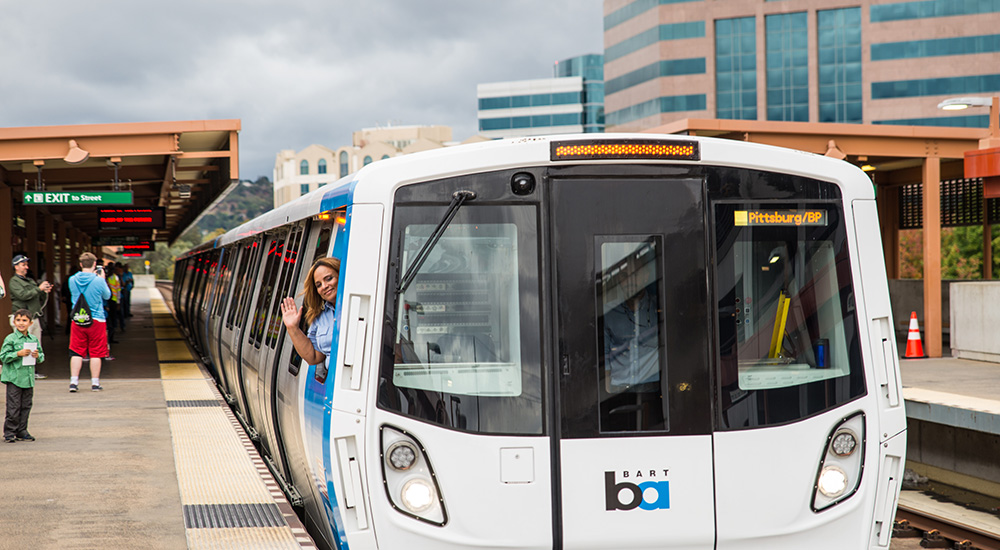
A New Era Begins
BART's second generation of train cars went into service in January 2018 and are ready to take you on a quieter, cooler, and more comfortable ride. The new cars will help relieve crowding on the BART system. Here are some tips to help you navigate the Fleet of the Future:
- Is that my train? Exterior digital signs on the side and front of the train show the train destination and line color.
- Where to hold? Can’t reach the overhead bars? Try an overhead strap or a vertical pole near any end door.
- Where am I? See digital display near the door for next stop and map with “You Are Here” bubble, glance at the LED sign at end of car, or listen for announcement.
- Priority seats? Notice the green priority seats on your left as you enter the train. Please yield to people with disabilities, seniors, and pregnant people.
- Where's the hearing loop? The center of each car has a hearing loop system for riders who use hearing aids or cochlear implants. Consult your audiologist for optimal device settings.
- Luggage? Put carry-ons under the new, higher seats, keep larger luggage close to you, and please don’t forget them when you exit.
- Sustainable? Aluminum bodies are lightweight, energy efficient, and recyclable. LED lights and regenerative brakes help save energy too.
- Are you prepared? Find evacuation info posted at the ends of each car, emergency features shown with red signs, intercoms near each door area, and security cameras throughout.
Accessibility Tips for the Fleet of the Future
Train Destination

As the train pulls in, you may notice digital signs on the side and front of the train. These signs use high-contrast amber text to show the train destination and a blue, red, orange, yellow, or green block of color to indicate the route of the train, using the same colors as the BART system map. BART will also continue to display train destinations on the electronic signs above the platform and via audio announcements.
Navigating the System
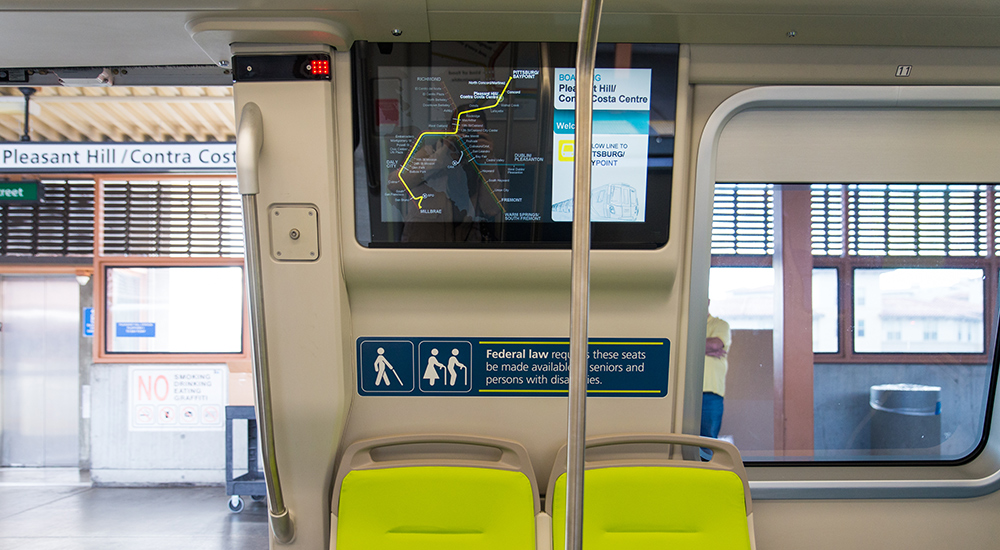
Once onboard, check out the digital screen next to each side door. It has a dynamic system map and a “You Are Here” bubble that shows your train’s current position. The righthand side of the screen shows next stop information and customer service messages. You can also see next stop information on an overhead digital sign at the end of the car or hear it via new automated announcements.
More Priority Seats
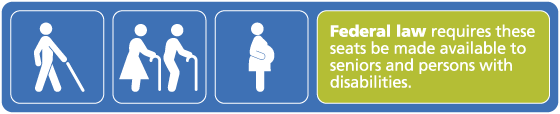
Notice the green priority seats on your left as you enter the train. BART asks passengers to yield these seats to people with disabilities, seniors, and those who are pregnant. With the addition of the third door, the new trains have approximately 50% more priority seating.
More Doors
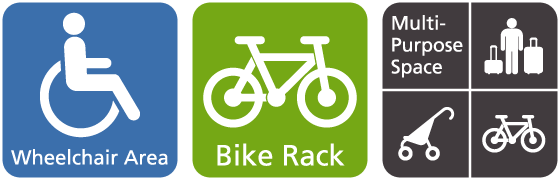
New trains have 50% more doors for easier boarding and exiting. Decals on the train exterior mark doors that have wheelchair areas, multipurpose space, and bike areas. Note that the location of the first and third door on each car will align with existing black tiles or door markers on the platform, and middle door markers are being added, which are the locations with extra area for passengers with wheelchairs.
Tactile Directional Bars
Blind or low-vision customers may continue to use existing “directional bars” at the center of the platform to identify a boarding location. At these locations, customers who are blind or low vision can board the first or third door of the new cars (Middle door locations do not yet have directional bars. BART plans to seek input from the BART Accessibility Task Force on how best to mark these additional locations for blind customers at a future date when all the train cars have a middle door). When boarding, turn left for the priority seats or grab the floor-to-ceiling pole that is straight ahead.
Traveling Together
The two wheelchair areas in each car are located near the middle door to make it easier for passengers who use wheelchairs to travel together. Note that there are no floor-to-ceiling poles in this area to provide maximum accessibility for customers who use wheelchairs. Wheelchair areas are marked on the floor with the international disability symbol.
Different Riders, Different Needs

BART knows that different riders have different needs. Seat back handles and vertical poles help riders stand up or lower themselves into the new, higher seats. These new seats have more room underneath for service animals or carry-on luggage. Overhead straps are available to support standing passengers. And vertical bars and floor-to-ceiling poles provide a place to hold on to as the train starts or stops for passengers who are unable to reach overhead straps.
Assisted Listening Hearing Loop
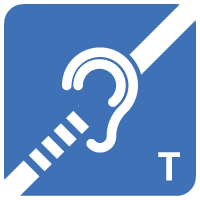
The center area of each car has a hearing loop system (indicated by a decal on the train interior) for riders who use hearing aids or cochlear implants. The range of this system covers approximately the center one-third of the train car. This system is one of the first of its kind in a moving public transit vehicle. Please consult your audiologist for optimal device settings.
Emergency Information

Evacuation information is posted at the ends of each car. In the event of an evacuation, the train operator will make an announcement, and information may also appear on the digital displays. Emergency features, located throughout the car, are indicated by red signs that glow in the dark. Please note the location of emergency features, such as fire extinguishers and ladders near car ends, and manual door release handles and intercoms near each door area.
Digital cameras onboard all cars help deter crime, but alert riders are always the best defense. Please report any suspicious packages or activity to BART PD: (510) 464-7000 or through the BART Watch App available for your mobile device.
Bike Space
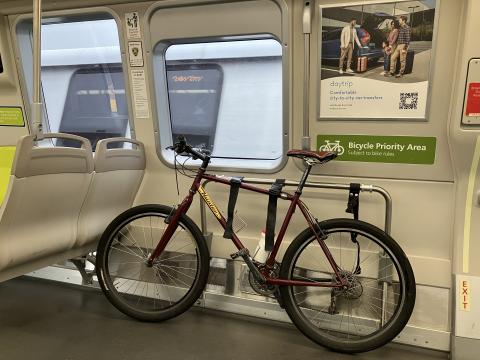
There are two bike areas on each new Fleet of the Future train car, the same as on BART’s older legacy cars. Each bike area has a horizontal leaning bar and strap that bicyclists can use to stabilize their bikes. BART selected this leaning bar option instead of bike racks based on bicyclist preference from a comprehensive survey.
The bike space will also accommodate more standing passengers, luggage, and strollers when not used by bikes. A decal on the wall notes it is a bike-priority area.

Meet the Fleet: An In-depth Look at New Car Features
Check out articles on the Fleet of the Future:
What it takes to deliver BART’s Fleet of the Future cars
Final car of the original Fleet of the Future contract now ready for service
Fleet of the Future now projected to come in hundreds of millions of dollars under budget
BART awarded key state grant to fund more Fleet of the Future cars
New BART wheel tech shushes screeching rails
Fleet of the Future receives rave reviews from riders
Onsite testing begins for BART’s first new train car
Meet the Fleet: BART's new car arrives
Meet the Fleet: Passenger information systems get a big upgrade on new trains
Meet the Fleet: Improved climate control highly anticipated on new trains
Meet the Fleet: New train car gets ready to head West
Meet the Fleet: All about the seats, a firsthand report
PDF Brochures
Accessibility | Sustainability
Do you have a question about the Fleet of the Future? We have answers to some of the most common questions here.