
Help BART protect the bay: Only rain down the drain!
BART is doing its part to prevent stormwater pollution.
Stormwater is runoff generated when rain flows over land or paved surfaces without soaking into the ground. The runoff can pick up harmful pollutants like trash, chemicals, and sediment, which flow into storm drains connected to streams, creeks, and eventually to the San Francisco Bay.
Trash
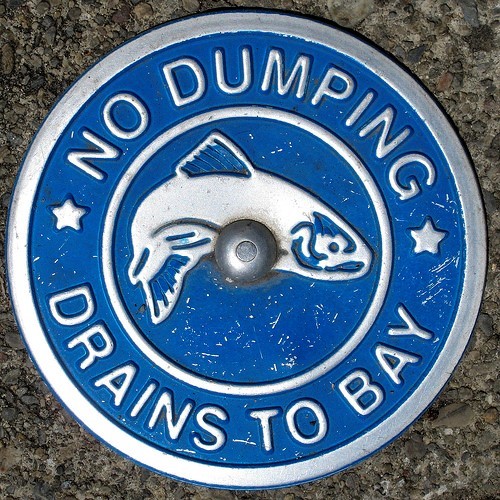
Trash is a major stormwater pollutant in California. Stormwater flows to the bay untreated and unfiltered; therefore, trash discarded on land frequently makes its way down the drain into the bay and eventually the ocean.
Types of trash commonly found in waterways include cigarette butts, paper, fast food containers, plastic bags, cans, and bottles.
Cars
Cars are another major source of water pollution in the Bay Area. Leaked fluids, like oil, copper from brake pads, and other vehicle pollutants, end up on our roads. When it rains, these pollutants are washed into storm drains that lead directly to the San Francisco Bay, exposing humans, birds, fish, and other wildlife.
Keeping cars off the road and our waterways cleaner is one more environmental benefit BART offers to riders and the Bay Area.
What BART Riders Can Do
Put Litter in its Place
Dispose of waste in the garbage and recycling receptacles provided by BART in our stations and parking lots. Avoid disposable cups by using reusable containers like travel mugs.
Put the Brakes on Stormwater Pollution
If you drive to BART, ensure your car isn’t leaking. Regular tune ups and leak inspections can prevent leaks.
Report Stormwater Issues
If you see a problem with overflowing trash cans or dumpsters or a leak of any kind at a BART station, please help protect our environmental and report it to BART Customer Services by completing the form at bart.gov/contact.
What BART is Doing
- BART has installed storm drain markers to inform the public that what goes down that drain flows to the bay.
- BART cleans parking lots and landscape areas to remove trash and pollutants.
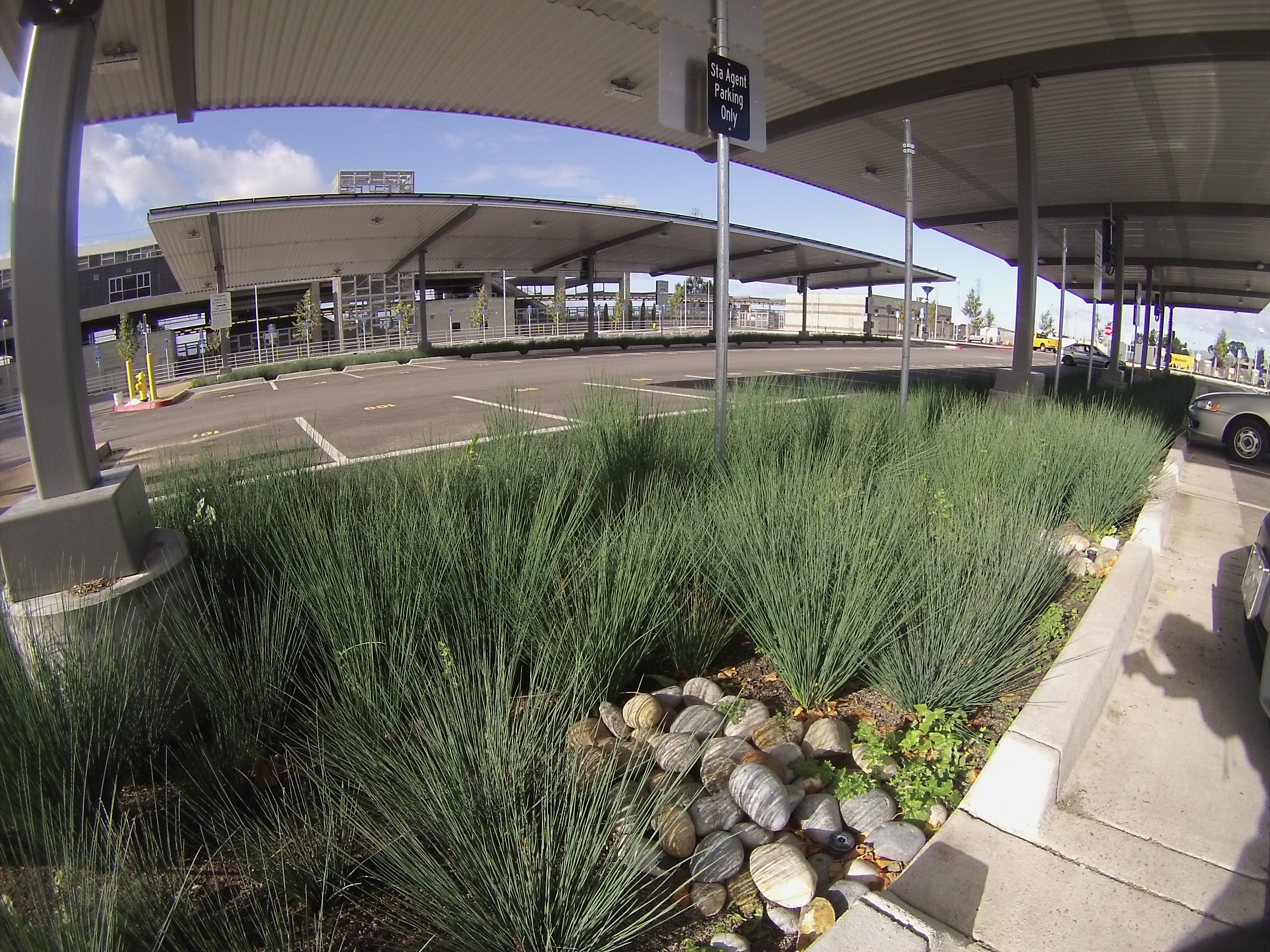
- BART has moved towards low-impact development (LID) as a standard practice, which is an approach to land development that works with nature to manage stormwater as close to the source as possible.
- BART uses bioretention areas (depressed planting areas with specialized soil) to remove pollutants from our parking facilities at stations, including Antioch, Lafayette, North Berkeley, Richmond, El Cerrito Del Norte, Concord, Millbrae, Balboa, San Bruno, and Warm Springs.
People who choose BART instead of driving are helping keep our waterways and the bay clean. We all play a role in keeping our waterways clean, safe, and healthy.