
Top accomplishments of 2025 usher in the New BART
2025 will be remembered as a year when BART transformed the rider experience through a series of innovations focused on safety and convenience. The emphasis on implementing and maintaining the Safe and Clean Plan has been key to delivering what we are calling the New BART. These are the 10 accomplishments we are most proud of.
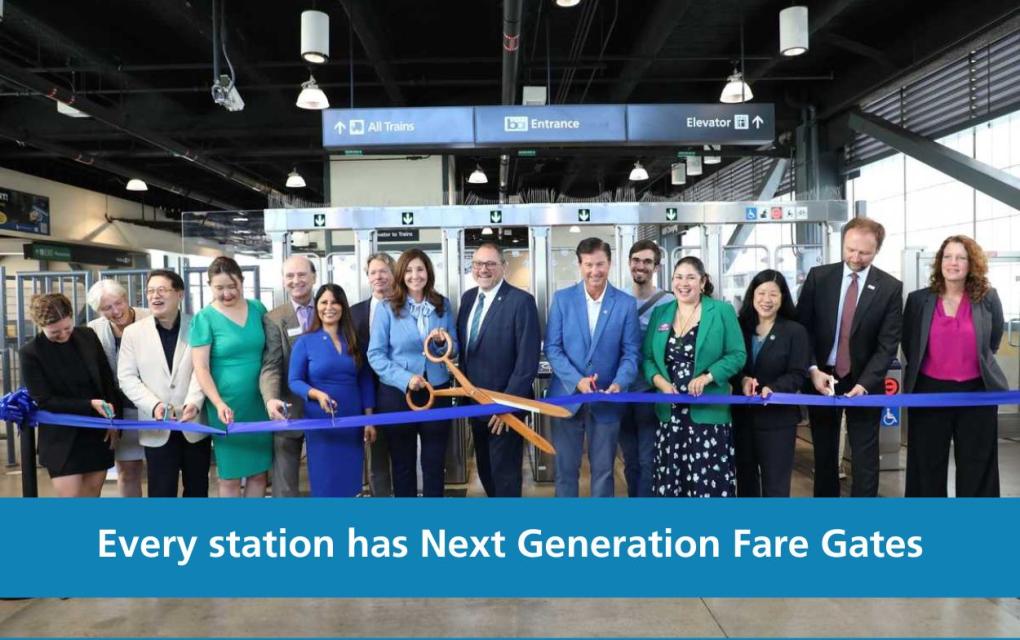
1. Next Generation Fare Gates installed at all 50 stations
BART promised to have the state-of-the-art gates in all stations by the end of 2025, but staff beat that deadline by more than four months when the final gates were installed in August. Next Generation Fare Gates have changed the feel and appearance of stations and have proven to be a strong deterrent against fare evasion. The number of riders who say they saw someone fare evade on their trip dropped 59% in the last year.
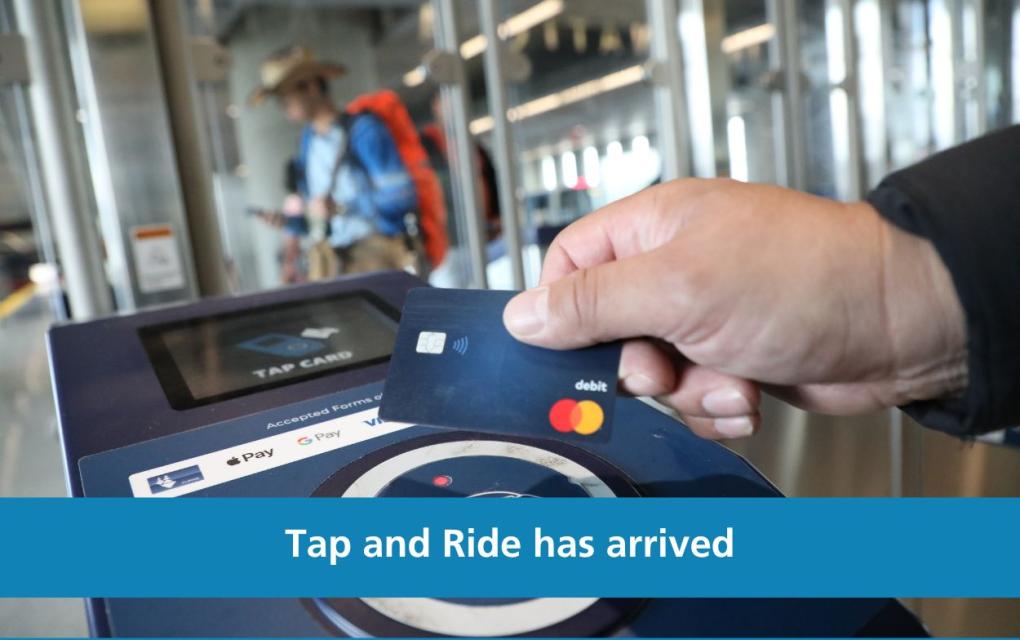
2. The arrival of Tap and Ride
August also marked the arrival of Tap and Ride, which provides riders the ability to pay for adult fares at BART fare gates using physical contactless credit or debit cards or mobile payment methods, such as Apple Pay and Google Pay. BART became the first Bay Area transit agency to offer this convenience. Other Bay Area transit agencies joined BART in December. Tap and Ride is a critical step towards the implementation of Next Generation Clipper, which will offer additional benefits, including free or discounted transfers.
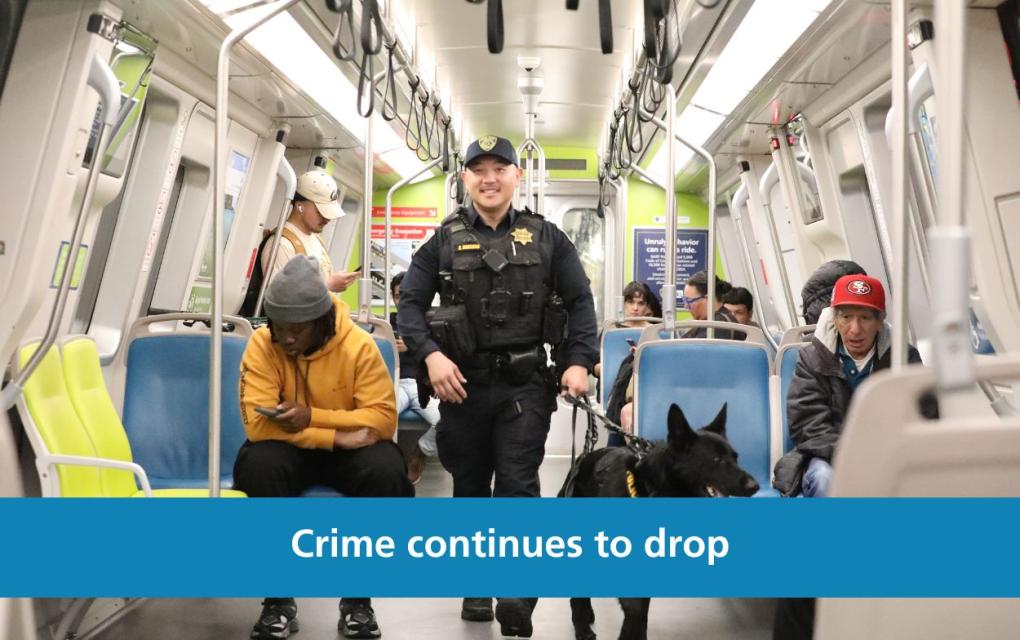
3. Big decreases in violent and property crime
The crime rate fell consistently throughout 2025 as BART delivered on its promise to put rider safety first. Through November, violent crime was down 31% while property crimes were down 44% compared with the same period last year. These improvements came as BART PD continued its focus on maintaining a highly visible presence across the system and as new fare gates helped discourage unwanted behavior.
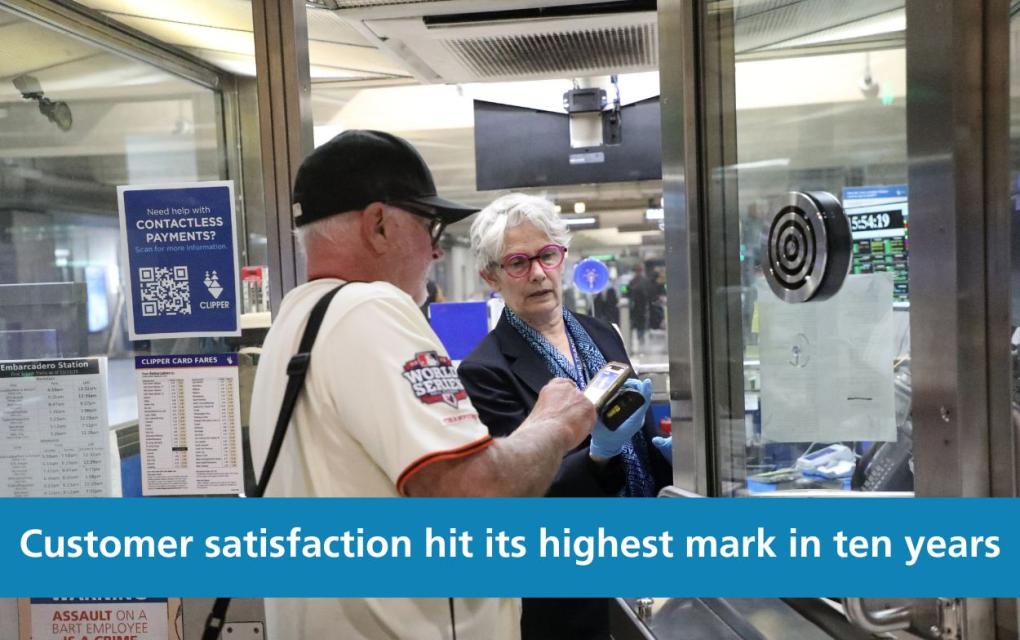
4. More riders said BART is doing a good job
BART’s customer satisfaction rate reached 89% in the latest Quarterly Performance Report, up from 83% from the same period a year ago. In February, satisfaction with BART hit its highest mark in ten years in BART’s biannual Customer Satisfaction Survey. 80% of survey respondents said they would recommend BART to a friend or out-of-town visitor.
5. BART’s safety and cleanliness gains boosted ridership
BART ridership was on a steady upward trajectory throughout 2025. In October, BART posted its highest weekday average ridership since 2020. Ridership was 10.7% higher than October 2024, with an average of nearly 200,000 weekday riders. In total, passengers took more than 5.3 million trips during the month. On Saturday, October 18, BART recorded 150,000 trips, the highest Saturday ridership in five years.
6. Big Sync saved riders time
BART and partner transit agencies continued their collaboration by syncing schedules to make riding transit faster. The Big Sync saw agencies across the Bay Area update their schedules at the same time in mid-January and mid-August to improve transfer reliability and timing. The improved schedule coordination means some riders save up to 20 minutes per trip. And BART updated its digital Passenger Information System on train car screens to show major transit transfer connections at each stop. BART also advanced unified maps and signs through the Regional Mapping and Wayfinding project with new directional signs at Powell Street Station to help guide riders to BART and Muni services.
7. Fleet of the Future reaches 1,000 cars
A huge improvement for riders was BART’s transition to filling its entire schedule with only Fleet of the Future trains. BART received its 1,000th Fleet of the Future car from manufacturer Alstom in July. The project is on track to be completed in 2026 when BART accepts the final 1,129th car. It’s expected to come in nearly $400 million under budget thanks to a fast-paced production and delivery schedule as well as BART’s decision to bring more of the engineering work in-house. Investing in a larger fleet sets BART up to serve the region for decades to come.
8. BART earned high marks from the Federal Transit Administration
A review by the Federal Transit Administration (FTA) found BART is meeting standards in nearly two dozen categories, including financial management, ability to utilize federal grants, and project implementation. This latest oversight is based on the FTA’s examination of a sample of BART’s award management and program implementation practices.
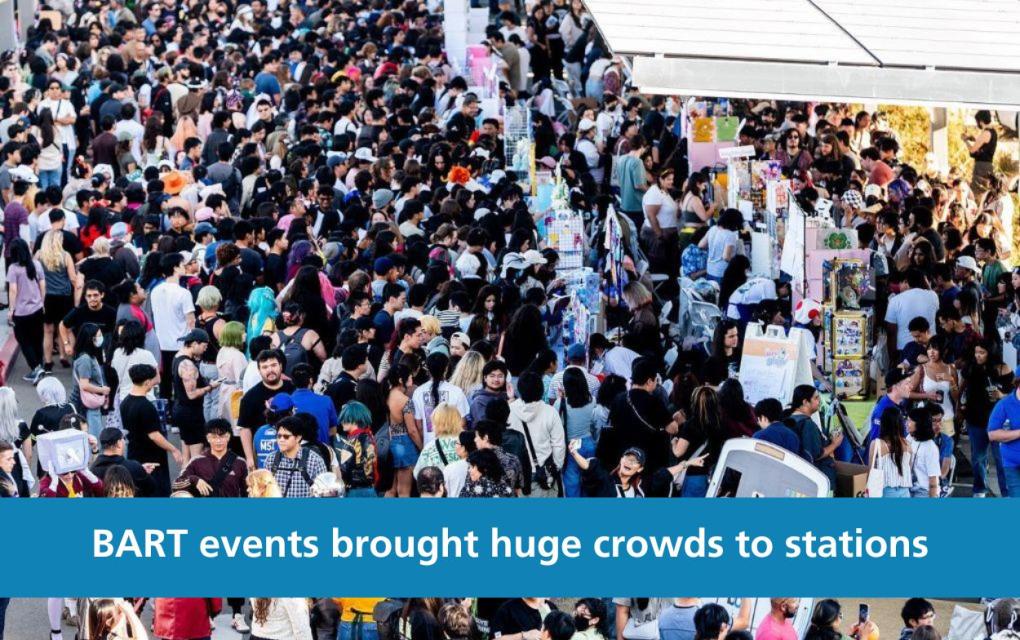
9. BART brought stations to life with huge public events
2025 was an incredible year for public events that highlighted BART’s importance to the communities we serve. In February, BART hosted Valentraine, the first-ever speed dating/friend making event on a moving BART train, and a May the Fourth-themed train ride. Over the summer, BART hosted an Under the Stars Family Movie Night at Concord Station, where we screened never-before-seen footage from a Train Operator’s point of view along all 131 miles of the BART System. Then, in September, the Let’s Glow! BART Anime Festival brought thousands of people to Warm Springs/South Fremont Station. Fall offered a music festival in the North Berkeley parking lot as well as a special Halloween-decorated train ride for families. These events make transit more inviting and celebrate how BART is a welcoming and safe way to experience the Bay Area. Keep a lookout for what we have planned for 2026!
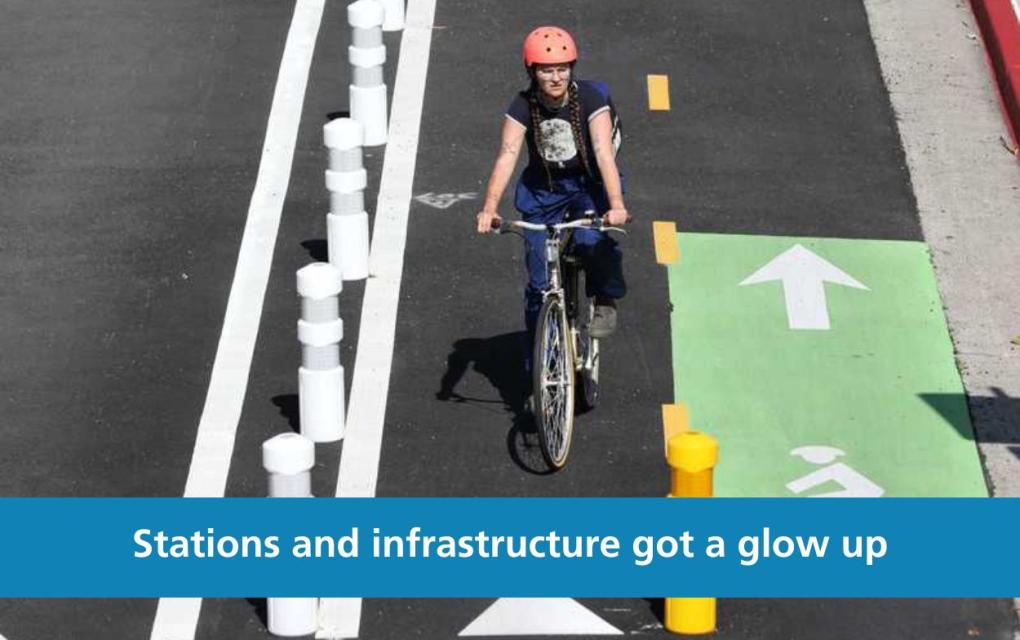
10. Improved stations and rebuilt infrastructure
Riders saw the differences as BART revitalized stations and replaced decades-old core infrastructure. BART completed a transformation that made it easier for riders to walk and bike to North Berkeley Station by widening the Ohlone Greenway, building new two-way cycle tracks, and installing more bike lockers, among other upgrades. BART has now installed 19 canopies to better protect escalators in downtown San Francisco. And the Civic Center Street Substation project was completed, boosting system reliability and expanding energy capacity for long-term operations.
You can read more about BART’s work to rebuild the backbone of the system in the latest Measure RR Annual Report. Measure RR is a $3.5 billion bond measure to replace BART’s aging infrastructure that was approved by voters in Alameda, Contra Costa, and San Francisco counties in 2016.