
Search Results
BART board approves new financial organizational structure recommended by Inspector General
BART is moving forward with changes to its financial operations to improve efficiency and transparency with the creation of a Chief Financial Officer (CFO) reporting to the General Manager.
This new financial structure brings together the functions from the Office of the Controller-Treasurer, who has traditionally reported to the BART Board of Directors, and the Performance & Budget Office, who reports to the General Manager, into one group, reporting to a new CFO position.
The CFO will have the authority to implement strategic business changes to streamline BART’s financial forecasting, budgeting, and reporting of financial data. The new structure will create greater accountability under the General Manager to realize long-term cost savings. Creating a CFO position requires state legislation to amend the BART Act.
“This is a significant reform to show we are committed to using our limited financial resources in the most efficient manner possible,” said BART Board President Janice Li. “A new CFO will help drive a culture of financial discipline as we navigate economic uncertainty.”
Last year, the Board of Directors, at the recommendation of the Office of the Inspector General, approved modifying BART’s organizational structure in an effort to focus on improving efficiency and financial operations.
“This is a tremendous step for BART and reflects how well the OIG recommendation for a CFO structure was embraced,” said Claudette Biemeret, BART’s Inspector General. “I applaud the BART Board and Executive Leadership for taking on this change. CFO leadership is crucial to transparency and accountability in the use of public funds.”
In response, BART’s General Manager hired a consulting team to develop a roadmap for implementing the financial organization structure. The BART Board of Directors approved the new structure at its December 7 meeting and BART will move quickly to identify and onboard a new CFO role.
New train posters emphasize unruly behavior is not welcome on BART
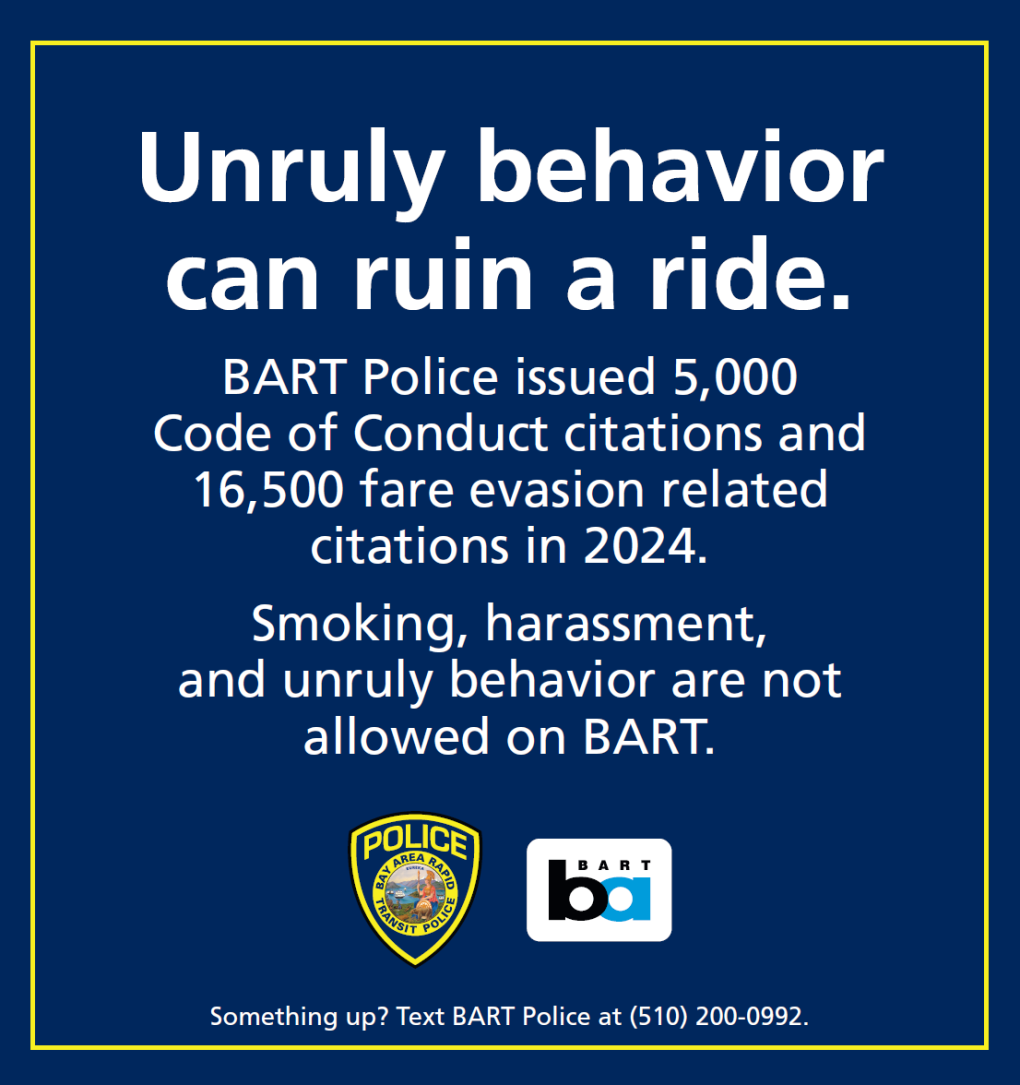
Amid an overall decline in crime and an increase in BART PD’s visible safety presence BART is posting 400 posters inside its Fleet of the Future train cars targeting unwanted activities such as harassment, smoking, and unruly behavior. The new signs proclaim, “Unruly behavior can ruin a ride.” They back up BART’s commitment to a safe ride by emphasizing BART PD in 2024 issued 5,000 Code of Conduct citations and 16,500 fare evasion-related citations.
“These new posters are a way for us to tell our riders that we hear their concerns about safety and are enforcing the Code of Conduct,” said BART Police Chief Kevin Franklin. “The posters are helpful, but the real work in making BART safer is being done on a daily basis by both our sworn and non-sworn staff who are helping us deliver on our pledge to double our visible presence in the system.”
BART is continuing to implement its Safe and Clean Plan as it continues to welcome riders back to the system. Crime was down 17% in 2024 even as BART ridership increased by 2.6 million trips from the previous year.
BART’s commitment to rider safety includes the installation of Next Generation Fare Gates at all 50 stations by the end of this year. The new gates have already been installed at 27 stations and are making a difference in deterring fare evasion. The public is noticing the difference already with a nearly one-third decline in the number of riders who report seeing fare evasion during their trip.
Anyone who sees unruly behavior on BART can text BART PD at 510-200-0992. You can also download the free BART Watch app, which allows you to send a discreet text description of what you’re seeing along with a photo.
San Mateo County BART stations get $12 million dollar glow-up
The BART Board of Directors has approved nearly $12 million in capital investments for San Mateo County BART stations to improve the customer experience and to ensure the station infrastructure remains welcoming and in a state of good repair. The package of upgrades is part of BART’s Station Glow-Up Strategy, focused on sprucing up stations and parking lots to improve ambience and enhance safety.
The San Mateo County effort includes new LED lighting to improve safety and brightness; roof replacement and gutter work to address water intrusion that impacts employees, riders, and BART equipment; deep cleaning to scrub away bird droppings; landscaping; the removal of metal framed bus shelters with panels that were prone to continuous vandalism and graffiti; and other work that will improve conditions and the appearance of BART property.
This past year, BART has taken additional action to improve San Mateo County stations with deep cleaning and permanently adding two additional janitorial staff to increase cleaning in the county. BART crews repaired floors, benches, and gutters, added fresh paint to key areas, and removed obsolete equipment such as old phone booths and aging artwork at Colma Station that could not be repaired or salvaged following a review by a conservation specialists and structural engineers. Millbrae Station is currently getting new LED lighting with the work to be completed this month. In September, BART celebrated the installation of new fare gates at all San Mateo County stations, marking a major milestone in ongoing investments at the county's six stations.
Details of the upcoming $12 million in planned improvements:
- Colma Station will get new LED lighting, roof upgrades, and dated bus shelter removal.
- South San Francisco Station will get LED lighting, roof upgrades and cleaning, gutter replacement, refurbished landscaping, and dated bus shelter removal.
- San Bruno Station will get new LED lighting, roof upgrades, specialized deep cleaning of hard-to-reach areas, and safety netting replacement to protect people from falling debris.
- Millbrae Station will get gutter and downspout repairs that will address water leaking in various areas such as the concourse and platform.
Work will begin in early 2026 and will be completed by the end of the year.
“Revitalizing these stations is part of what we like to call the new BART,” said BART Board President Mark Foley. “These upgrades will improve the functional use and aesthetics of our important San Mateo County stations while demonstrating our gratitude and commitment to our continued partnership with the county.”
BART is a critical piece of the transit network in San Mateo County, and San Mateo County riders are a key part of the BART system. BART carries approximately 25 percent of transit boardings among all operators in San Mateo County and 10 percent of all day boardings for BART originate in San Mateo County. On a typical weekday, BART runs 520 trains into and out of San Mateo County.
BART achieves highest quarterly Passenger On-Time Performance since early 2014
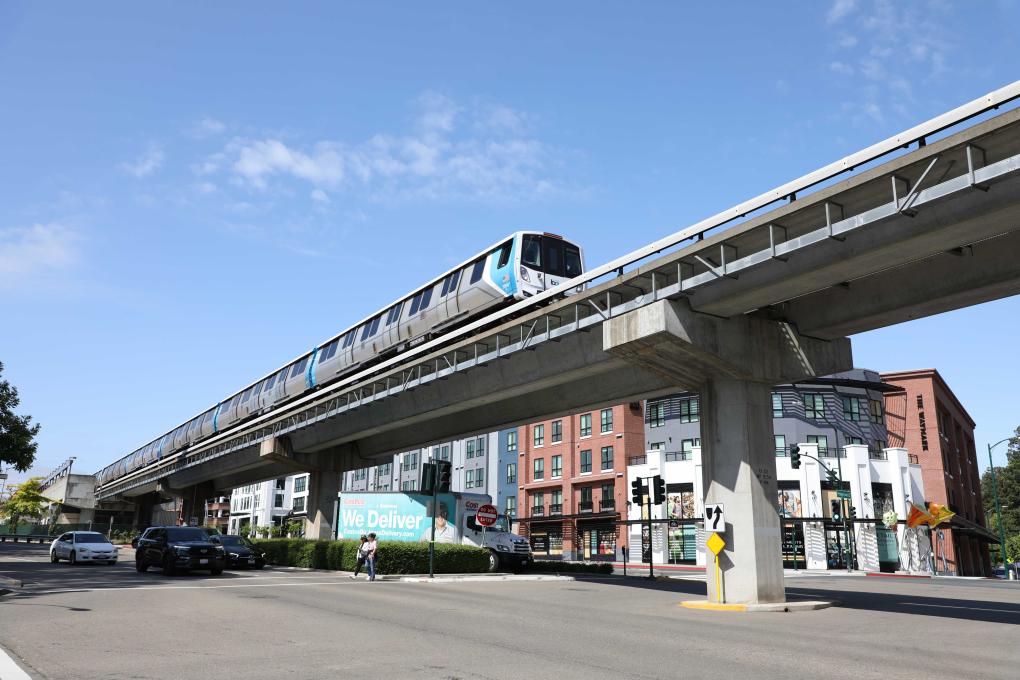
BART’s latest quarterly performance analysis finds BART achieved its highest quarterly Passenger On-Time Performance (94.4%) since early 2014, a significant milestone reflecting broad-based improvements across the system for several key indicators, including reliability, safety, and cleanliness. The report also shows March 2026 recorded the highest monthly Passenger On-Time Performance since August 2013. This metric measures the percentage of riders who reach their destination within a short time threshold of their expected arrival.
The Quarterly Performance Report (QPR) for the third quarter of Fiscal Year 2026 (January 1 to March 31, 2026) underlines BART’s tremendous improvements in service reliability, with March 2026 a standout month for overall performance. The month recorded BART’s lowest monthly delay count since late 2018 as well as the fewest train delays for any March since 2014, excluding the pandemic years when service was reduced (2020-2022).
These gains come as ridership grew 15% year-over-year to 14.6 million trips this past quarter, demonstrating BART's ongoing efforts are increasing rider confidence and strengthening the system financially.
BART’s QPRs are posted quarterly and track a number of performance indicators, such as operational metrics, passenger environment indicators, customer feedback, and crime. 2023 is used frequently for comparison in this article as BART's Safe and Clean Plan was enacted that year. The substantial improvements over the past three years are testament to its effectiveness.
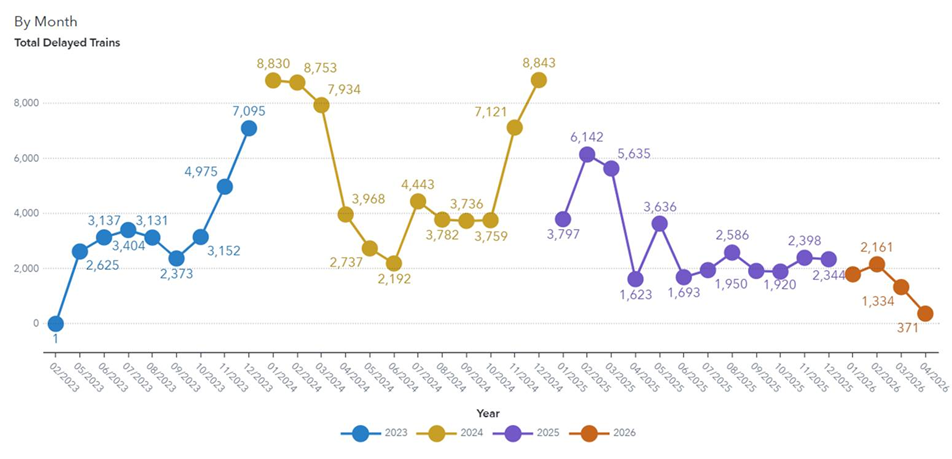
Graph demonstrating the significant decline in train delays for March 2026.
Customer On-Time Performance and Satisfaction
Customer On-Time Performance for FY26 Q3 was 94.4%. For comparison, in the third quarter of FY23, Customer On-Time performance was 81.2%.
Customer Satisfaction increased to 90% in FY26 Q3. In FY23 Q3, that metric was 70%. Customer complaints for FY26 Q3 dropped by nearly 26% from the previous quarter.
Station and train experience
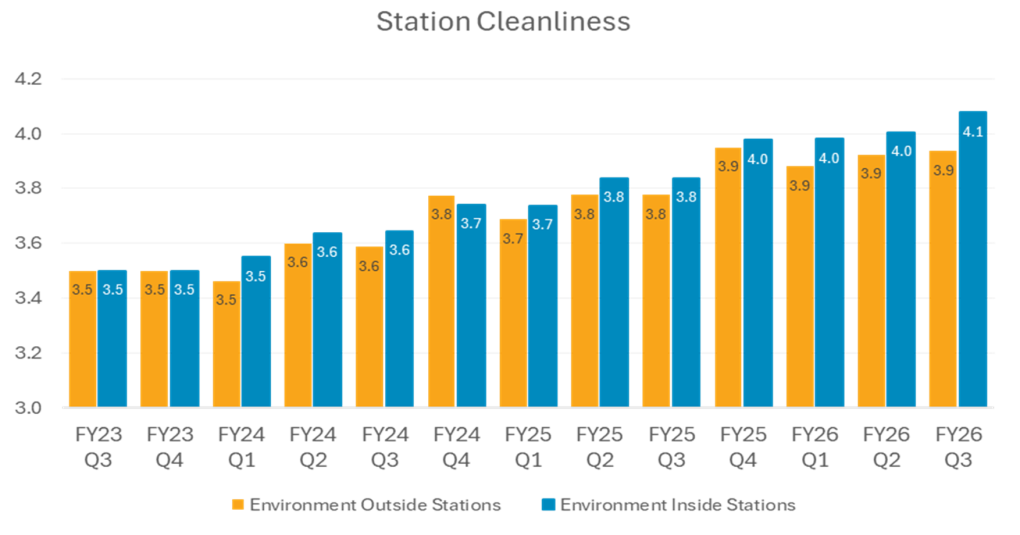
BART’s emphasis on enhancing system cleanliness and the overall customer experience is paying dividends. Passengers scored the experience onboard trains and inside stations 4.2 and 4.1 respectively (out of 5), the highest scores since BART updated its scoring metrics and scale in FY23 Q2.
BART’s new trains continue to be a major contributor to on-time performance and onboard experience. The new trains were designed to be easier and faster to clean and experience mechanical failures at a fraction of the rate of the retired legacy fleet, reducing disruptions and improving service consistency. Maintenance is more efficient and reliable on the new trains as well due to predictive diagnostics and standardized parts that are easier to procure than those of the five-decades-old legacy fleet. The legacy fleet was removed from the base schedule in September 2023.
Safety
Crime on BART dropped 42% in the past quarter over the previous year. Electronic robberies were down 90% in the past quarter, electronic thefts 68%, and auto burglaries 47%. Average response time to Priority-one incidents was just over 5 minutes, one of the fastest response times in the nation.
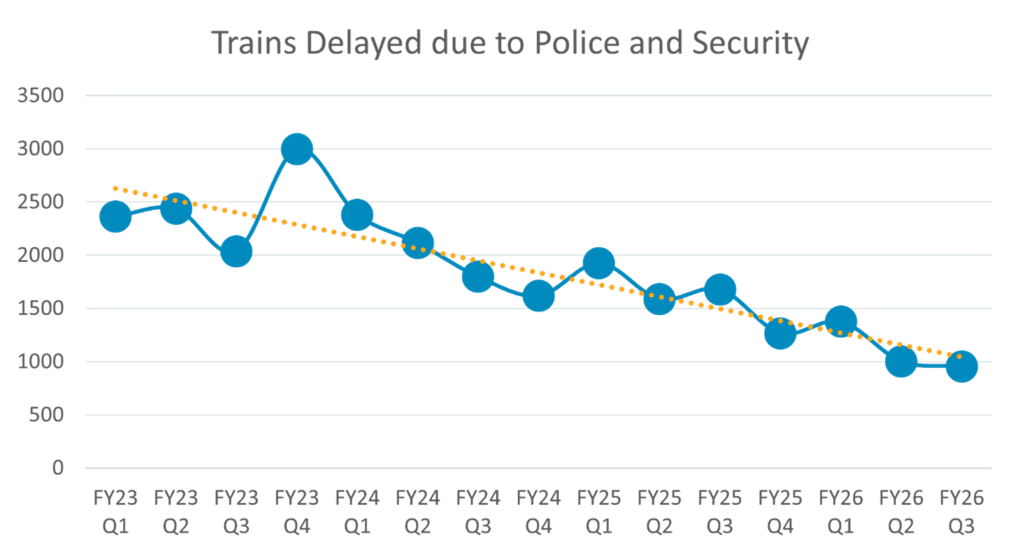
A decrease in crime leads to fewer delays due to police- and security-related incidents, which dropped to 955, compared to nearly 3,000 in 2023.
These improvements are testament to the hard work of BART PD and the effectiveness of BART's investment in initiatives and infrastructure that both increase safety and enhance the customer experience, including doubling the visible police presence on trains and in stations in 2023.
Sexual harassment on BART has also declined considerably. The percentage of riders who said they had experienced sexual harassment, a BART Code of Conduct violation, dropped by more than half – from 8% between October and December 2023 to 3.9% in January through March 2026. The timeline of the decline correlates with the installation of BART’s new fare gates.
Fare evasion
Fare evasion has dramatically decreased in the system. The percentage of riders who said they witnessed fare evasion was 10% in the last quarter, compared to a high of 25% in Fiscal Year 2024.
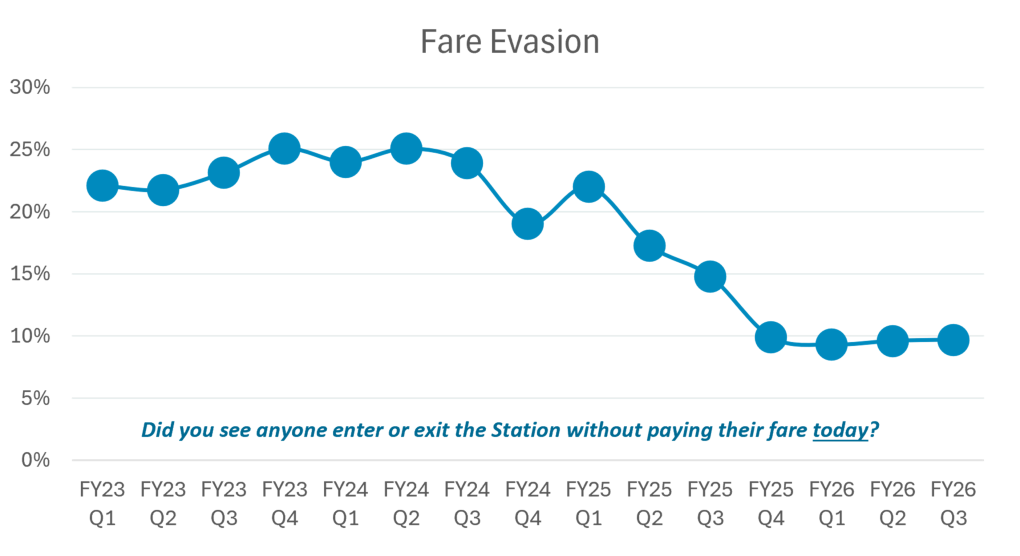
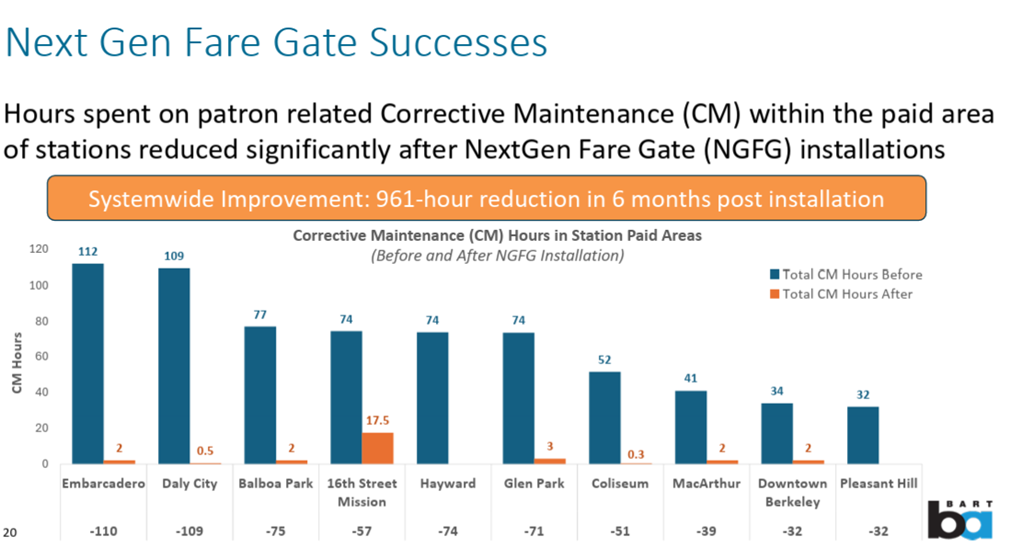
This drop follows the installation of 715 new fare gates systemwide, which have tall swing barriers that make it difficult for people to push through, hurdle over, or maneuver under. Early indications are that gates are responsible for revenue growing by about $10 million annually through reduced fare evasion. As the chart below shows, there was a 961-hour reduction in corrective maintenance hours (vandalism, graffiti, large clean-ups, broken things) in the six months post-installation.
Weather
BART has also seen major progress reducing weather-related delays – previously one of the biggest sources of delayed trains – thanks to smart engineering fixes.
By updating train car braking profile software and making slight changes to train speeds at some locations, BART no longer needs to run trains at reduced speeds when it rains, save for a few select locations near the ends of lines. As you can see in the below chart, weather-related slowdowns spiked during previous rainy seasons, but continue to decline with the updated software now in place.
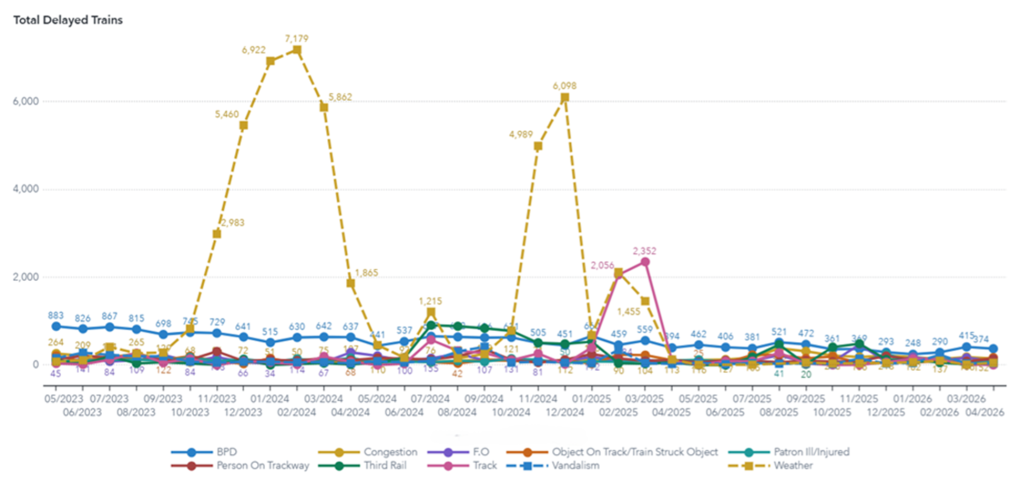
Graph showing total delayed trains and causes. Dashed yellow line represents weather-related delays.
Conclusion
These improvements are supporting rider confidence and strengthening the system financially.
“These big things aren’t just statistics; they are the foundation of our ridership recovery,” said BART Manager of Operations Reliability Ryan Rod, who analyzes and develops BART’s Quarterly Performance Reports and on-time performance data. “Because our riders are seeing a system that is cleaner, safer, and on time, they are coming back, proving that when we deliver on our promises, the region responds.”
At the same time, BART is investing in trackside upgrades, track replacement, and modern train control technology to make the system even more resilient. Future improvements, like the currently underway Communications-Based Train Control project, will contribute further reductions to the customer impact of disruptions, even when incidents occur.
Despite record post-pandemic ridership, fare revenue still falls short of what is needed to sustain BART operations. Even with continued growth, ridership alone is not enough to close the funding gap, and a new funding source is needed.
BART faces a structural deficit of $350M to $400M, driven by long-term shifts in commute patterns, including remote and hybrid work. BART balanced the FY26 budget with $35M in ongoing cuts and cost controls. The FY27 deficit is $376M. BART is taking a number of actions to reduce the shortfall, including more expense reductions, but will need help to completely close the gap. More on BART’s financial deficit here.
Construction project begins at Downtown Berkeley BART Station
Dear Customer: Starting Monday, April 5, 2010, crews will begin building a concession kiosk at the concourse level of the Downtown Berkeley Station. Construction will be limited to the fenced area of the concourse and you can expect mild construction-related noise. We expect to finish this project around the
BART runs on Sunday schedule for Thanksgiving 2016
Trains will run on a Sunday schedule on Thanksgiving, Thursday, November 24, 2016, with service beginning at approximately 8am. Parking will be free at all stations, however parking rules still apply. In anticipation of light ridership on the Friday after Thanksgiving, we will modify our schedule by
BART Board of Directors to hear budget outlook at meeting on Thursday, Feb. 25
The BART Board of Directors is scheduled to hear a presentation at its Thursday, February 25, meeting on the "pro forma" outlook for the next fiscal year (FY11), which begins July 1, 2010. The pro forma budget rolls over the current budget with existing service levels and programs, with updates for known
Engineers Week 2026: BART's engineers are transforming the future of transit
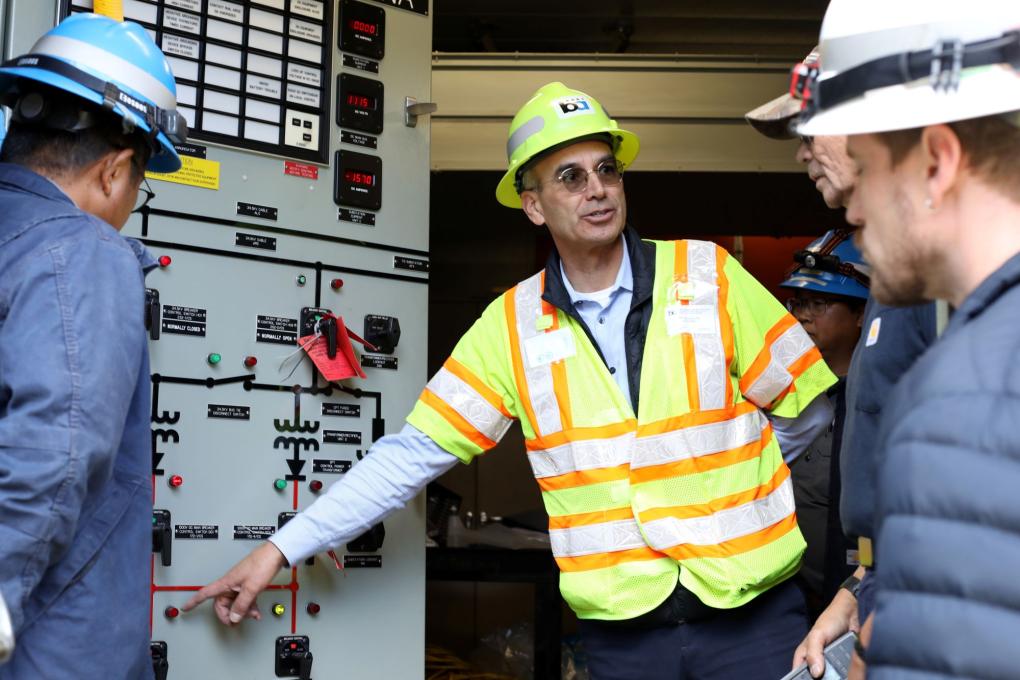
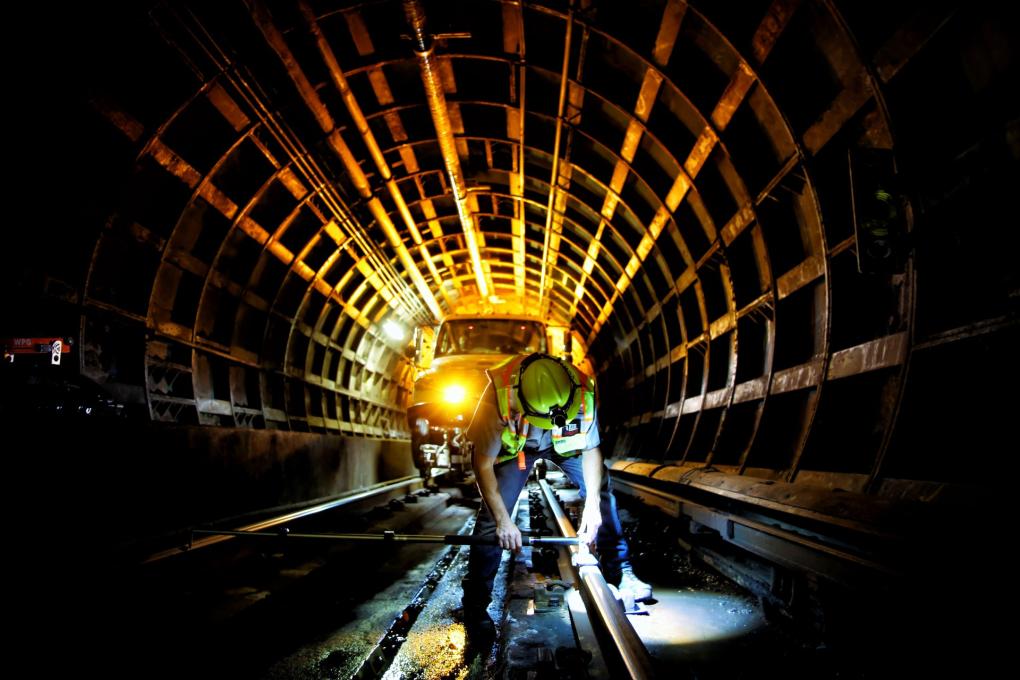
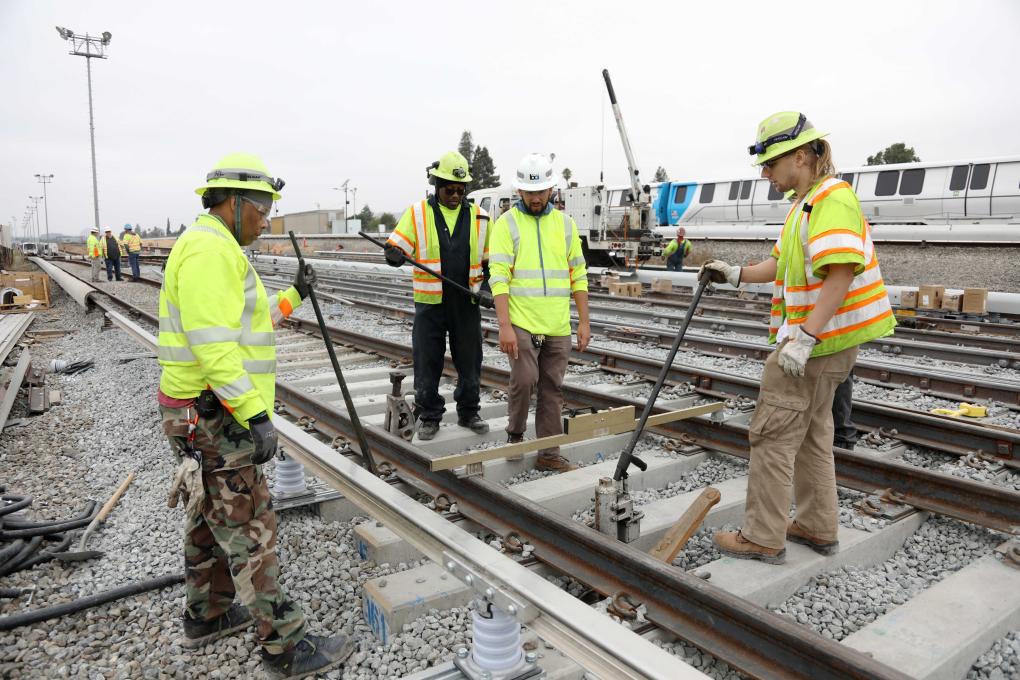
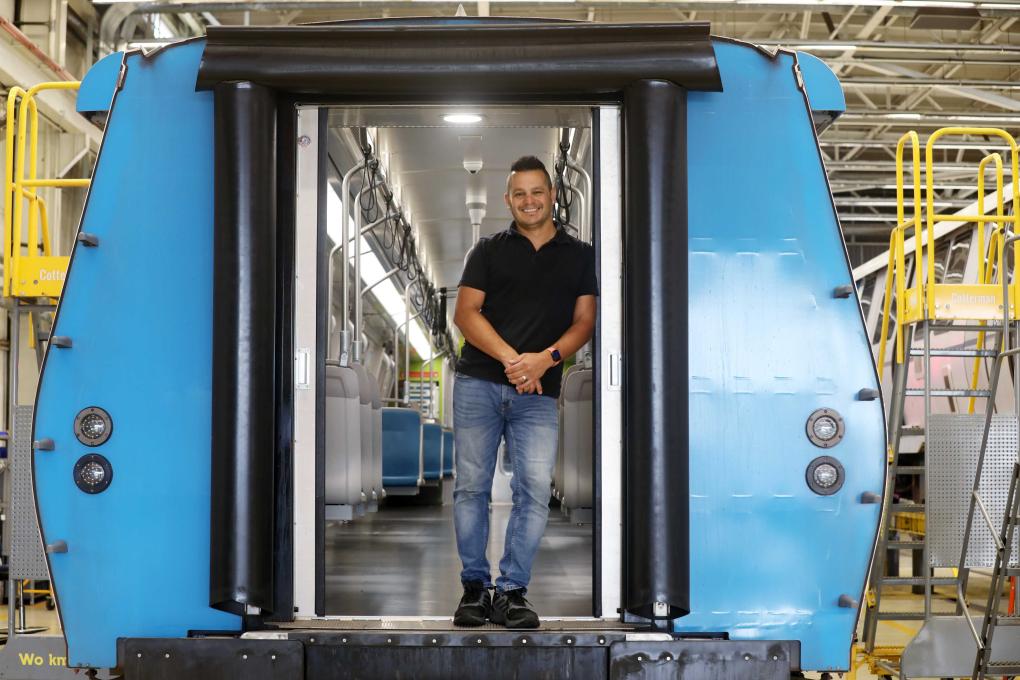
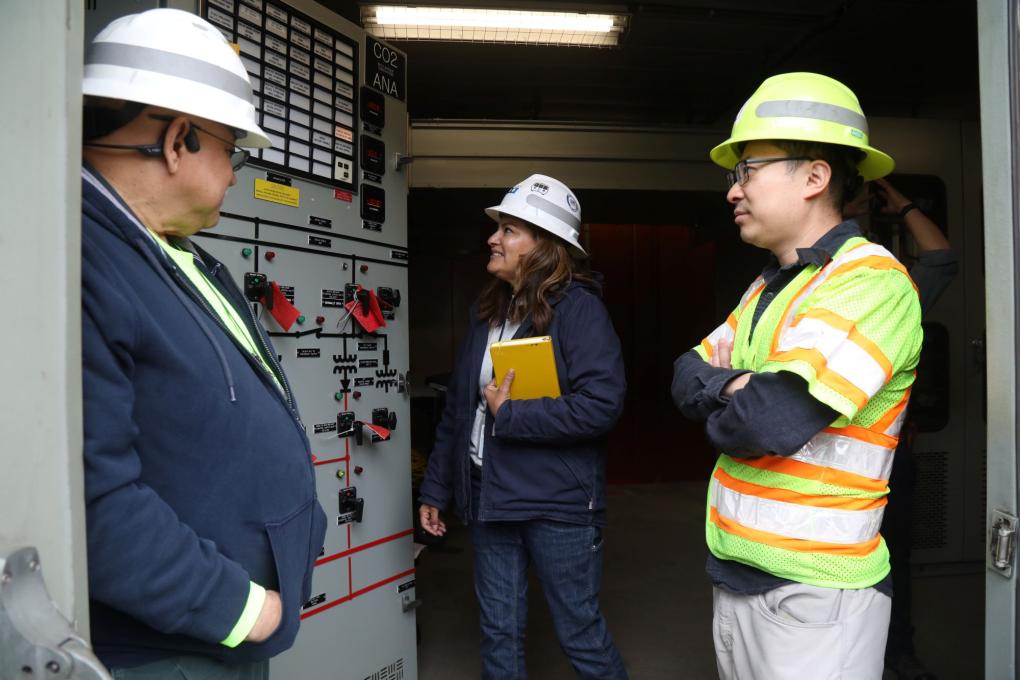
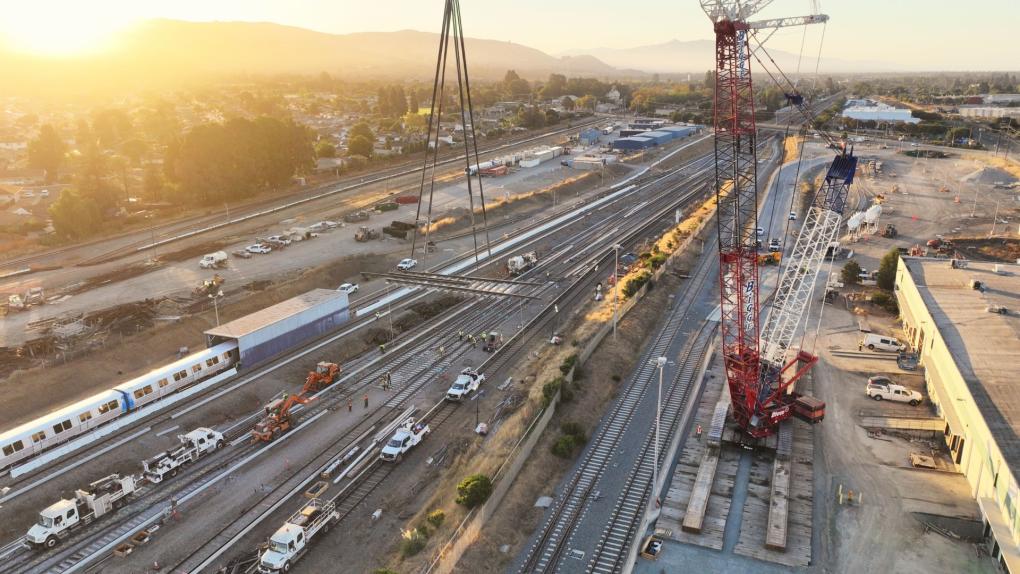

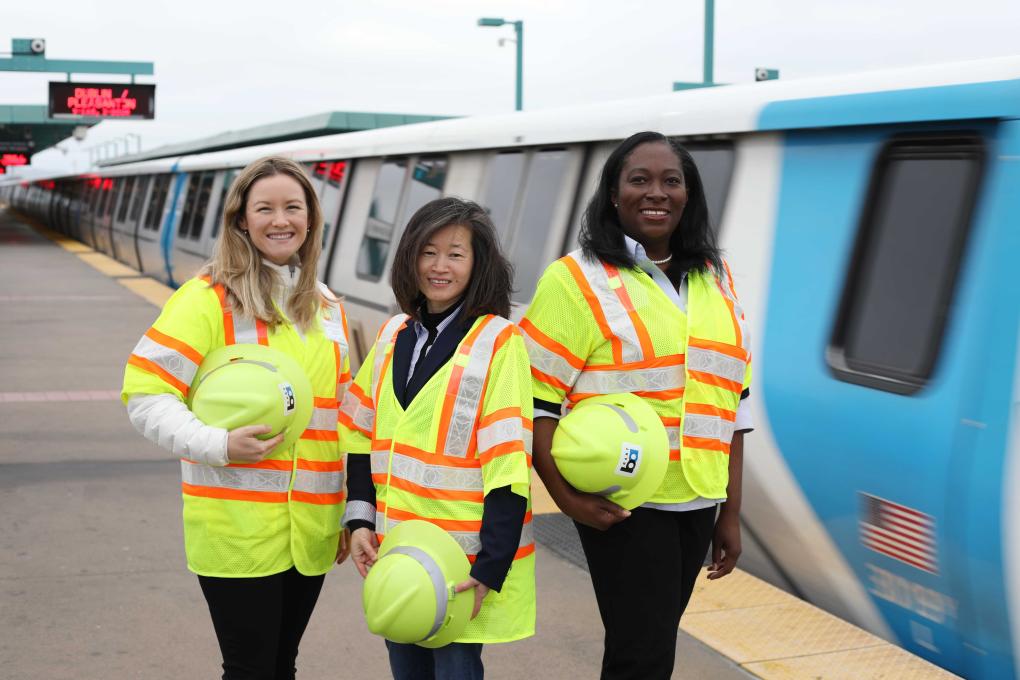
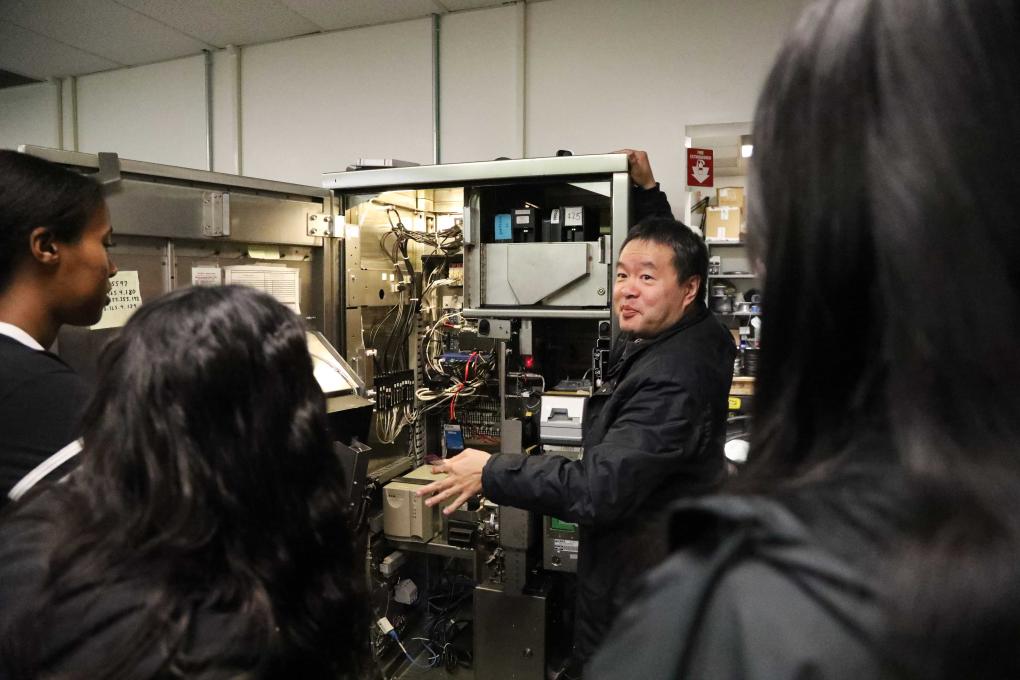
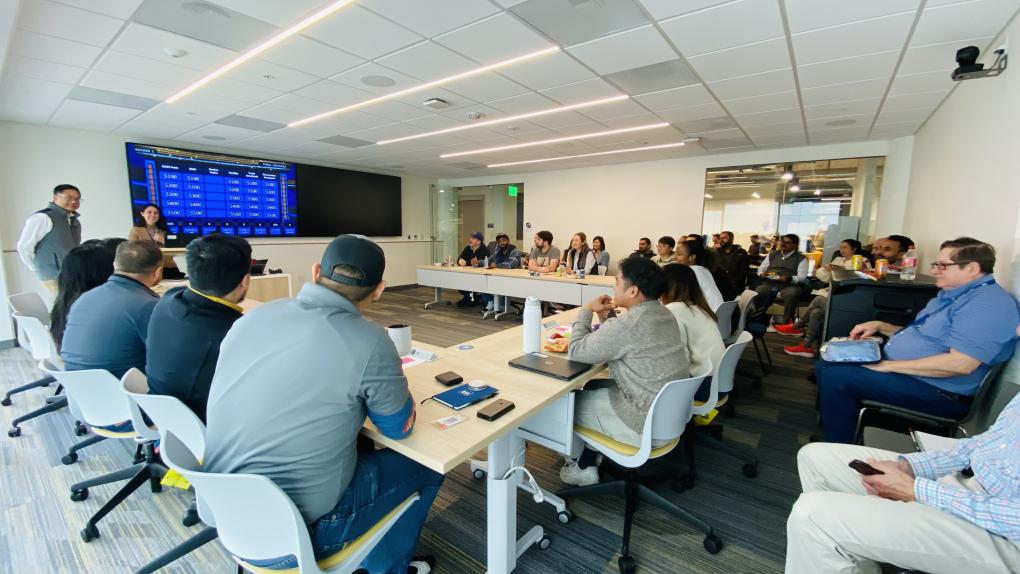
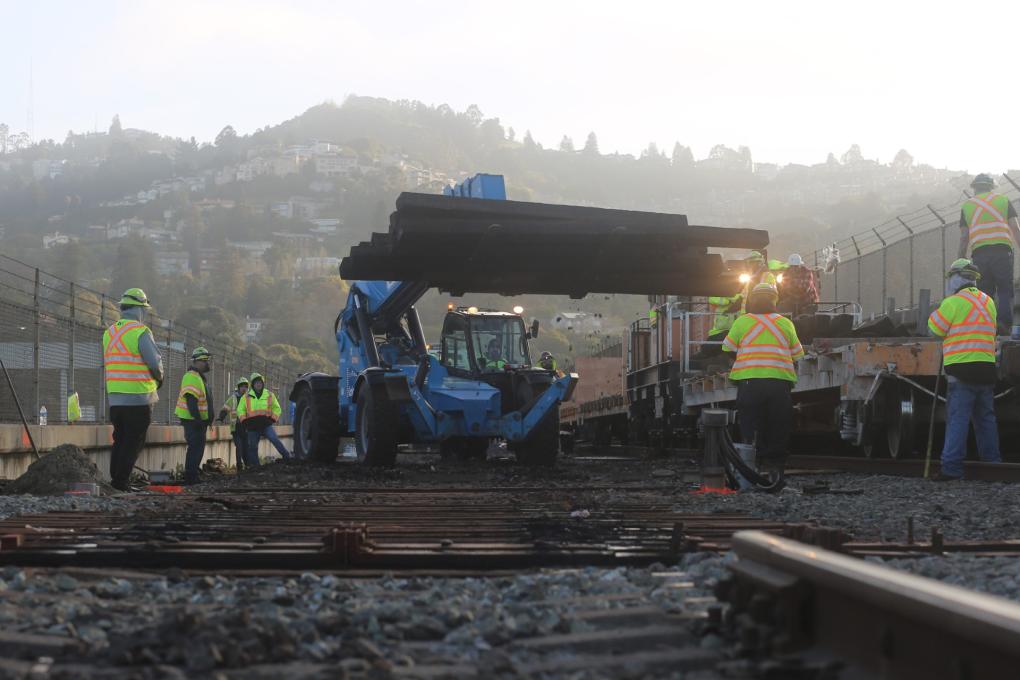
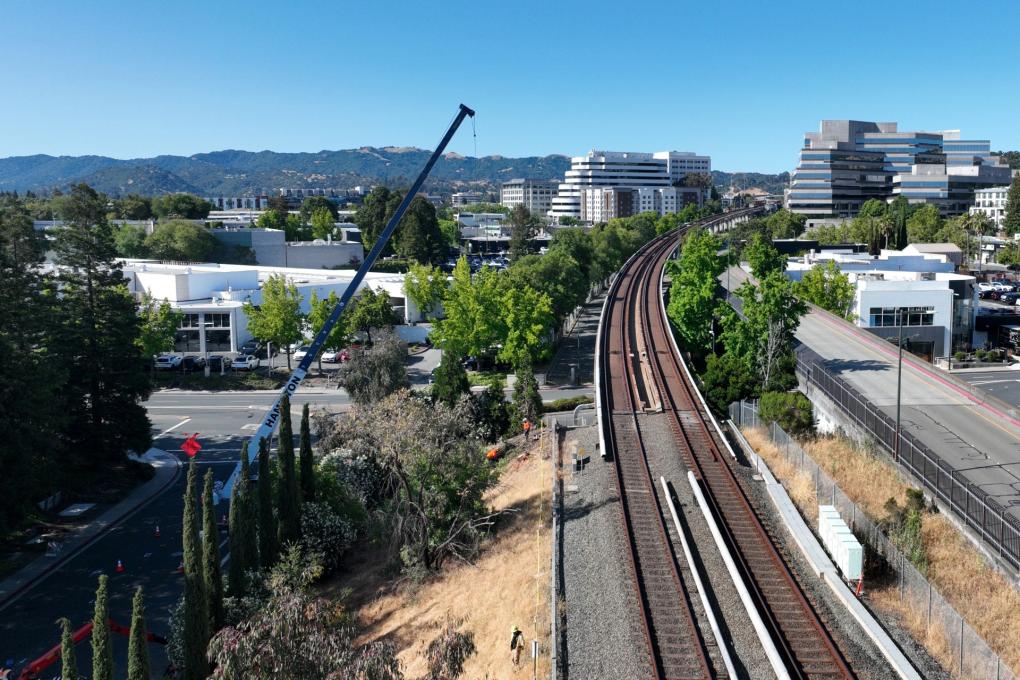

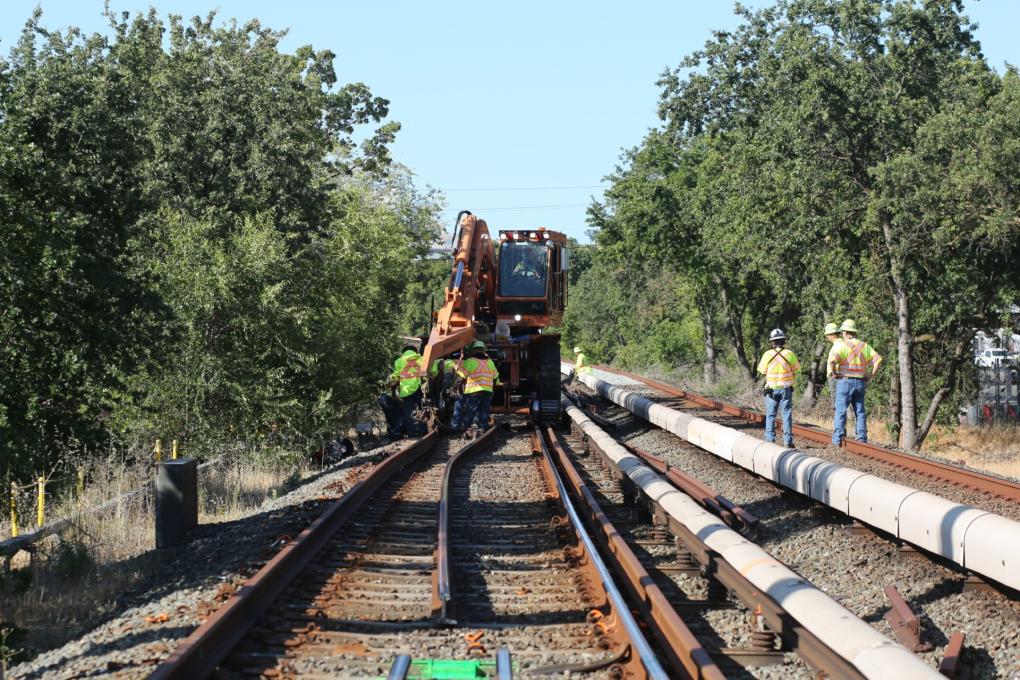
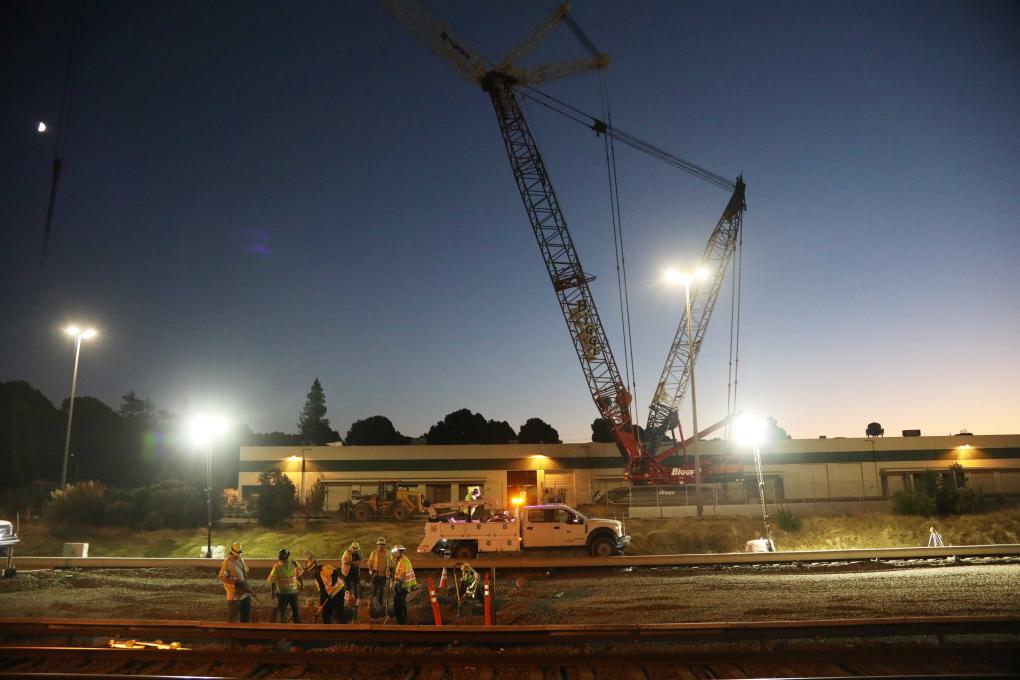
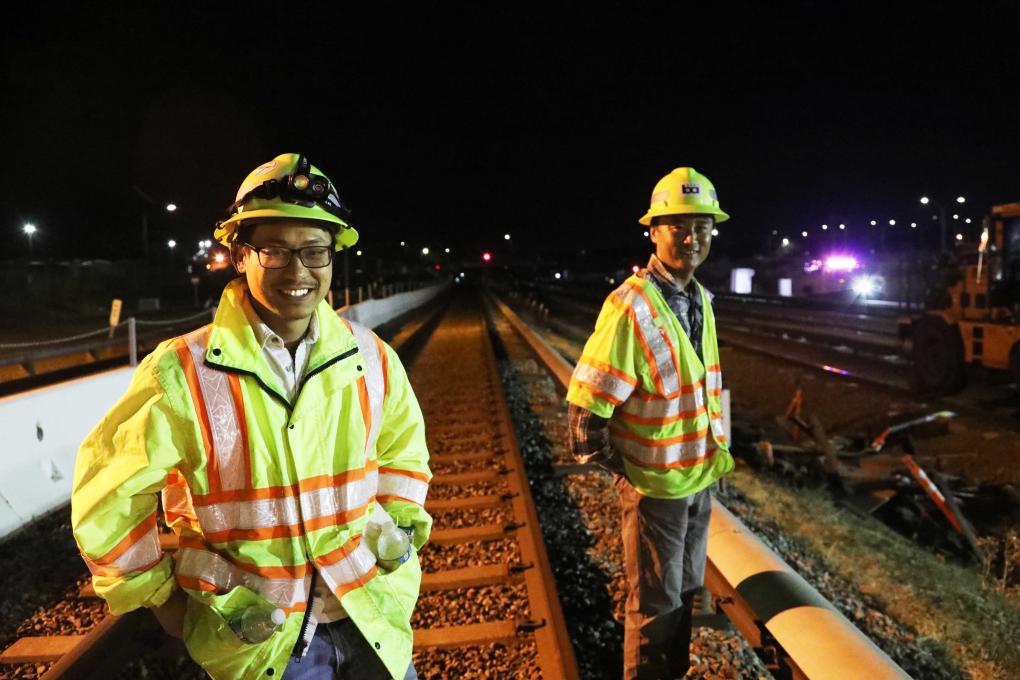
Each year, Engineers Week provides an opportunity to celebrate the problem-solvers who shape the world around us. This includes the hundreds of BART engineers bringing to life ambitious projects that are redefining how the Bay Area moves. From advanced train control systems to strengthened electrical infrastructure, BART’s engineers are enacting the theme of this year’s Engineers Week – Transform Your Future – every single day.
BART's engineering workforce spans dozens of specialties, from civil and structural to traction power and construction management, fostering a collaborative environment where diverse expertise comes together to tackle large-scale challenges. Their work ensures the system remains safe, resilient, and ready for what's to come.
“Engineers are at the heart of everything we do at BART,” said General Manager Bob Powers, a Professional Engineer himself. “Their work doesn’t just improve BART operations – it strengthens communities and ensures that everyone who lives here has access to enriching opportunities and experiences.”
“BART’s engineers are truly an elite group of puzzle solvers driven by a passion for making a difference for the Bay Area” said Sylvia Lamb, Assistant General Manager for Infrastructure Delivery. “They leverage industry expertise to deliver safe reliable service for today’s passengers while maintaining an innovative vision for transforming tomorrow’s.”
What are BART engineers working on? Keep reading to hear about some of the exciting projects happening around the system.
Next Generation Fare Gates
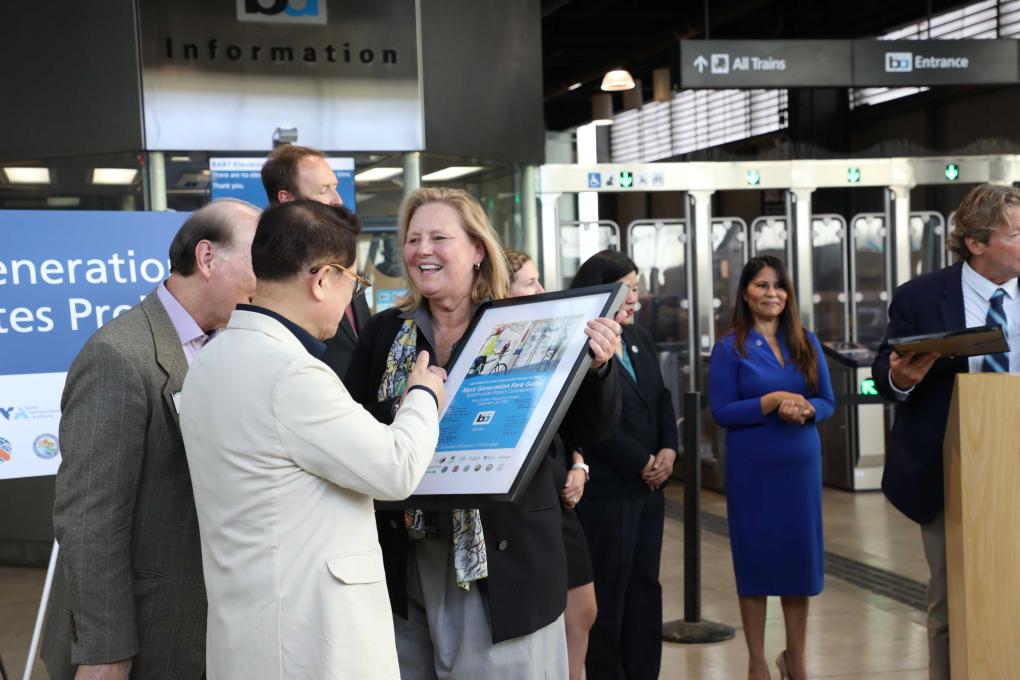
BART recently completed installation of its Next Generation Fare Gates at all stations, modernizing fare control equipment for the first time in decades.
The new gates feature advanced sensors, improved accessibility for people using wheelchairs, bikes, and strollers, and a more secure, durable design that helps deter fare evasion while improving passenger flow. The systemwide rollout was completed ahead of schedule and is already enhancing reliability and the overall rider experience. BART engineers are now using the fare gate’s advanced sensors to optimize their performance.
Communications-Based Train Control
One of the most ambitious efforts underway is Communications-Based Train Control (CBTC), which will replace BART’s legacy fixed-block signal system with a modern, communications-based platform. The project represents a generational upgrade to rail operations, fundamentally changing how the agency manages train movement, capacity, and reliability for decades to come. By allowing trains to operate more precisely and closer together, CBTC will increase throughput through the busiest parts of the system, including the transbay corridor, helping deliver more frequent and dependable service.
Implementing the technology requires installing new trackside communications equipment, onboard systems, and advanced control software while maintaining daily passenger service. It is widely considered one of the most ambitious signaling modernizations in U.S. transit and showcases the scale and technical complexity of BART’s engineering work.
Traction Power Cable Replacement
Behind every BART trip is a vast electrical network that supplies power to the trains. BART’s traction power cable replacement program is renewing aging 34.5kV sub-transmission cables that distribute electricity from substations to traction power facilities across the system.
Replacing these decades-old cables improves reliability, increases capacity, and reduces the risk of service disruptions, ensuring trains have the consistent power needed to provide continuous and frequent service. The new cables will also be used for traction power substation control and to monitor other vital BART assets.
Investing in the Next Generation of Engineers
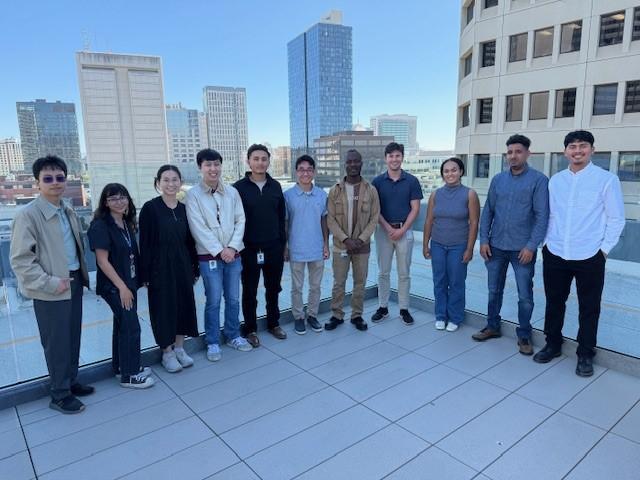
The 2025 BART Engineering Interns are pictured at BART HQ. From left to right: Israel Banez, Alexa Banuelos, Thi Phan, Kevin Nguyen, Miguel Coronado, Kai Gottschalk, Devine Pritchard, Aidan Tamayo, Gianna Pietro, Yonas Isaak Mussie, Alexandro Silva.
Engineers Week is also about inspiring future problem-solvers. BART’s Engineering Internship Program provides paid, hands-on opportunities for college students and recent graduates to work directly with staff engineers on active capital, maintenance, and a wide range of other engineering projects and initiatives. Interns gain experience in areas such as design support, field inspections, construction coordination, data analysis, and systems testing, and the opportunity to apply core engineering principles and contribute to real-world improvements across stations, track, power, and train control. Five engineering interns who participated in the 2025 program were later hired full-time as Junior Engineers.
Students interested in learning more can visit bart.gov/internships. The application period will open this spring.
BART Board initially approves Alternative Service Plan outlining budget balancing details
On Thursday, Feb. 26, the BART Board of Directors initially approved an Alternative Service Plan outlining specific budget balancing details to solve a $376M deficit for the next fiscal year if no new funds become available to BART. BART is facing a structural deficit of $350M to $400M because ridership is still down 50% compared to pre-pandemic levels and BART’s current funding model relies heavily on passenger fares.
The plan includes specific cuts and financial strategies needed to balance both the FY27 (July 1, 2026-June 30, 2027) and FY28 (July 1, 2027-June 30, 2028) budgets. The plan includes service cuts, station closures, fare increases, a 40% reduction in system support services, laying off 1,200 employees, and a series of deferrals and one-time resources. The plan does not name specific stations to be closed and makes clear the BART Board will be responsible for all decisions on station closures. You can read the Alternative Service Plan resolution, resolution attachment, and presentation to the BART Board.
BART has already made budget cuts across all departments and instituted a series of cost controls, including rightsizing service, labor savings, operational efficiencies, and reducing BART’s office space footprint. At the same time, BART has also worked to increase revenue by installing new fare gates, leasing out BART parking lots, and offering new fare products such as Clipper BayPass. View a detailed list of cost savings implement by BART at bart.gov/fiscalcliff.
Alternative Service Plan Details
To take place in January 2027:
- 3-line service (Yellow, Blue, and Orange line service only, with limited peak service in only the peak commute direction on the Red and Green lines).
- 30-minute frequencies on every line.
- Closing at 9pm seven days a week.
- This service plan represents a 63% reduction in train hours.
- 30% fare and parking fee increases (the estimated average fare would increase from $4.98 to $6.38).
- Target approximately $30M in savings over 6 months from non-service budget reductions to fleet and non-fleet maintenance, police, cleaning, and administrative support functions.
- Continue deferrals of priority capital allocations and retiree medical contributions.
- Balance remainder of FY27 with one-time resources and financial deferrals.
Following the January 2027 cuts, staff will continuously assess ridership and revenue impacts and the performance of all District functions to determine if further reductions can be safely and legally implemented.
To take place in July 2027 if feasibly safe:
- Target over $175M in annual cost reductions through a cumulative 70% reduction in service hours:
- Maintain 3-line service, 30-minute frequencies on each line, closing at 9pm.
- Close up to 15 stations and/or up to 25% of system track miles.
- The BART Board will be responsible for all decisions on station or line segment closures.
- Increase fares and parking fees up to a cumulative 50%. The estimated average fare would increase to $7.26.
- Target annual operating expense savings of more than a cumulative $130M from non-service budget reductions to fleet and non-fleet maintenance, police, cleaning, and administrative support functions.
- Continue to defer retiree health contributions; defer most remaining capital allocations.
Contingency:
- If at any point it is determined BART can’t safely or legally operate with available resources, stop passenger service,
- Use existing District tax revenues to secure system assets.
- Work to determine system’s future.
Use of the State Loan
BART can’t use state loan money to avoid station closures and service cuts if no new revenue becomes available because without new revenue, there is no way to pay the loan back. The state loan primarily helps with cash flow if a November 2026 transit funding measure is successful. It is a bridge loan that gives BART reassurances money will be available to continue to deliver the best service possible until the sales tax dollars from the successful ballot measure become available for BART’s use. This is projected to happen in July 2027 but could take longer. If a funding measure succeeds, BART will use $97M in loan funds to help balance the FY27 budget.