
Search Results
BART service restored; expect residual delays
BART restored service shortly before 4 p.m. on Wednesday after a person was struck by a train at Embarcadero Station in what was believed to be an attempted suicide; it was the second major delay of the afternoon following an unrelated incident between Civic Center and 16th/Mission involving San Francisco
Gung Hay Fat Choy from BART
Celebrate the Year of the Rooster, take BART to the Chinese New Year Parade in San Francisco, Feb. 19 at 5:30 p.m. Exit at the Montgomery or Powell Street Stations. To plan your trip, use bart.gov's online Trip Planner. Named one of the world's top ten parades, San Francisco's Chinese New Year Parade is the
BART employee tests positive for COVID-19
BART learned this afternoon that an employee in a role that interacts with the public has tested positive for COVID-19. The employee wore a mask and gloves and socially distanced themselves during their shifts prior to the test and is now in quarantine. The last day the employee worked in the public was
BART expands service for weekend A's games
BART will run longer trains this evening, Saturday and Sunday to accommodate the crowds of baseball fans heading to the Oakland A’s versus Seattle Mariners series at McAfee Coliseum stadium. Tonight’s game begins at 7:00 p.m. Saturday and Sunday’s games begin at 1:05 p.m. BART officials suggest riders buy
BART runs limited overnight service on Halloween
But not Sunday night into Monday morning It’s official – BART will definitely run limited overnight service beginning at midnight tonight until the start of normal Sunday morning service, which resumes around 8 a.m. BART said yesterday that it would extend service past its usual midnight closing time to run
Cosplay on BART and join the BART Anime Mascots at FanExpo San Francisco on Sunday, Nov. 30
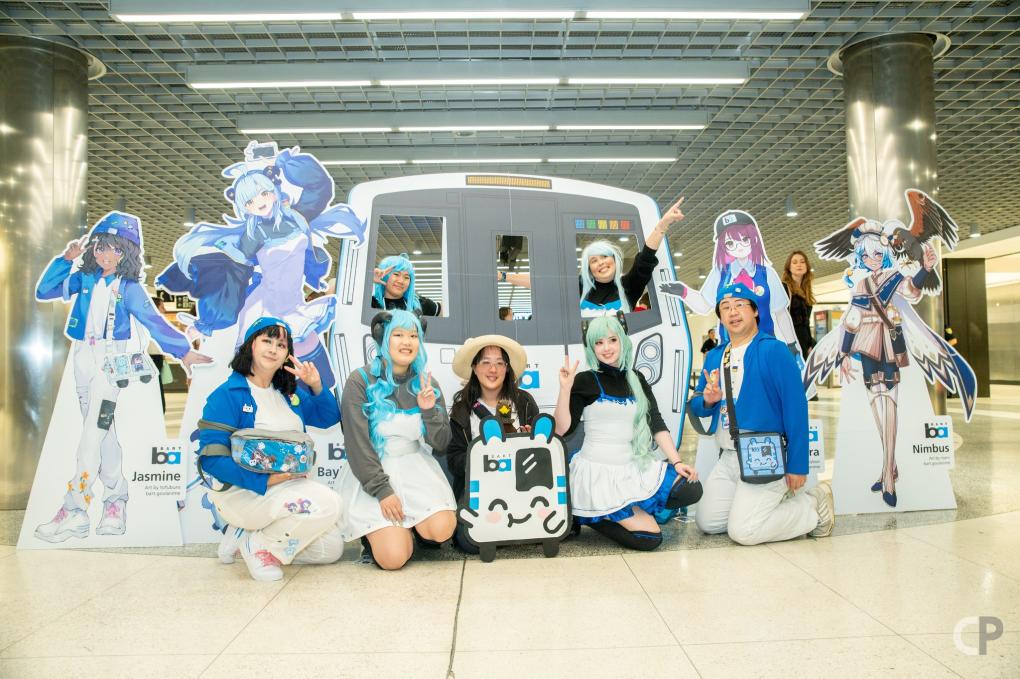
BART anime mascot cosplayers at BART's Meet the Anime Mascots event in 2023.
BART is gearing up for some fandom fun as our beloved anime mascots head to FanExpo San Francisco for one day only on Sunday, Nov. 30! Riders and convention-goers can look forward to exclusive giveaways, unique photo ops, and a one-of-a-kind cosplay ride to the event.
Cosplay ride to FanExpo
Ride with us in costume for an organized Cosplay Ride to FanExpo and get an exclusive sticker!
We’ll meet in the paid area on the ground floor of MacArthur Station at 10:15am, take a group photo when we exit at Powell St. Station, and walk about 10 minutes to Moscone Center.
Make sure you have at least $4.50 on your Clipper card for the one-way trip or use Tap and Ride to pay with your contactless bank card at the fare gates.
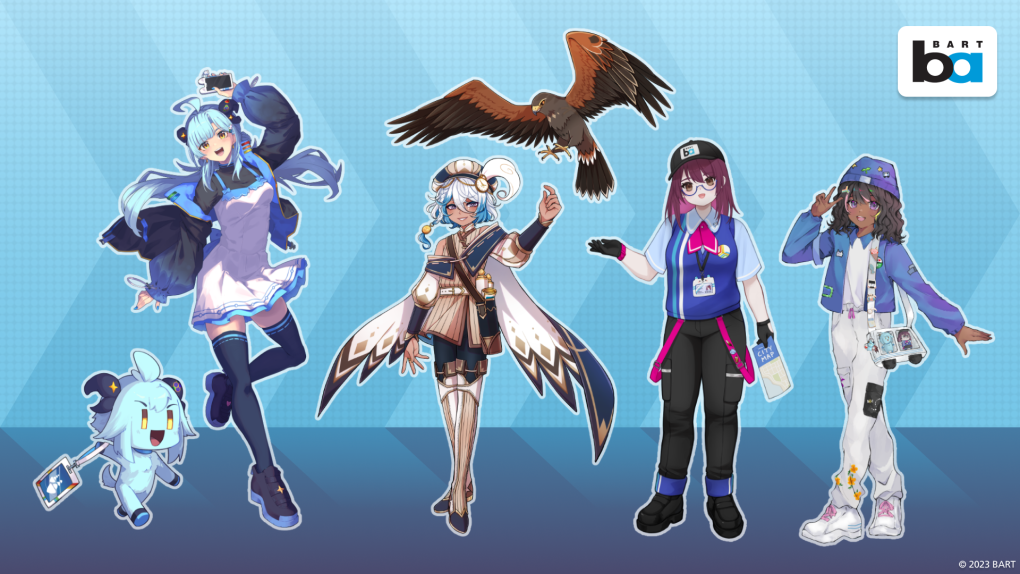
Meet the mascots and find their cosplay guides here.
Take BART to FanExpo and get a spin on the BART toy machine
Taking BART to the expo? Take a selfie on the train to show you rode BART and get a free token for a spin on the BART capsule toy machine.
BART FanExpo activities
On the FanExpo show floor, BART’s booth will host hands-on activities and special promotions on Sunday, Nov. 13, only.
Visitors can:
- Design a comic book–style PSA. We’ll pick some of our favorites to refine and run as actual ads on BART trains.
- Collect an exclusive FanExpo eki stamp for your BART Passport (and pick up a free Passport if you don’t have one!).
- Pick up free guides to BARTable comic book shops, noodle spots, and boba shops, and more.
- Other special promotions and surprises.
See you onboard! For more on the BART anime mascots, visit bart.gov/anime
BART Board names new General Counsel
Matthew Burrows takes over as District's top attorney The BART Board of Directors voted unanimously to select Matthew Burrows as the District's General Counsel. Burrows succeeds Sherwood Wakeman, who retired in July. The General Counsel is responsible for leading BART's Office of the General Counsel, which
BART to run longer trains for Cal game
BART will run longer trains Saturday, December 6, to accommodate the thousands of expected football fans heading to the Cal versus Washington match-up that begins at noon.After the game, BART urges football fans to enjoy Berkeley shops and eateries until the post-game crowd thins out. To ease your game day
BART Connects: BART gave a civic architect “a sense of what was possible” for urban design
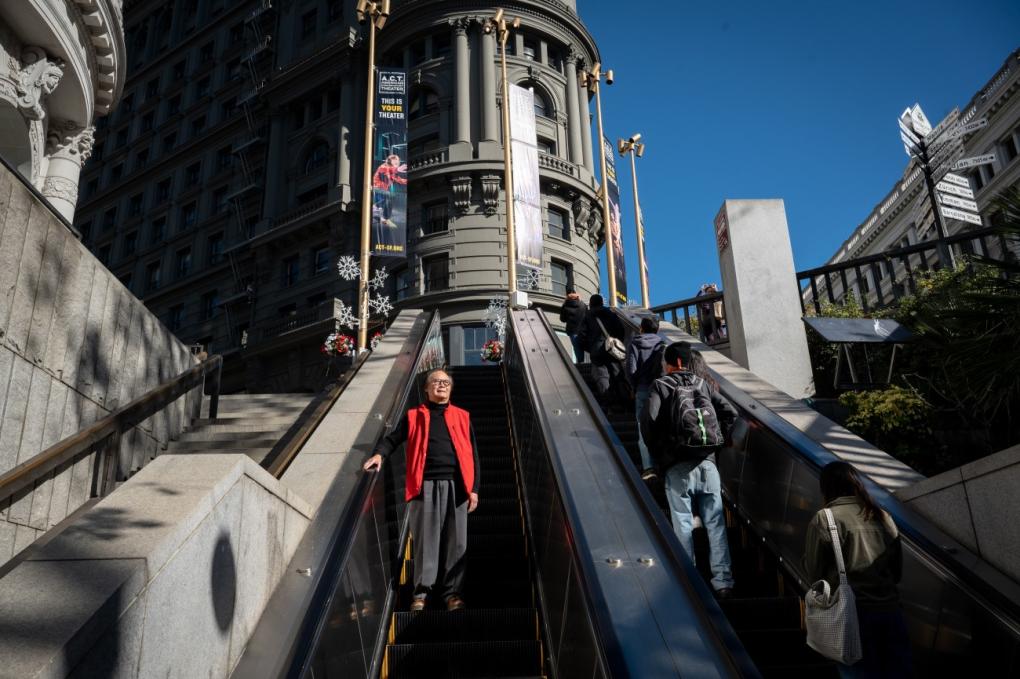
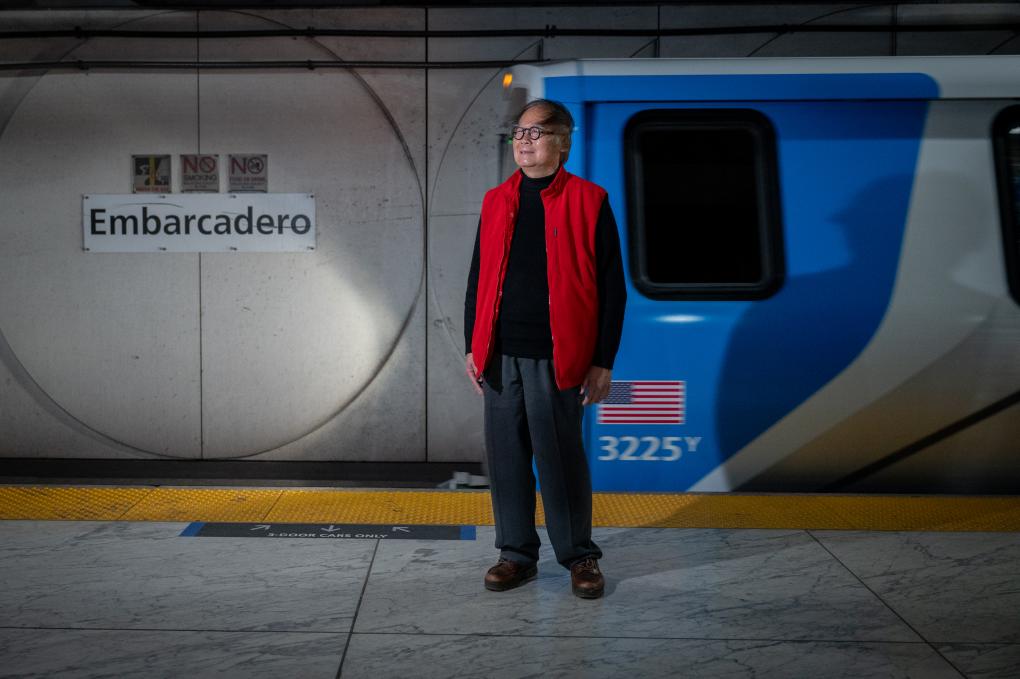
Howard Wong pictured at Powell Street Station.
Do you have a favorite BART memory or story to share? Email a short summary to BART Storyteller Michelle Robertson at [email protected], and she may follow up to schedule an interview.
Howard Wong was born and raised in San Francisco, and like many locals, he depended on public transportation to travel. He remembers well the “old, shaky streetcars and rickety buses” that ferried citizens around the region, and so too, he remembers that it “wasn’t always a pleasant experience.”
A few years after BART opened, he graduated with a master's degree in architecture and design from UC Berkeley. In the program, Wong and his classmates studied the new BART system – its design, its construction, its principles. “It was the biggest project around,” he said. “And it gave you a sense of what was possible.”
When BART first opened in 1972, Wong, who was living in Berkeley, used it mostly to travel around the East Bay. That is, until the Transbay Tube opened in 1974, and he took a joy ride from Berkeley into San Francisco.
“Going through the tunnel for the first time was quite an experience,” he said. “Your ears pop, and it feels like you’re rolling really fast. It gave you the sense of entering this new Space Age era of transportation.”
Wong’s experiences on BART left a lasting impact on him. He said the transit system helped shape his “democratic sensibilities on urban design."
“No matter your class, you had a sense that you were getting special treatment when you rode the trains,” he said.
“You really felt like you were a part of this democracy of benefits,” Wong continued. “You're sitting on a train with all the commuters who seemed much more affluent with their suits and ties and briefcases, but you’re right there on that train with them.”
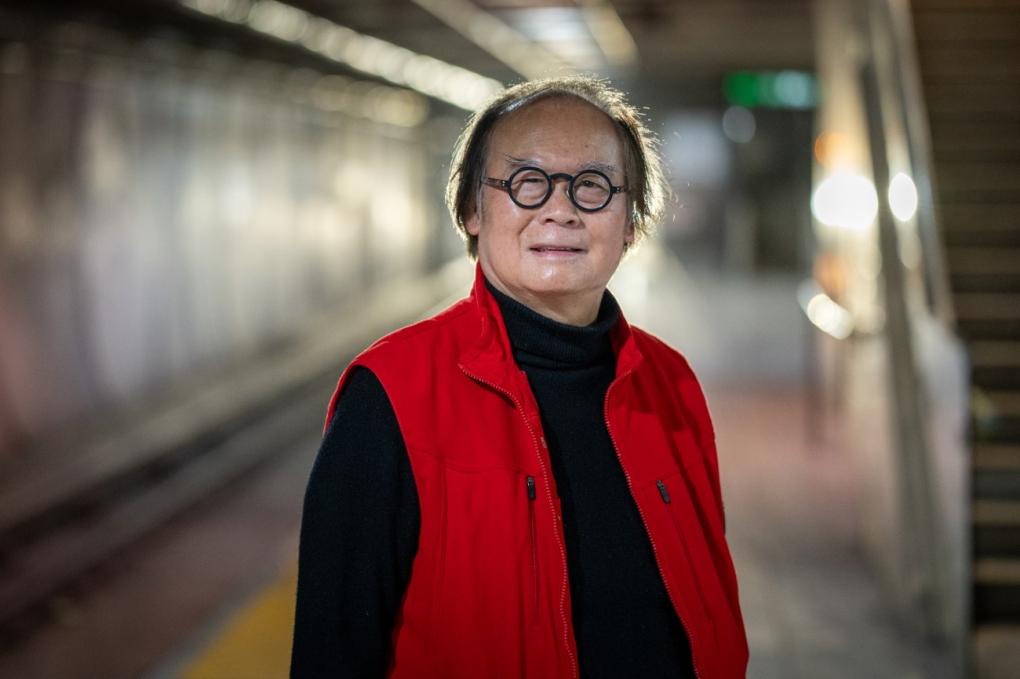
Wong went on to work for a series of Bay Area architectural offices before he was hired as an architect for the City and County of San Francisco.
Wong still remembers his trips from North Beach to San Francisco State, where he earned his undergraduate degree, by way of the old surface M streetcar, a ride that took at least an hour each way. He said when the BART tunnels were built under Market, as well as the Muni Metro tunnels above them, “it was revolutionary.”
He also noticed that after BART opened, smaller bedroom communities quickly transformed into prosperous suburbs – a metamorphosis he attributes largely to the transit system, which enabled suburbanites to easily and affordably commute into San Francisco. He also noticed more businesses, especially higher-end department stores, set up shop along Market Street.
Now retired, Wong remains an avid BART rider. He often takes the train to explore cities outside his hometown as well as to regular haunts around Mission Street and the Berkeley campus. As of late, he’s taken BART to visit Fremont, Orinda, and Walnut Creek. Recently, he rode BART to Berryessa/North San Jose Station to check out the San Jose Flea Market, which he learned about from a BARTable article.
In his 51 years of riding BART, Wong said the public is essential in ensuring the system is around for generations to come. He encourages Bay Area residents to not “forget about transit.”
“You don’t have to take it all the time, but ride it every once and awhile,” he said. “It takes advocacy and support, as well as revenue to improve local transit and to keep it running. The public can help give it a boost, too.”
About the BART Connects Storytelling Series
The BART Connects storytelling series was launched in 2023 to showcase the real people who ride and rely on BART and illustrate the manifold ways the system affects their lives. You can follow the ongoing series at bart.gov/news.
The series grew out of BART's Role in the Region Study, which demonstrates BART’s importance to the Bay Area’s mobility, cultural diversity, environmental and economic sustainability. We conducted a call for stories to hear from our riders and understand what BART means to them. The call was publicized on our website, social media, email blasts, and flyering at stations. More than 300 riders responded, and a selection of respondents who opted-in were interviewed for the BART Connects series.
BART Connects: A Bay Area dad uses BART to spend time with his teenaged daughter
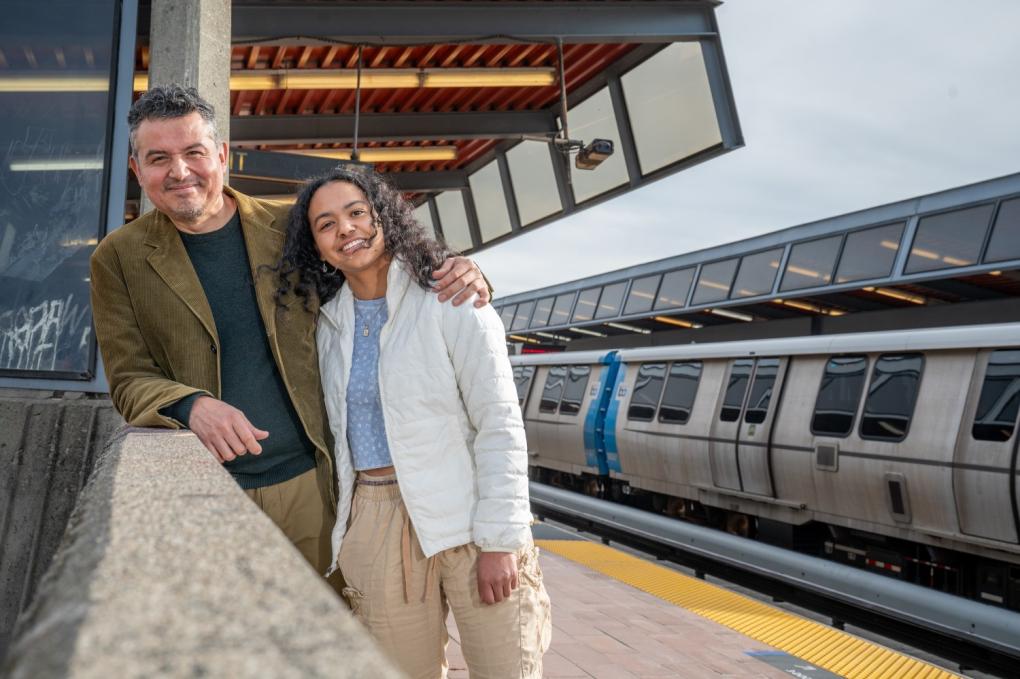
Ed and Elyse Cabrera pictured at Fruitvale Station.
Do you have a favorite BART memory or story to share? Email a short summary to BART Storyteller Michelle Robertson at [email protected], and she may follow up to schedule an interview.
Ed Cabrera spent most of his childhood in San Francisco’s Mission District. When he was two years old, his family immigrated from Guadalajara, Mexico, and they settled on the ground floor of a three-story flat at 18th and Dolores, just a few blocks up from the BART station at 16th.
The Cabreras took BART pretty much everywhere – to school, to appointments, to the library, and especially to visit family in the East Bay. The Cabreras were the last remaining members of their extended family still living in San Francisco, and if they wanted to see grandma and grandpa and the cousins, an eastbound BART ride was required.
Today, Cabrera lives in the Laurel District of Oakland, and now he travels in the reverse direction to hang out with his teenaged daughter, Elyse, when she’s staying with her mom in San Francisco. Cabrera said he regularly uses BART "to facilitate spending time with my daughter and acclimate her to city living.”
Elyse rode BART as a kid here and there – she loved the trains so much the Cabrera household was overrun with Thomas the Tank Engine toys – but she didn’t rely on it like her dad did in his San Francisco youth. Mostly, her parents shuttled her by car to school, social activities, and extracurriculars.
“That was more so because of her mother’s preference, and that was fine. It had its advantages,” Cabrera said. “But it also had a lot of disadvantages.” One being she didn’t spend much time exploring her surroundings outside of a vehicle, he said.
“You don’t want to have a kid who grew up in a city and doesn’t know it,” Cabrera continued. “And there’s no better way to get to know a neighborhood or community than walking, riding transit, and talking to people.”
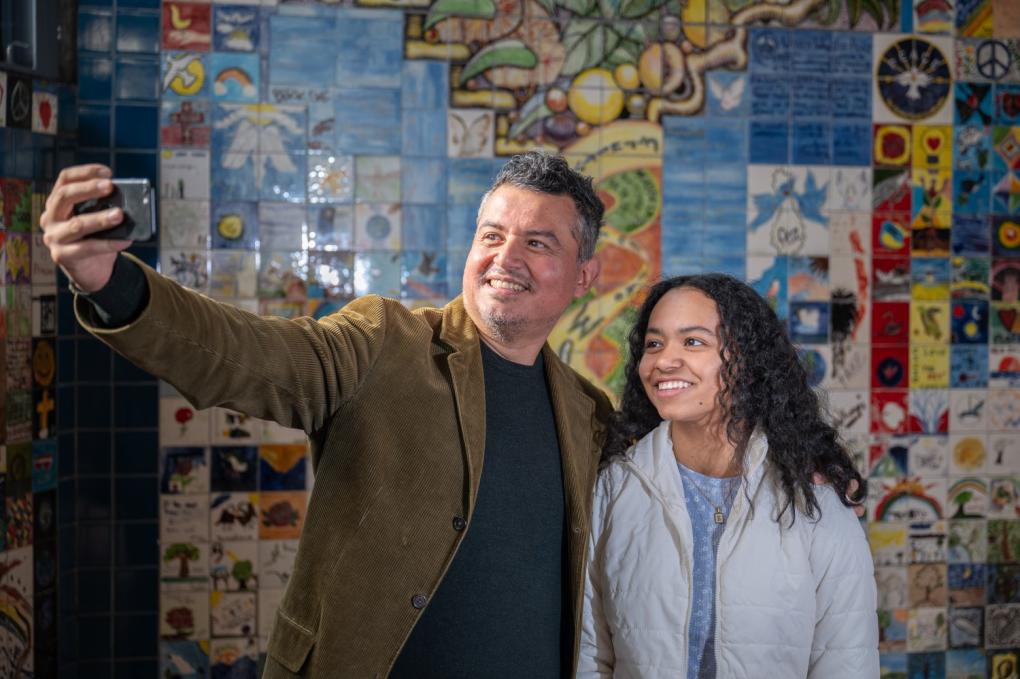
As his daughter grew, Cabrera wanted her to feel comfortable navigating the city independently, so he made a point to “transition Elyse out of the family car” and get her on public transportation to explore the neighborhoods beyond the Portola District, where she grew up.
Soon, Elyse was taking BART and Muni to meet friends at Dolores Park, to hang around the Castro, and to play mini golf at the course in the Mission District.
“It exposed her to different types of people,” Cabrera said. “What better place than BART to get to know the people around you? It’s the great equalizer!”
Cabrera and Elyse now spend much of their time together exploring the Bay Area. He doesn’t own a car, so most often, they take transit. In addition to riding BART to San Francisco to walk around the Mission and the Embarcadero, they’ll get onboard to visit Lake Merritt or head to their climbing gym – Elyse recently got her dad into rock climbing – and sometimes they’ll take it to explore the area’s regional parks. The pair plans to visit the Oyster Bay Regional Shoreline near Coliseum Station when Elyse is home from school.
Cabrera’s next transit challenge is getting Elyse comfortable on a bike. She's now a sophomore in college, and her campus is well-suited to biking.
Beyond getting her around the Bay, BART has also changed Elyse’s life, her father said. She's currently studying aerospace engineering, and Cabrera credits her interest in the field to early experiences riding BART and looking out the windows of the SFO AirTrain, watching the motion of the planes on the tarmac.
About the BART Connects Storytelling Series
The BART Connects storytelling series was launched in 2023 to showcase the real people who ride and rely on BART and illustrate the manifold ways the system affects their lives. You can follow the ongoing series at bart.gov/news.
The series grew out of BART's Role in the Region Study, which demonstrates BART’s importance to the Bay Area’s mobility, cultural diversity, environmental and economic sustainability. We conducted a call for stories to hear from our riders and understand what BART means to them. The call was publicized on our website, social media, email blasts, and flyering at stations. More than 300 riders responded, and a selection of respondents who opted-in were interviewed for the BART Connects series.