
Search Results
BART sees little change in newest proposal from unions
BART spokesman Rick Rice issued the following statement in response to the unions latest proposal: "This is not a game-changing proposal. We do not see that it represents significant movement. They went from 5% per year wage increases with a pension swap to 4.5% per year increases with a pension swap, which
Bus stops temporarily relocated at San Leandro BART Station
Beginning Wednesday, September 17 to Sunday, September 21, crews will be reconstructing the concrete gutter in the easterly bus bay of the San Leandro BART Station where the bus stops are located. During the construction, we will temporarily relocate the stops for AC Transit bus routes #80, #81 and # 85 from
BART Board gives green light to Concord Station plaza makeover
Using a mixture of local and state funding, the Board of Directors voted today to award a $3.2 million contract to give the Concord Station plaza a major makeover. The transformation will include improved pedestrian access with a decorative crosswalk, an added bike lane, modern, energy-efficient lighting and
BART fares increased 5.5% on January 1, 2025
BART fares will increase January 1, 2025, to keep pace with inflation so that the agency is able to pay for continued operations and to work toward restoring financial stability. BART's current funding model relies on passenger fares to pay for operations.
Fares will increase 5.5 percent on New Year’s Day. The increase is tied to the rate of inflation minus a half-percentage point. It’s the second such increase – the first took effect January 1, 2024.
The average fare will increase 25 cents, from $4.47 to $4.72. BART's fare calculator and Trip Planner have been updated with the new fares for trips with the date 1/1/25 and beyond. Riders can learn how the increase will affect their travels by entering a 2025 date for their trip.
“We understand that price increases are never welcome, but BART fares remain a vital source of funds even with ridership lower than they were before the pandemic,” said BART Board Vice President Mark Foley. “My Board colleagues and I voted in June 2023 to spread necessary fare increases over two years rather than catching up all at once. At the same time, we voted to increase the Clipper START means-based discount from 20 percent to 50 percent to help those most in need.”
The fare increase is expected to raise about $14 million per year for operations. Combined with the previous year’s fare adjustment, BART will use this $30 million per year to fund train service, enhanced cleaning, additional police and unarmed safety staff presence, and capital projects such as the Next Generation Fare Gates project.
Discounts available for those who are eligible
The regional Clipper START program is an important resource for low-income riders of BART and other Bay Area transit systems. The program is for adult riders with a household income of 200% of the federal poverty level or less. Administered by the Metropolitan Transportation Commission, program participants receive a personalized Clipper card that cuts half the cost of fares on more than 20 transit systems.
- Limited income riders get 50% off with Clipper START.
- Youth 5-18 years old get 50% off with a Youth Clipper card.
- Seniors 65 and over get 62.5% off with a Senior Clipper card.
- The RTC Clipper card is a version of Clipper created for passengers under 65 with qualifying disabilities to provide 62.5% off.
Regular, predictable increases a long-term strategy
January’s fare increase is the latest adjustment in a strategy to provide BART funding while providing riders predictable, scaled changes to the costs of riding. In 2004, BART first implemented this inflation-based fare increase program that calls for small, regular, less-than-inflation increases every two years, allowing fares to keep up with the cost of providing reliable and safe service.
BART is also much less expensive than driving on a cost per mile basis. The Internal Revenue Service standard mileage rate for driver is 67 cents per mile; BART riders pay an average of 27 cents per mile, 60% less than the cost of driving.
Outdated funding model
BART's current funding model relies on passenger fares to pay for operations. Even with the fare increase, BART is facing a $35 million operating deficit in FY26 and $385 million in FY27. Since BART’s outdated model of relying on passenger fares to pay most operating costs is no longer feasible because of remote work, the agency must modernize its funding sources to better match other transit systems throughout the country that receive larger amounts of public funding. BART needs a more reliable long-term source of operating funding and continues to advocate at the federal, state, and regional levels for the permanent funding needed to sustainably provide the quality transit service the Bay Area needs.
Addressing BART’s ongoing financial crisis will take a variety of solutions including securing new revenue and continuing to find internal cost savings. BART costs have grown at a rate lower than inflation, showing we have held the line on spending. We have implemented a service schedule that better matches ridership and we are running shorter trains, reducing traction power consumption and maintenance costs.
This article was first posted on November 26, 2024.
Take BART + Muni to Outside Lands Music Festival
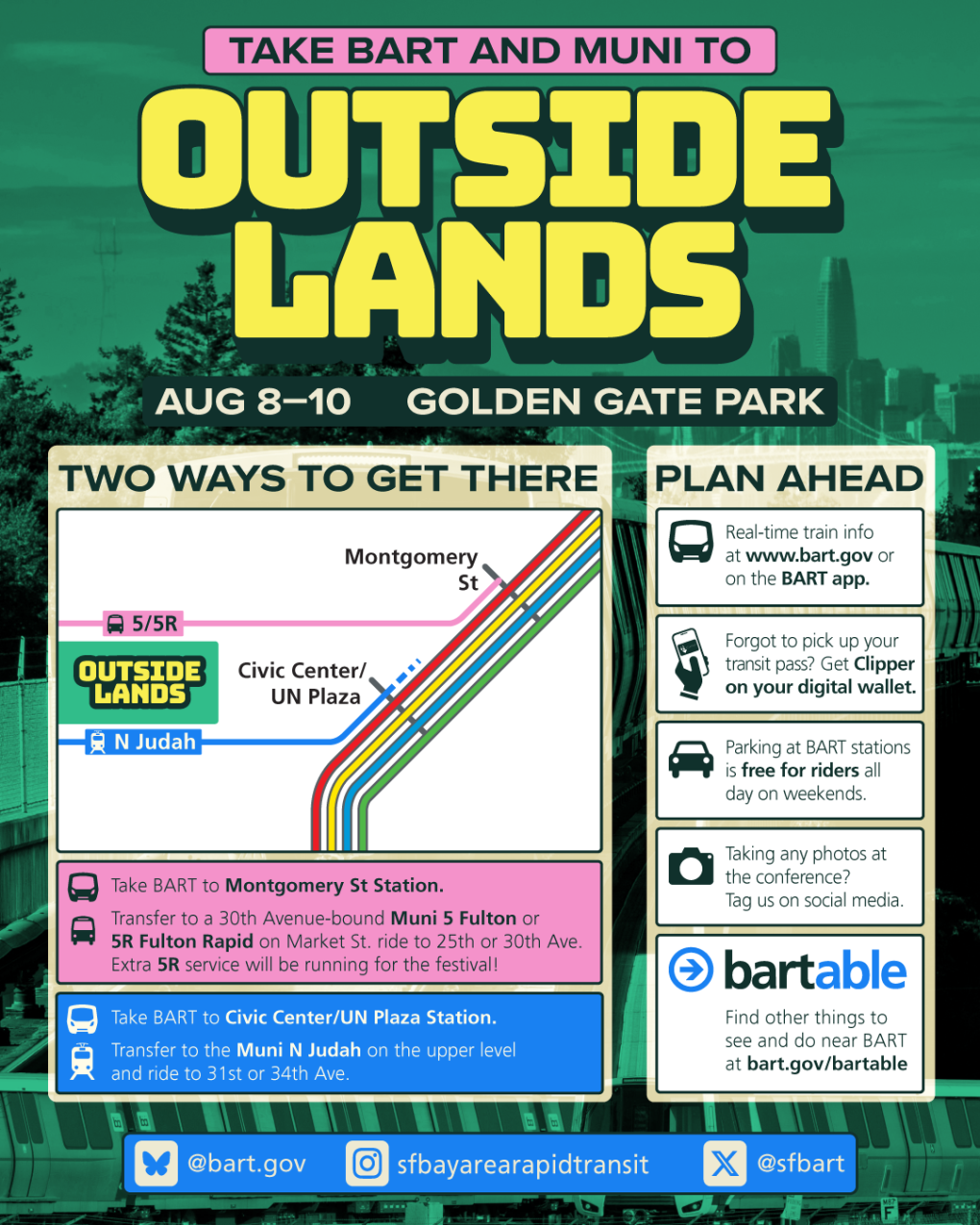
Outside Lands, the Bay Area’s biggest music festival, is this Friday, Aug. 8, through Sunday, Aug. 10. The annual festival draws thousands of people to San Francisco's Golden Gate Park, and parking is a nightmare with no on-site festival parking and very limited street parking.
Don't circle the neighborhood for an hour. Take public transportation!
Use BART's Trip Planner for detailed routes and transit options.
Getting there
BART does not offer direct service to Golden Gate Park, but you can easily take BART into Downtown San Francisco and transfer to SF Muni or the festival's pre-paid roundtrip local shuttles.
BART will run a regular schedule, with trains running until around midnight each night of the festival.
Muni transfer: Exit at Montgomery St Station and take the 5R Fulton Rapid, 5 Fulton, 38R Geary Rapid or 38 Geary Bus to the Main Gate. Muni will provide extra service on the N Judah and 5R Fulton Rapid. Each night of the festival, Muni will provide 5X Fulton Express service from Golden Gate Park to Civic Center BART Station.
Outside Lands prepaid shuttles: Take BART to Civic Center Station and walk down Grove St. to Bill Graham Civic Auditorium.
Parking at BART is free on weekends
BART Parking is free after 3pm on Friday and all day Saturday and Sunday, except for the Milpitas and Berryessa/North San Jose stations, which are operated by VTA. Visit bart.gov/parking for more info.
Positions open on BART Police Civilian Review Board
The BART Board of Directors is currently in the process of recruiting for three BART Police Civilian Review Board (BPCRB).
The San Francisco Bay Area Rapid Transit District (BART) will be accepting applications for membership on the BART Police Civilian Review Board (BPCRB) beginning Thursday, March 12, 2026, until filled, with the first screening on June 12, 2026. Appointments will be made by President Melissa Hernandez, District 5; and Director Janice Li, District 8. The full BART Board of Directors will appoint the vacant Public-at-Large seat.
Members of the BPCRB work to increase the public's confidence in BART's Policing services by:
- Reviewing, recommending and monitoring the implementation of changes to police policies, procedures, and practices
- Receiving citizen allegations of on-duty police misconduct
- Advising Board of Directors, General Manager, Independent Police Auditor, and Police Chief
- Participating in recommending appropriate disciplinary action
- Meeting periodically with representatives of the BART Police associations
- Participating in community outreach
Apply online here or download the application.
Applications will first be screened on June 12, 2026, but recruitment will continue until all appointments have been made.
Call (510) 464-6083 or email [email protected] with any questions.
Read some of our favorite BART love stories
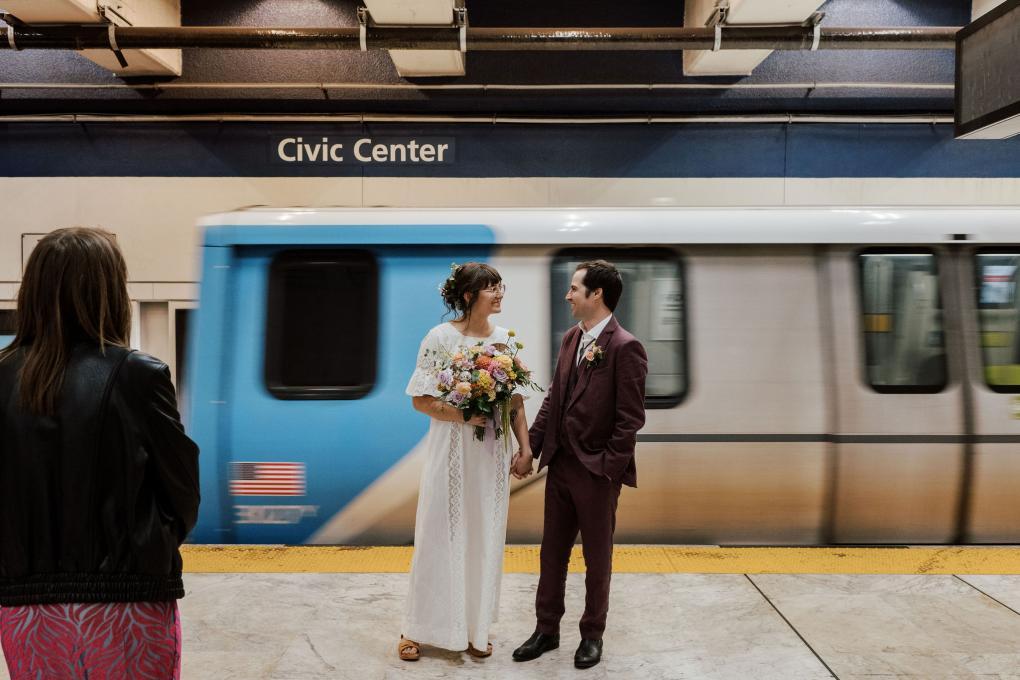
Photo courtesy of Anya McInroy Photography.
Valentine's Day is just around the corner (and so is our Valentraine speed dating event ) and, well, there is just something romantic about trains!
So many people have found love on BART.
Read some of our past BART meet cute stories:
Former BART attorney met the love of her life on San Francisco-bound train
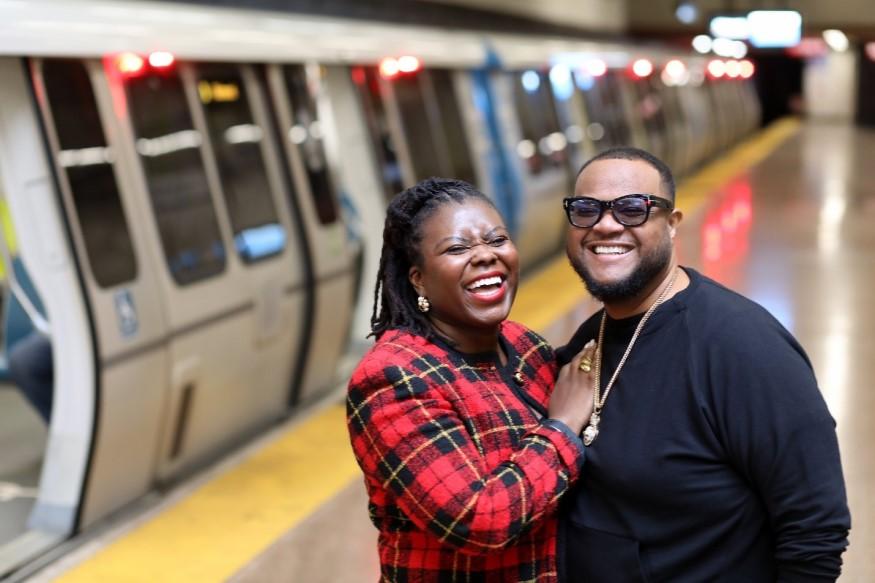
Meet Crystal and George, who met each other on the Lake Merritt Station platform.
On her daily trips to Embarcadero Station, Crystal began noticing a man on the Lake Merritt platform. The two often rode on the same train car, through the Transbay Tube and into the city.
“I probably saw him for a month, every day, waiting on the same platform,” said Crystal.
With only a few months in the Bay under her belt, Crystal was on the hunt for friends and community – “Definitely not a boyfriend,” she said. In fact, Crystal already had a significant other.
So, one day, Crystal decided to gather her courage and introduce herself to the mysterious, well-dressed man on the train.
“BART Guy” and “BART Girl” find love on an empty Embarcadero platform
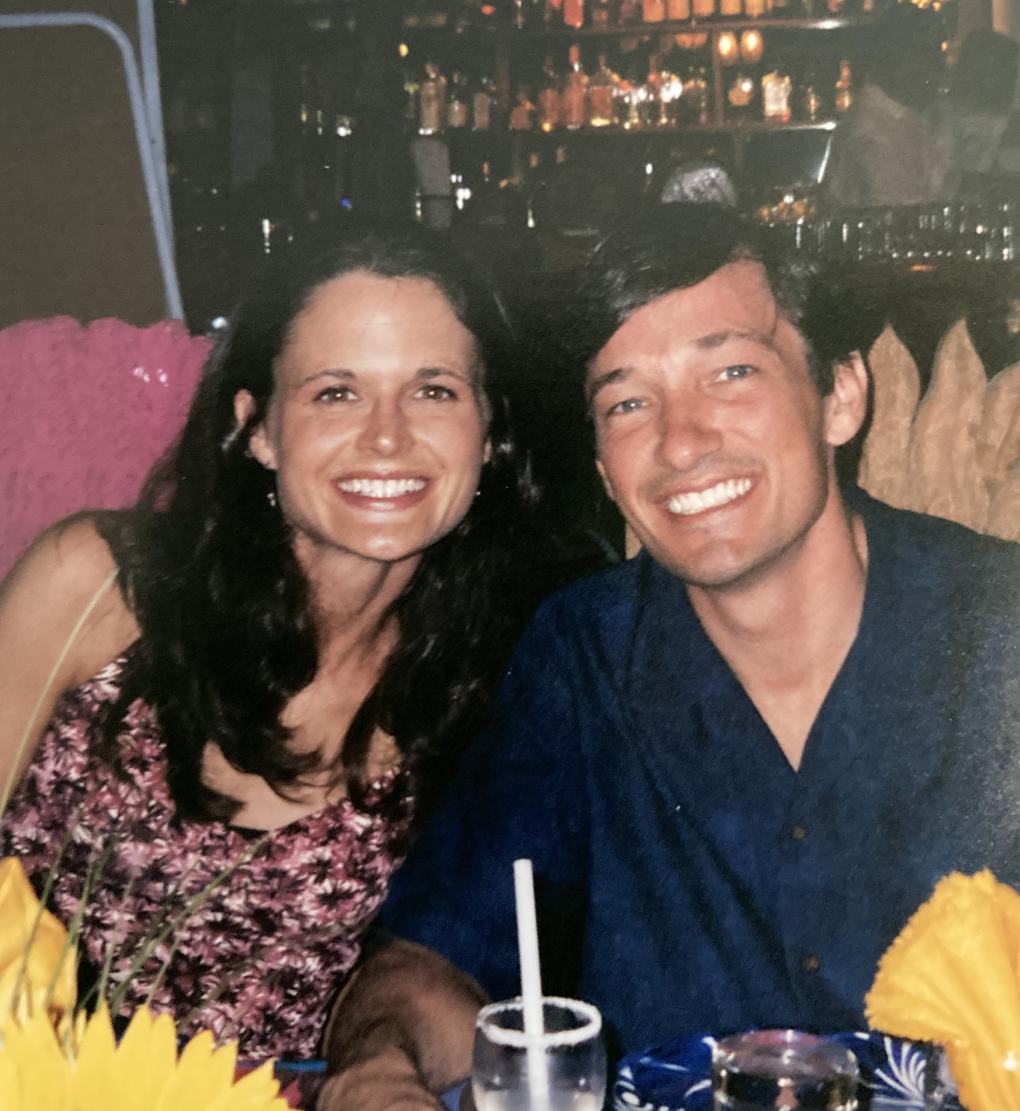
Thanksgiving Day morning, 2001. Embarcadero Station platform. Gene and Stefani are the only two people waiting for a train. Both are heading to see their families. They make small talk. Gene's train pulls up, and he boards the train. Before the doors close, Gene stepped off.
“It was a split-second decision,” said Gene. “I never thought, ‘oh, that’s my future wife’. It was more a thought of ‘I’ll never see her again, what a shame’. That compelled me to step off the train...I was so embarrassed, and I was asking myself ‘what have I done?’.”
BART Connects: A transit wedding happened naturally for these newlyweds
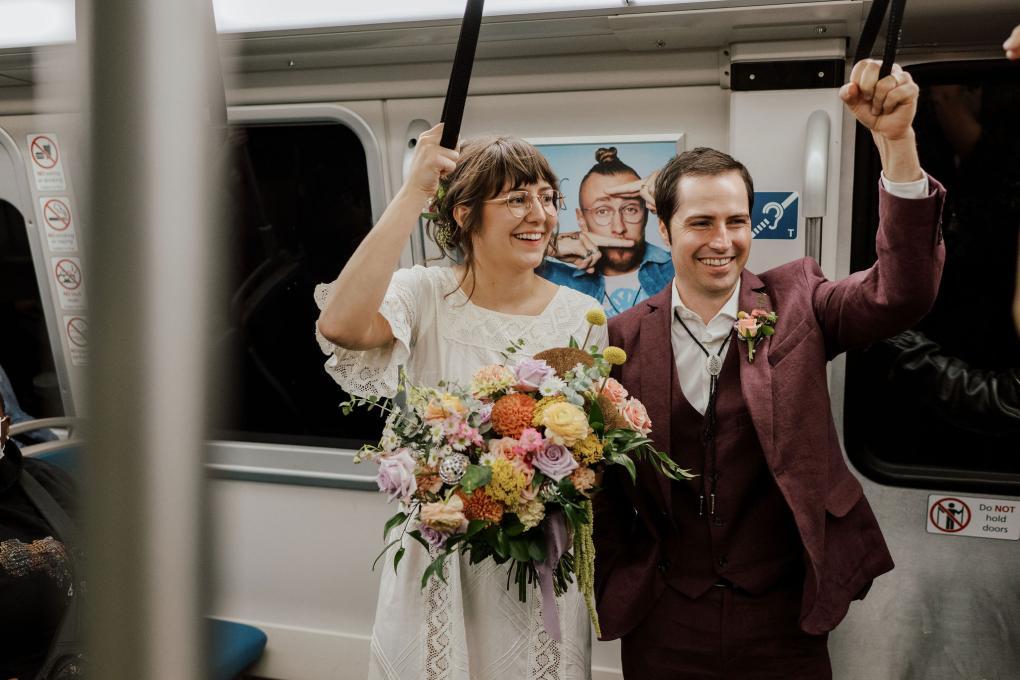
Photo courtesy of Anya McInroy Photography.
Mahalia LeClerc and Benjamin Frisbey never set out to have a transit wedding. It just kind of happened that way...
“We were never like, let’s make sure we include BART in the wedding,” the bride said.
"[But] we value public transit. And though we didn’t plan it that way, our experiences using it naturally led us to having a transit wedding.”
Read the story here.
Couple who met on BART tie the knot with whimsical BART-themed wedding at Fairyland
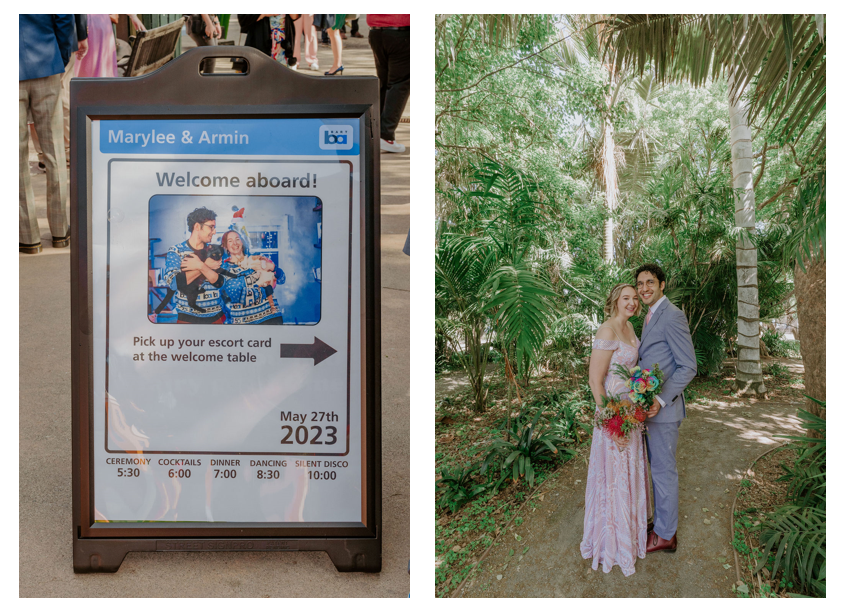
Photo courtesy of Katie Weinholt Photography.
Seven years ago, Marylee and Armin met on a BART train. In May at Oakland's Fairyland, they tied the knot with a BART-themed wedding.
"I don’t believe in soulmates, but I do believe in the right people at the right time...You were exactly the right person at BART to talk to."
They chatted in the Transbay Tube in 1983. This fall, they celebrate their 41st wedding anniversary
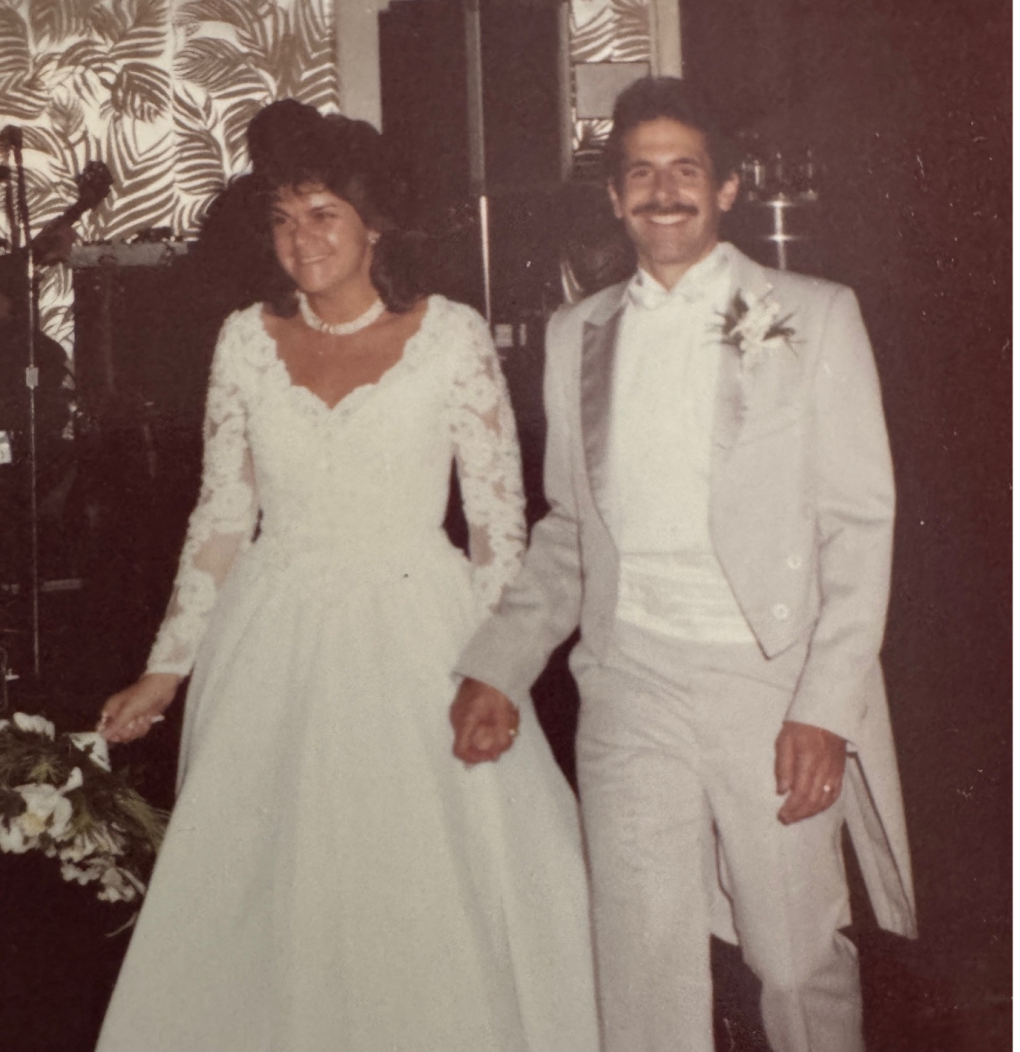
It was 1983. BART was pretty new to the Bay Area and so was 23-year-old Cindy when she stepped onto a BART train that would change her life.
The train was packed that evening, and Cindy – her feet aching from too many hours squished into heels – couldn't find a seat.
“Why didn’t I bring flat shoes today?” she said aloud, speaking more to the universe than any person in particular.
But then a human voice responded. It belonged to a young man hanging onto the strap beside Cindy.
The two struck up a casual conversation as the train began its underwater journey through the Transbay Tube.
Read the story here.
New data shows big improvements for BART riders
Several key indicators BART uses to measure success are showing significant progress in efforts to showcase a new and improved BART experience. New data shows ridership growth and improvements to safety, cleanliness, satisfaction, and reducing fare evasion.
Strong Saturday ridership
Total ridership grew 6.4% in the third quarter of Fiscal Year 2025 over the same quarter last year. Weekday ridership increased nearly 7% over the same quarter last year, while weekends had even bigger gains as more families are taking BART to events. The average Saturday had a 14% ridership increase and the average Sunday ridership grew by more than 8% compared to the same quarter last year. The Quarterly Performance Review (QPR) also showed customer satisfaction is at 84%, train cleanliness improved by 58% year over year, and station cleanliness improved 52% year over year.
These gains come as BART has focused all available resources on implementing its Safe and Clean Plan. The comprehensive approach to transforming the rider experience includes a surge in BART PD’s visible safety presence on trains and in stations as well as doubling the rate of deep cleanings for trains. Another huge improvement for the rider experience is running only new Fleet of the Future trains.
Safety staff presence brings order in the system
In the latest QPR, overall robberies decreased from 42 in the previous quarter to 21 while electronic theft decreased from 43 in the previous quarter to 21. Crimes against persons decreased from 9.56 last quarter to 6.22 crimes per one million trips in the third quarter of this year. These gains come as police-related customer service complaints dropped by 63% year over year, showing an improved perception of safety from riders.
“The BART Police Department is seeing firsthand the transformation that is taking place at BART thanks to the dedication of our sworn officers, ambassadors, fare inspectors, crisis intervention specialists, and community service officers,” said Kevin Franklin, BART’s Chief of Police. “Riding BART today is nothing like what it was during the pandemic. Our new deployment strategies and proactive enforcement is providing a more welcoming experience for families in our stations and trains.”
BART's efforts to harden the system, led by the installation of its Next Generation Fare Gates, are being recognized as the number of riders who say they’ve witnessed fare evasion has reached a new low for the past five quarters, going from 24% in the third quarter of Fiscal Year 2024 to 15% in the third quarter of Fiscal Year 2025. The stronger gates feature a state-of-the-art locking mechanism as well as sensors that improve access for riders in wheelchairs as well as those using strollers or carrying luggage. The new gates have been installed in 40 stations so far and will be in place in all 50 BART stations by the end of this year.
Key rider safety reports via the BART Watch app are also declining
Riders are reporting fewer safety concerns and issues related to Code of Conduct violations and people needing welfare checks through the BART Watch App.
The number of Code of Conduct related reports sent by riders decreased this latest quarter to 2,398 reports, compared to 3166 during the same quarter last year. Requests for welfare checks also decreased to 680 requests, compared to 763 for the same quarter last year- meaning there are fewer people who look like they can't care for themselves. BART recently placed 400 posters in its train cars targeting unwanted activities such as smoking, harassment, and unruly behavior. These posters reinforce BART PD’s commitment to enforcing the Code of Conduct and providing a welcoming environment for all riders.
BARTy: The official history of BART's beloved mascot
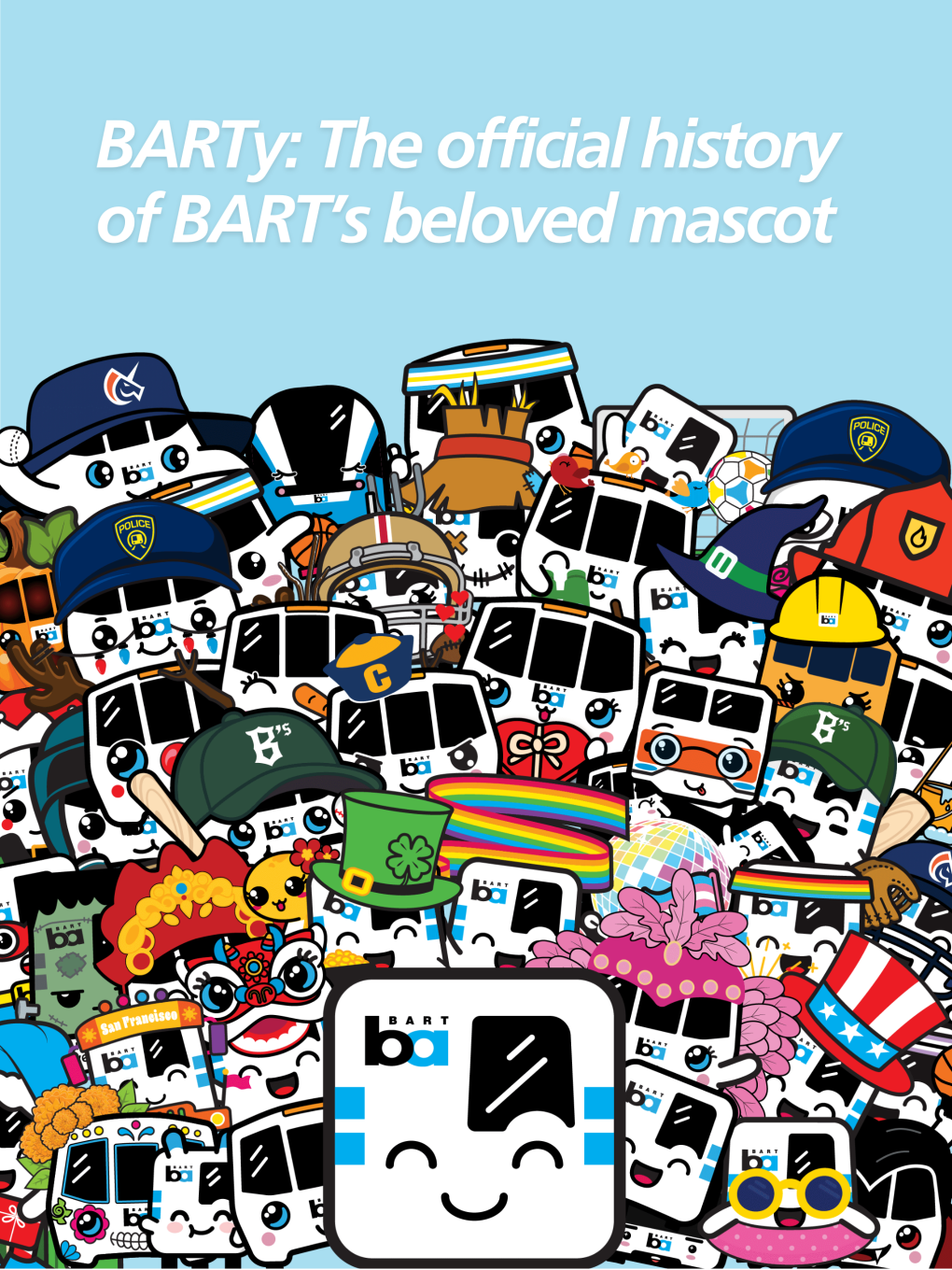
There’s a lot to love about BARTy.
BARTy is BART’s mascot, and if you live in the Bay Area, there’s a good chance you’ve seen the cartoon train out on the town (or on social media). It's got big dewy eyes, perpetually blushing cheeks, and a square head-slash-body. You can't miss the lil' guy and its smattering of accessories, be it binoculars, rainbow sweatbands, or a Ballers baseball cap.
Since 2019, BARTy has been appearing on BART t-shirts, stickers, graphics, and signage. There are now more than 20 iterations of the anthropomorphized train – sugar skull BARTy, cricket player BARTy, Frankenstein’s monster BARTy, etcetera.
But before all that, BARTy was a seven-year-old's sketch.
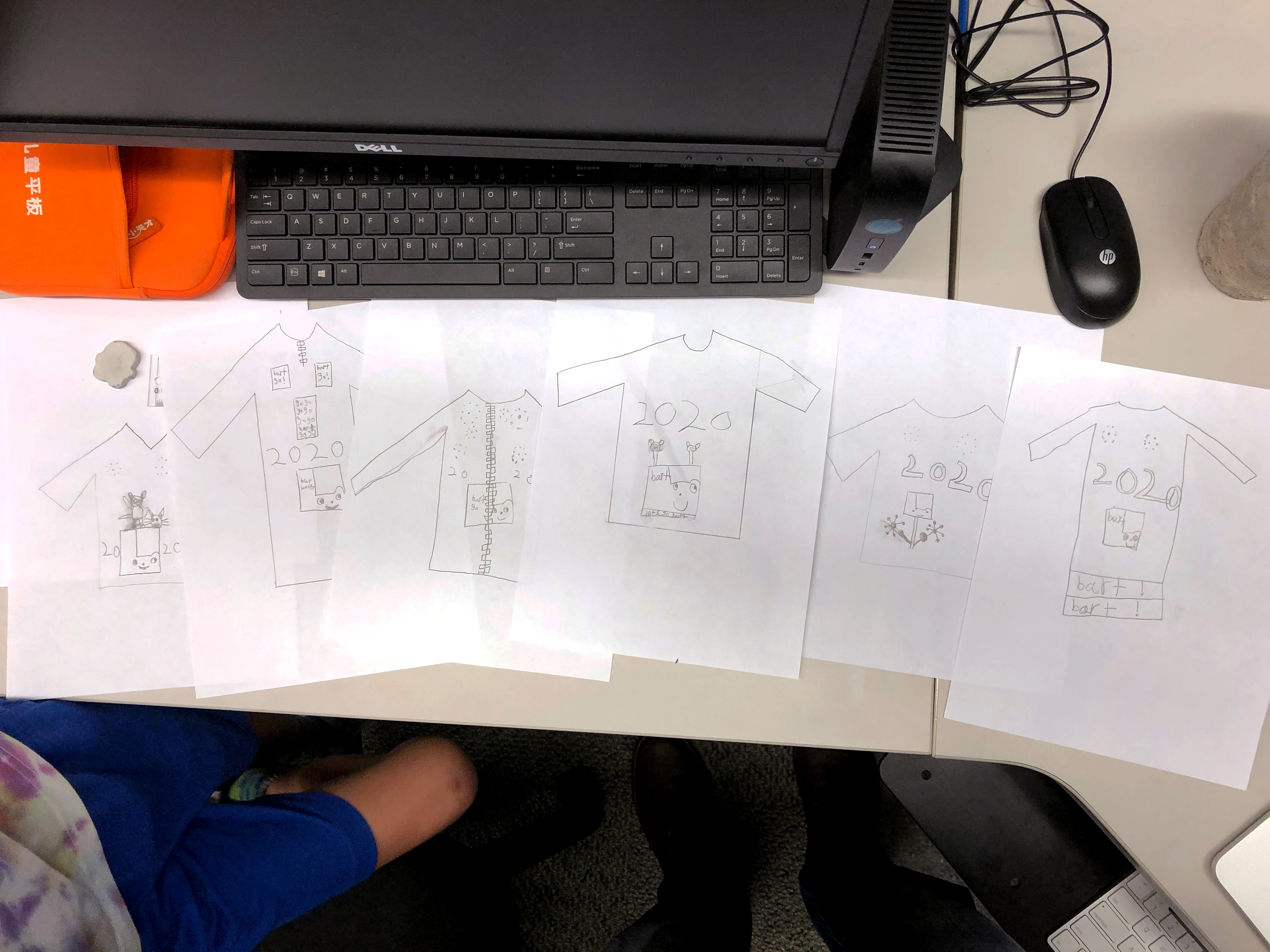
It was winter break in 2019, and BART graphic designer Joe Lash brought his seven-year-old son to the office with him. There was much to be done in the office that day, and Lash needed something to entertain his kid while he got some work done.
“That year, I was tasked with designing a t-shirt for employees to wear in the Chinese New Year Parade in San Francisco,” Lash remembered. “I was coming up with a bunch of concepts, and I said to my son, ‘Why don’t you draw some, too?’”
His son got to work sketching. Every one of his designs featured a square train with a smiling face, and because it was the Year of the Rat, the seven-year-old added a rat and cat “dabbing” on top of the train.
“That drawing didn’t make the final cut, but the square train design did,” Lash said. “That was the birth of BARTy.”
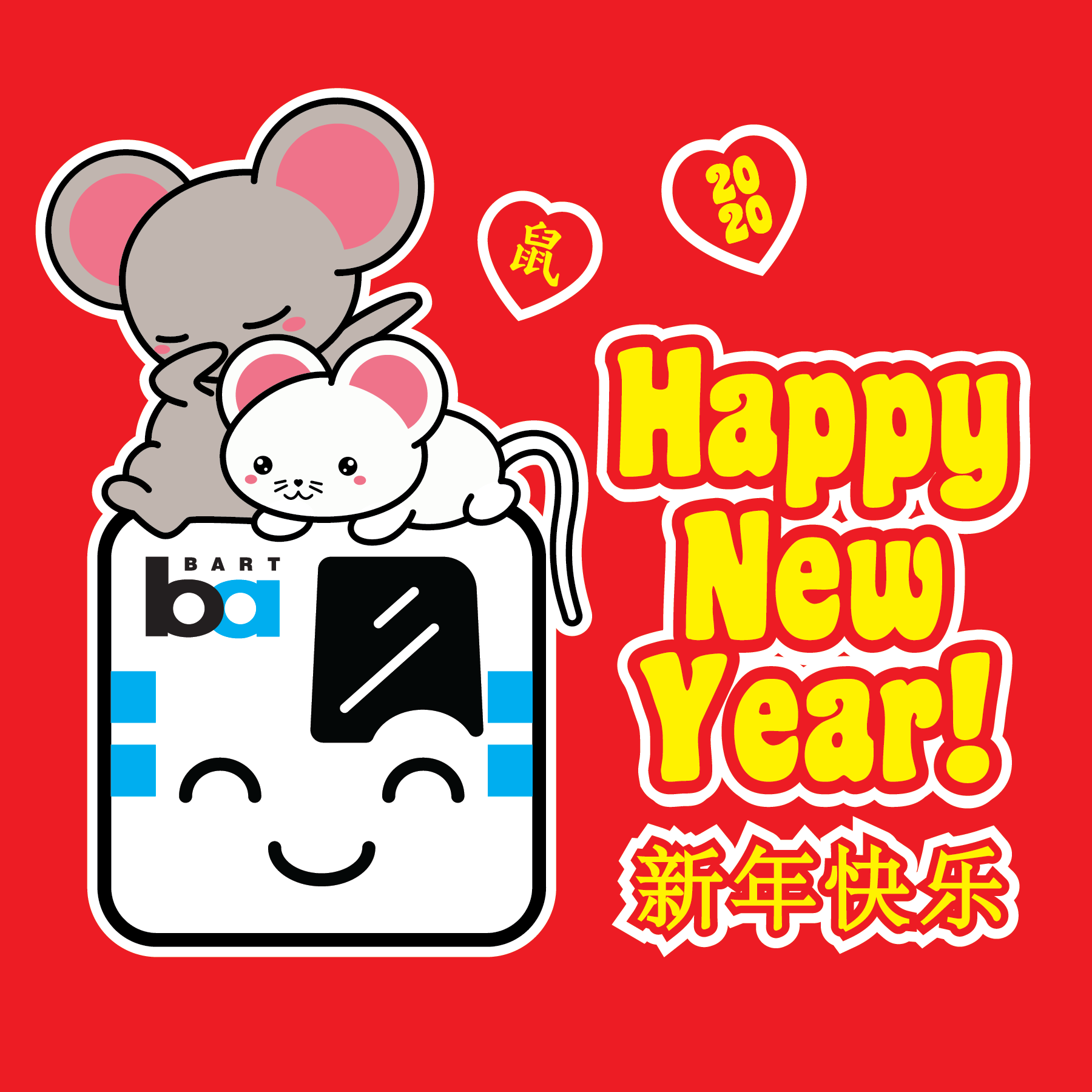
People loved those Chinese New Year t-shirts, so the BART Creative Services team decided to try the concept again for St. Patrick’s Day. Things went totally off the rails from there.
“At the time, we were thinking about designing a new BARTmobile, and I was working on various faces for it,” Lash said of the mini train that BART rolls out for parades and events. “I thought a kawaii-style face would be awesome for it.” Kawaii means “cute” in Japanese. It’s a popular aesthetic style that emphasizes adorableness and simplicity, often characterized by rounded shapes, big eyes, and soft colors.
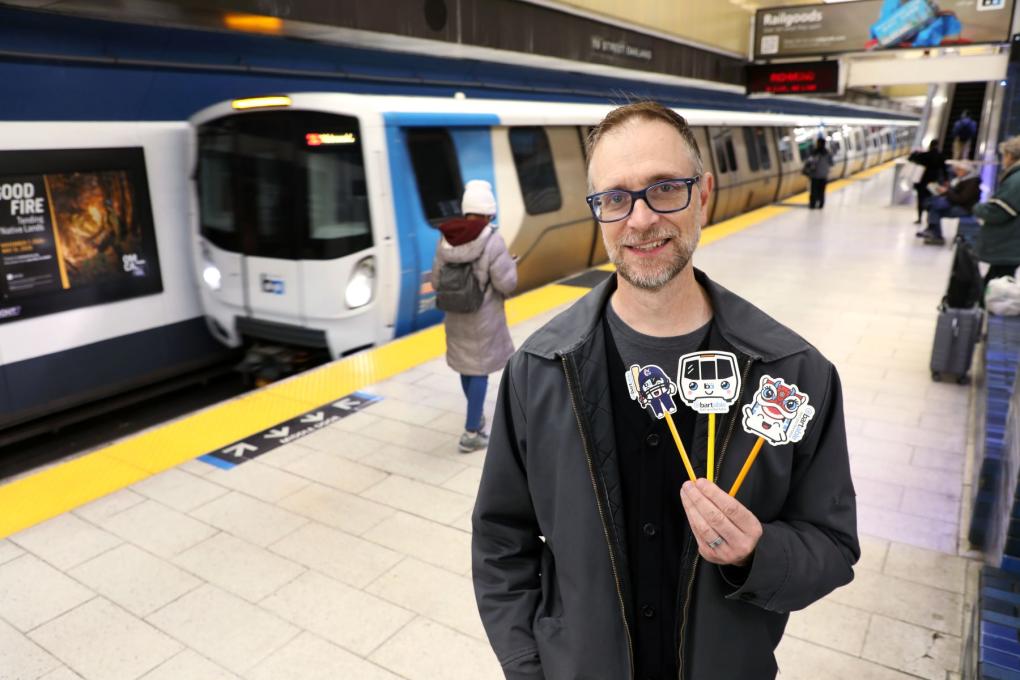
BART graphic designer Joe Lash with three "BARTys on a stick."
A new BARTmobile never came to be, but the facial concepts Lash designed for the vehicle stuck with him. And got stuck on BARTy.
In the years since its conception, every BART graphic designer has created many BARTys for many occasions. Part of the appeal of the character is its adaptability. Fourth of July? Add an Uncle Sam hat. Pride parade? Make BARTy dance on a disco ball. Halloween? BARTy becomes a pumpkin.
Joe's favorite BARTys
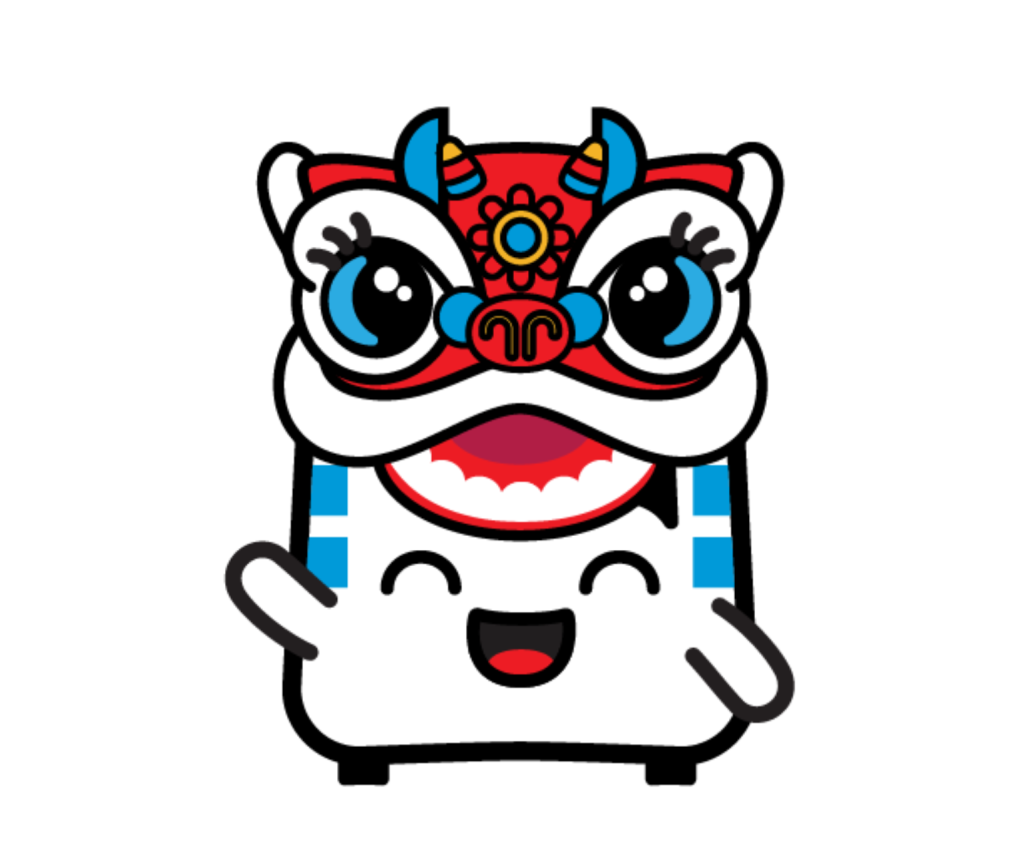
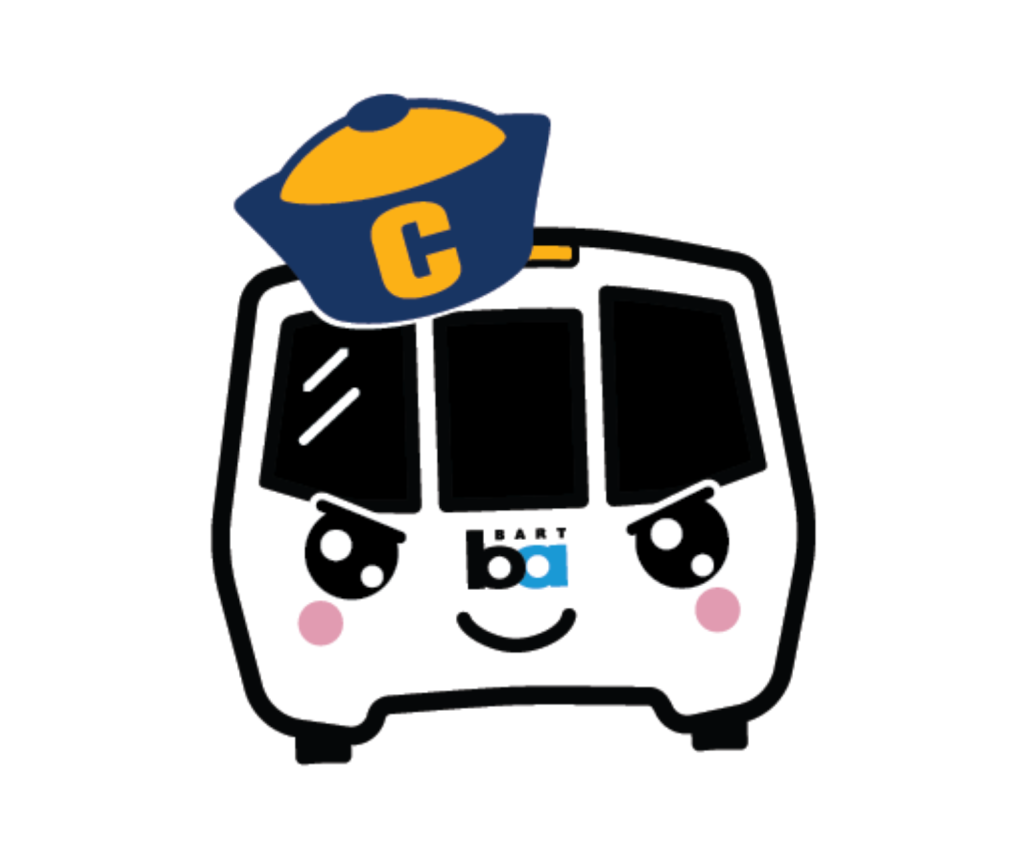
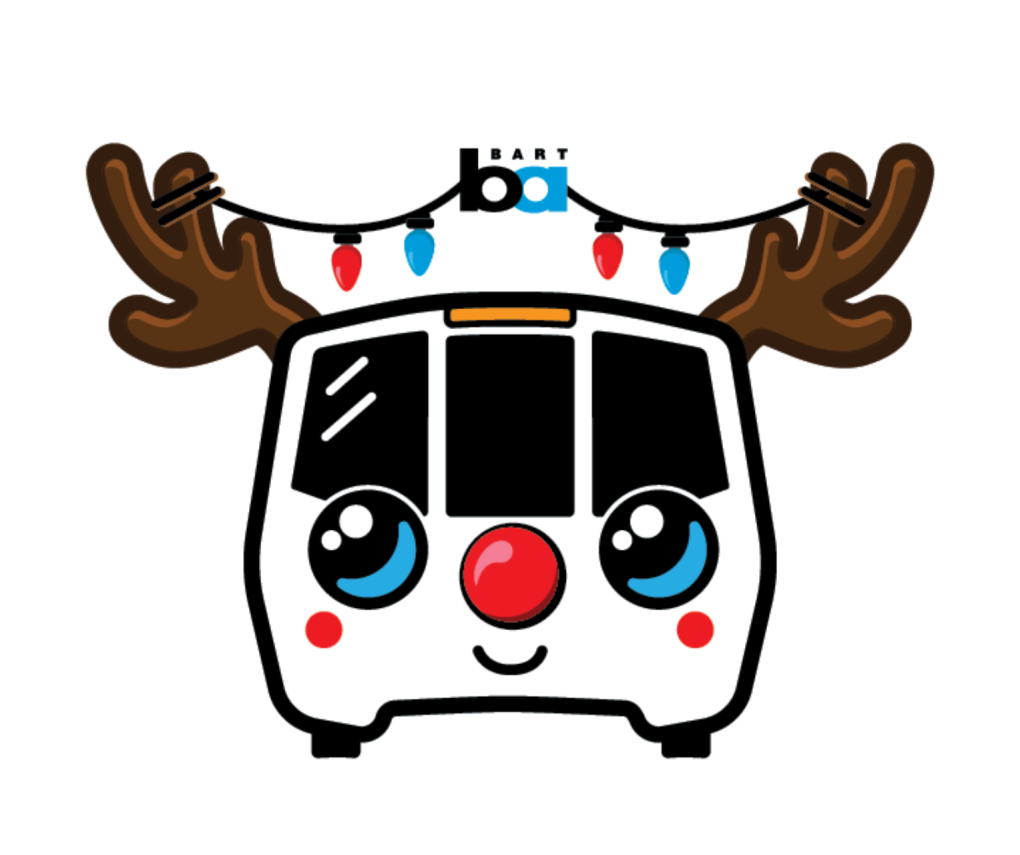
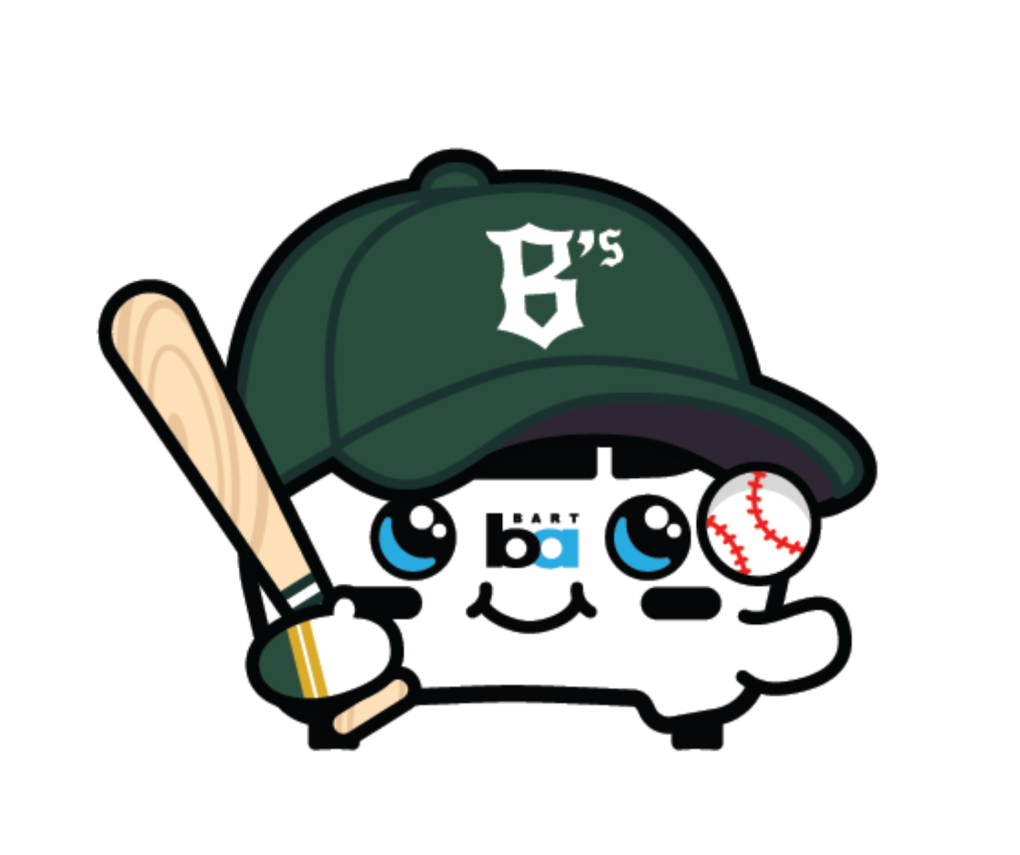
The character has taken on a life of its own. Sometimes, you’ll see BARTy in social media videos wandering the system on a stick (unlike BART trains, BARTy doesn’t have functioning wheels and require some assistance). Other times, you might find the cartoon on BART valentines or even informational ads on trains.
“BARTy really taps into what BART means to the Bay Area,” said BART Marketing Manager Roderick McFarland. “BARTy isn’t just BART, it’s a part of the community, every holiday, every celebration—from Lunar New Year to Dia de los Muertos and 4th of July to Hanukkah. It’s about being seen, acknowledged, and valued. BART employees come from every possible Bay Area community, and BART serves every community. BARTy is a playful embodiment of that relationship.”
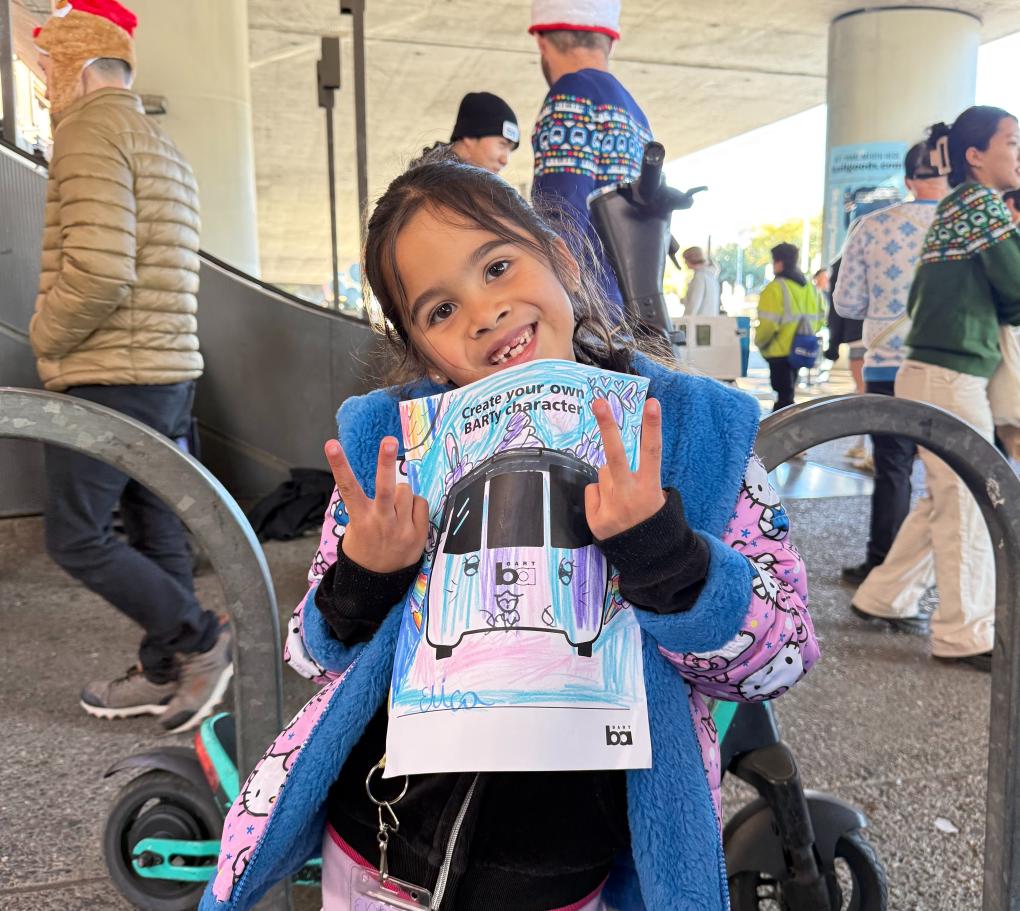
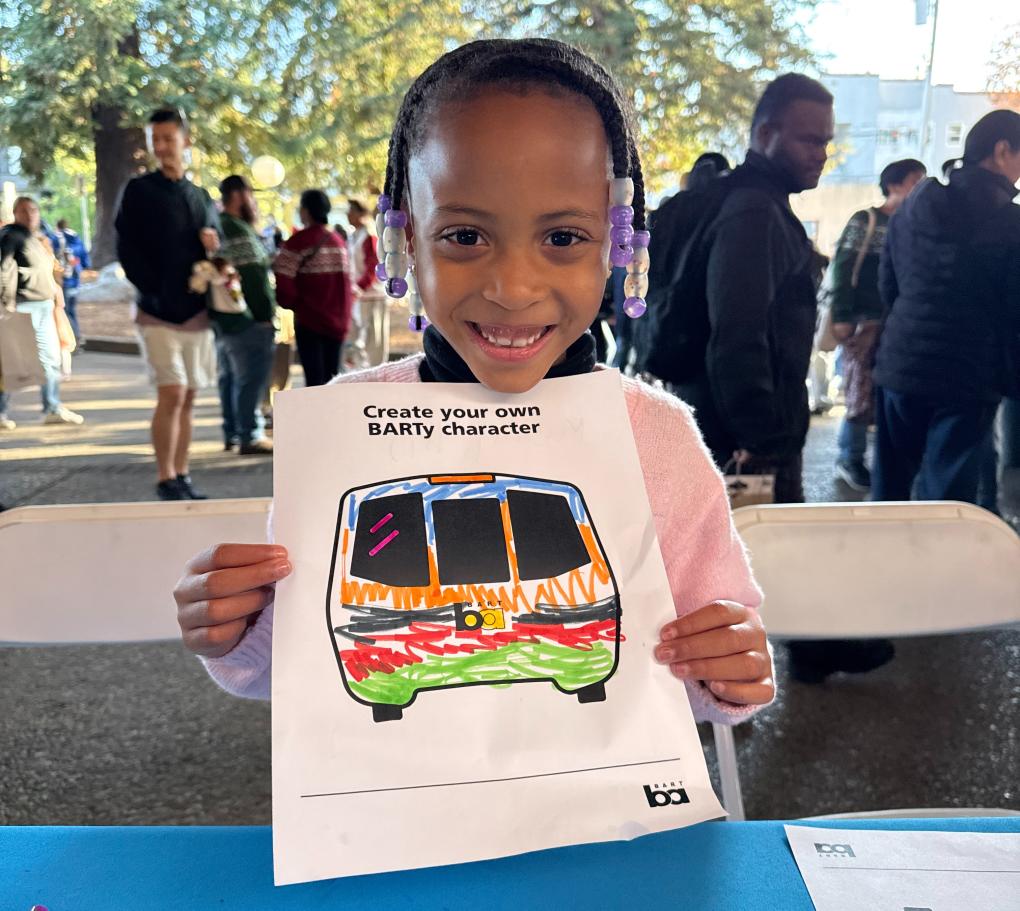
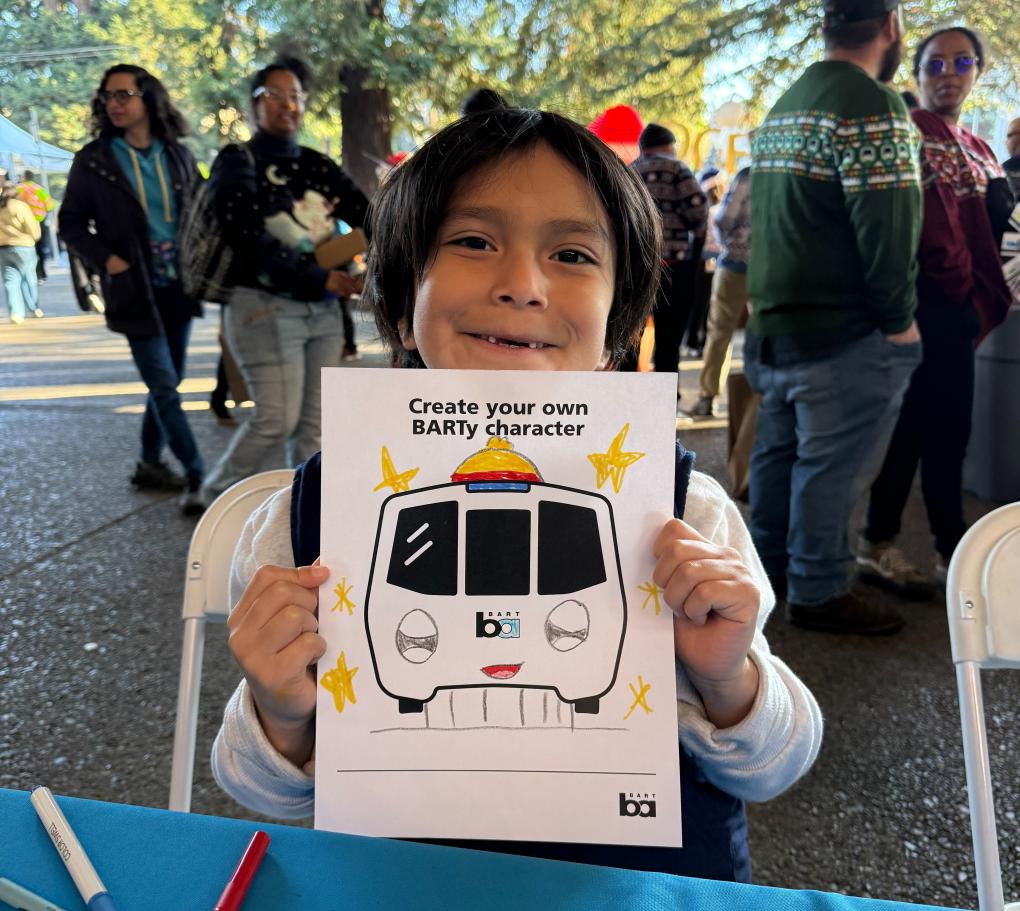
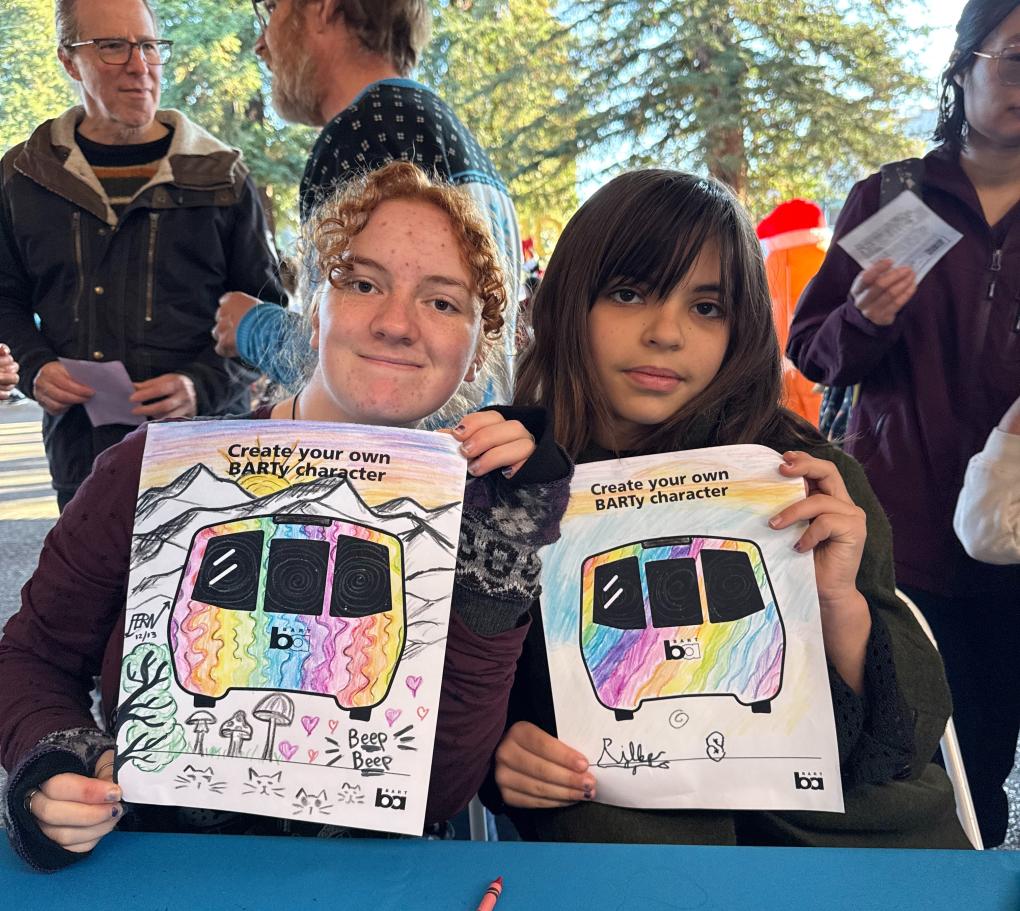
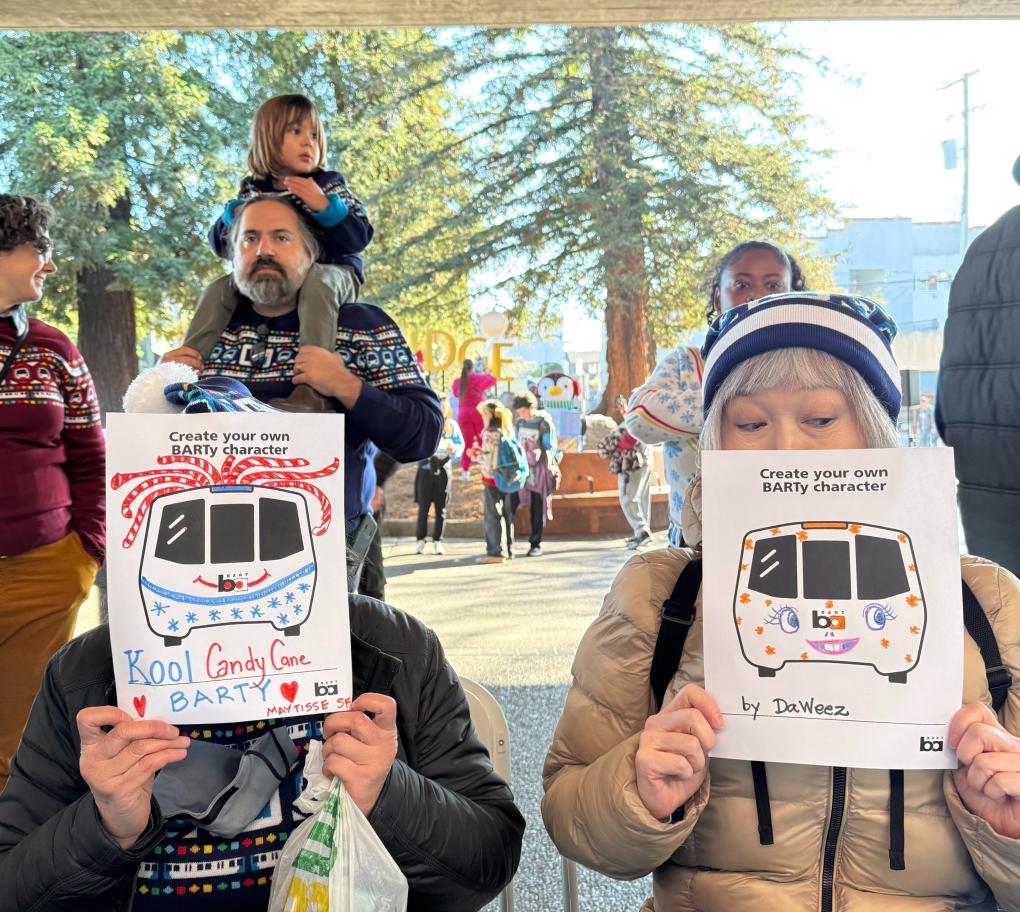
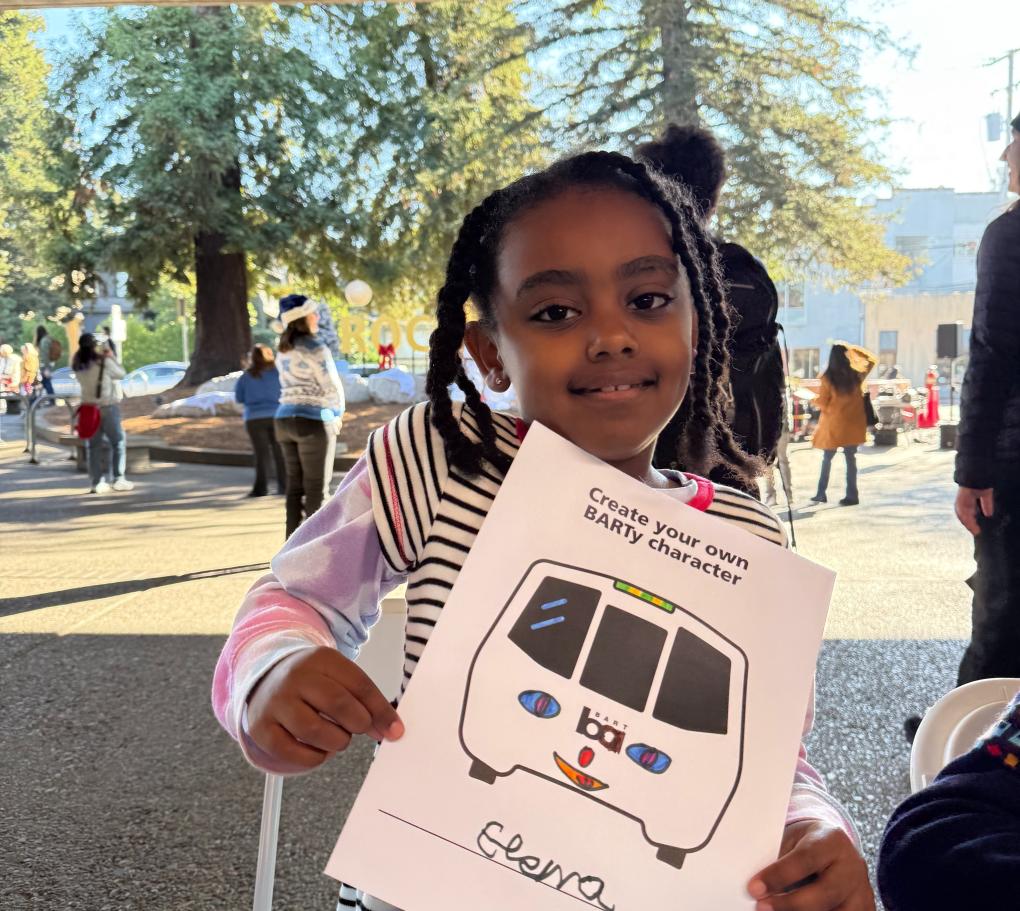
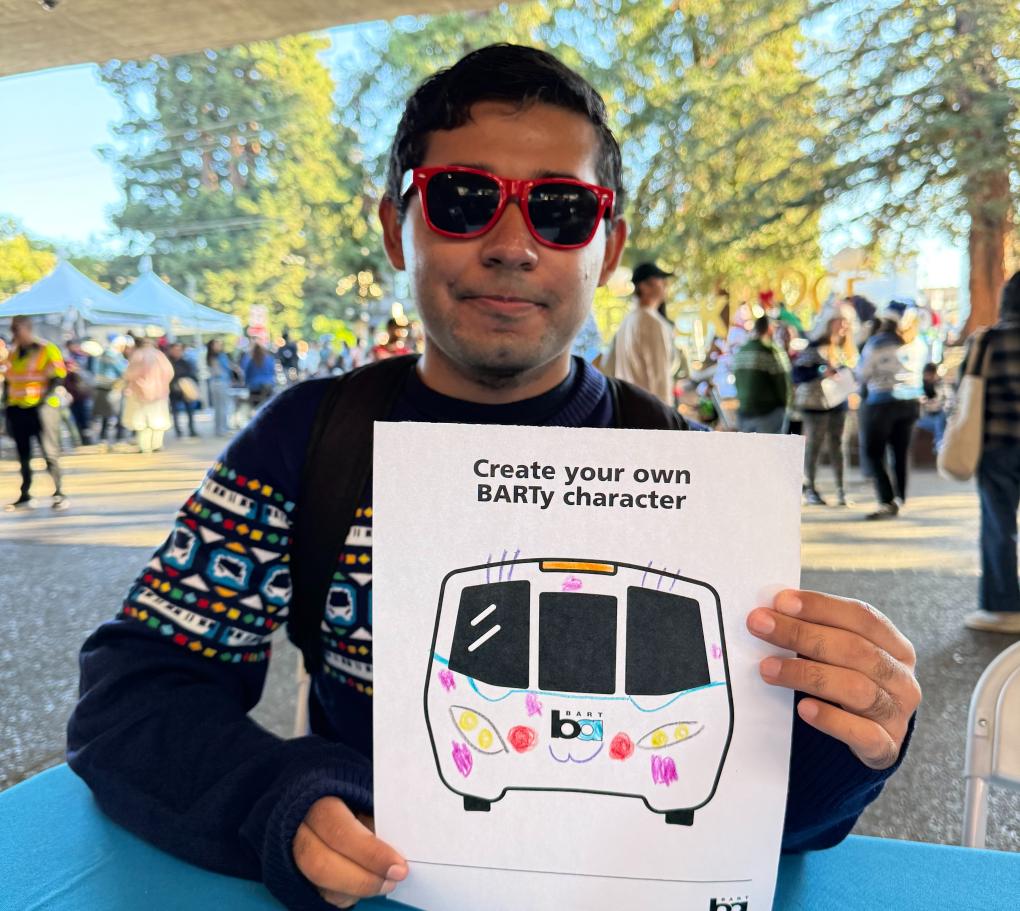
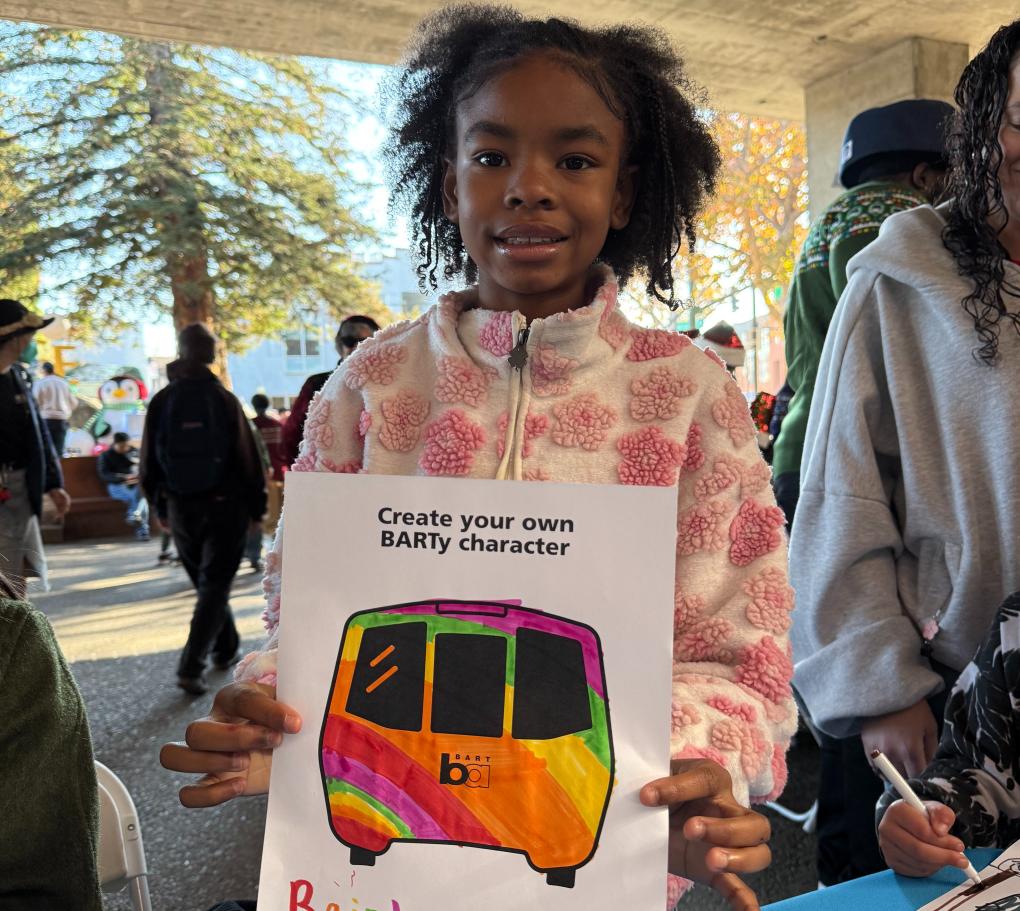
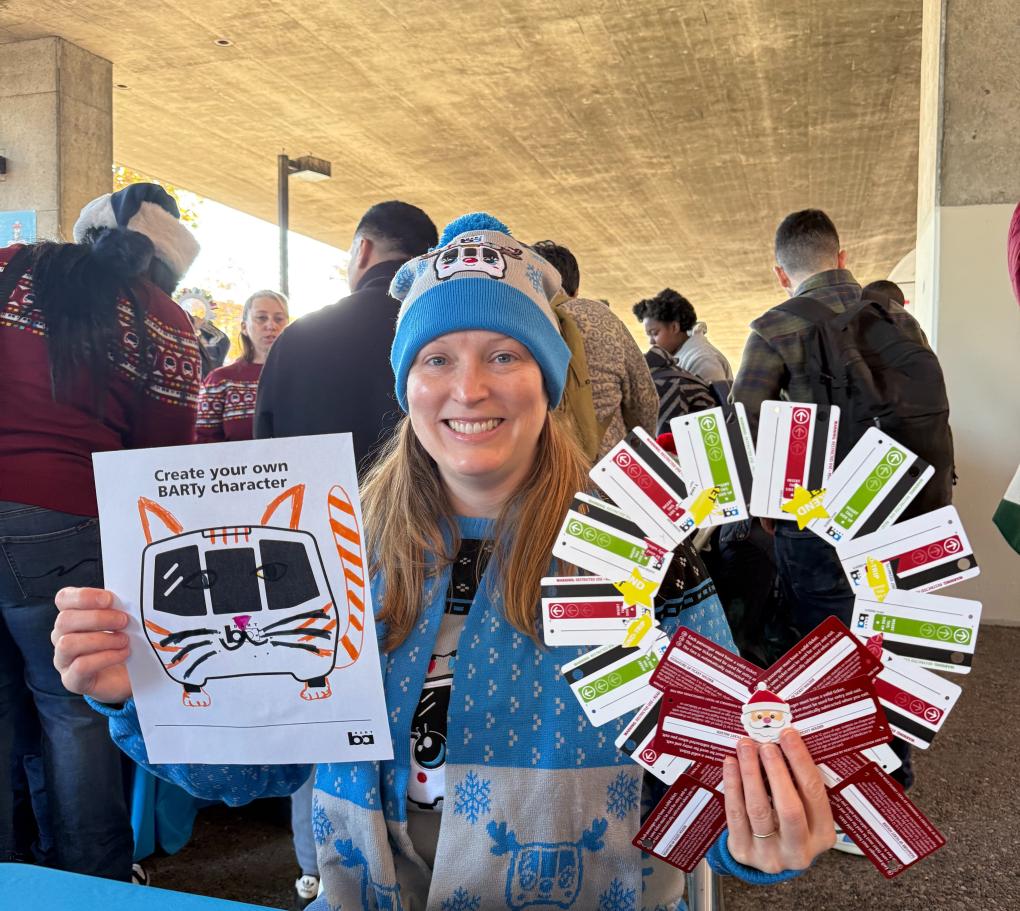
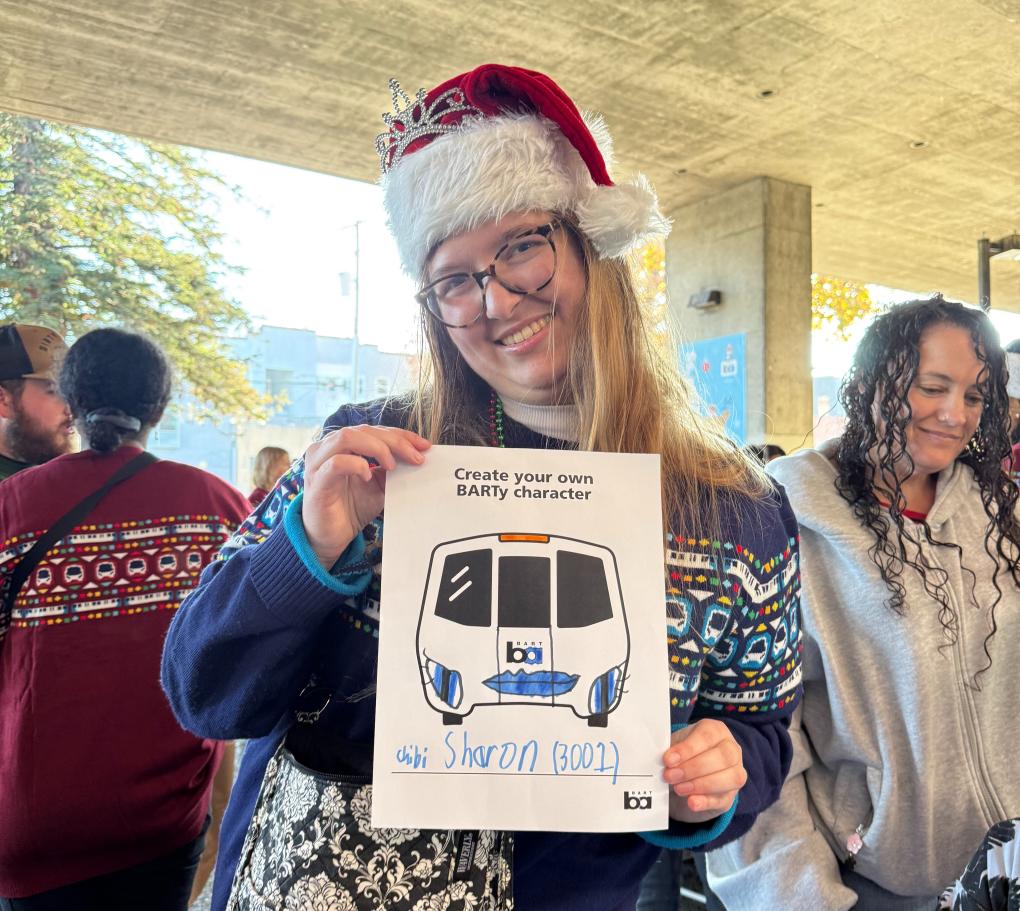
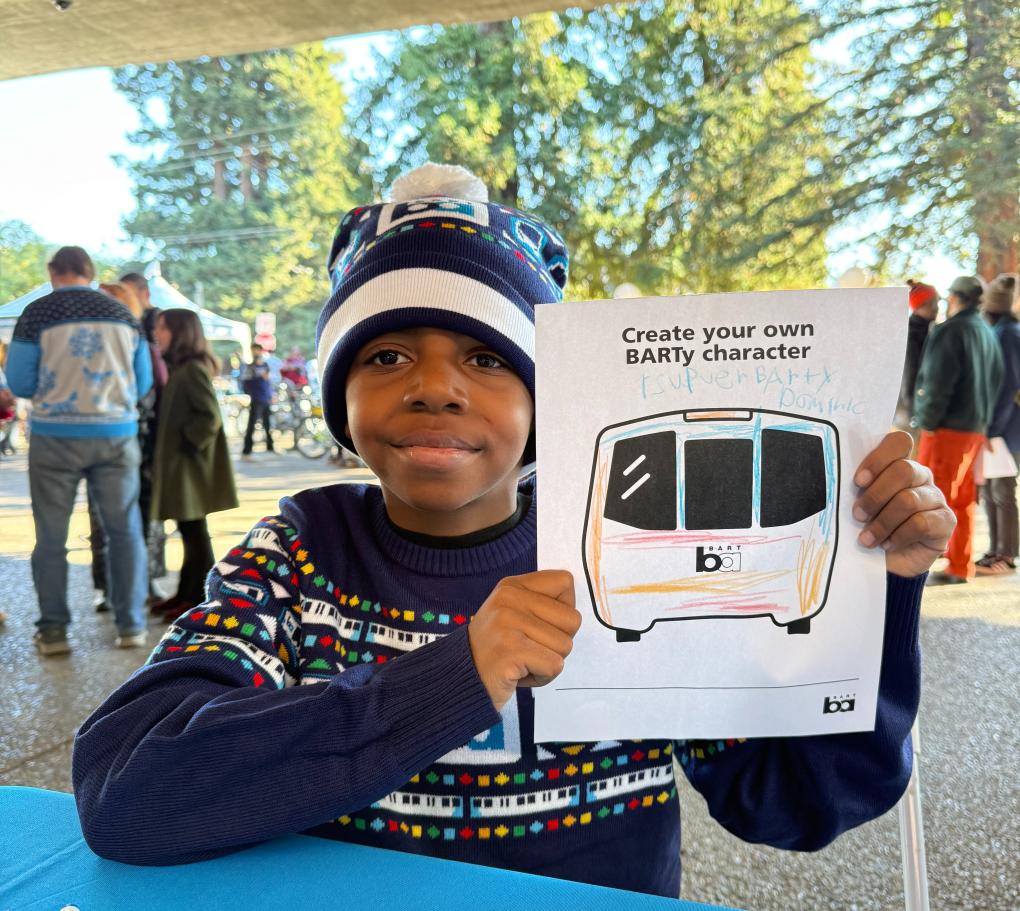
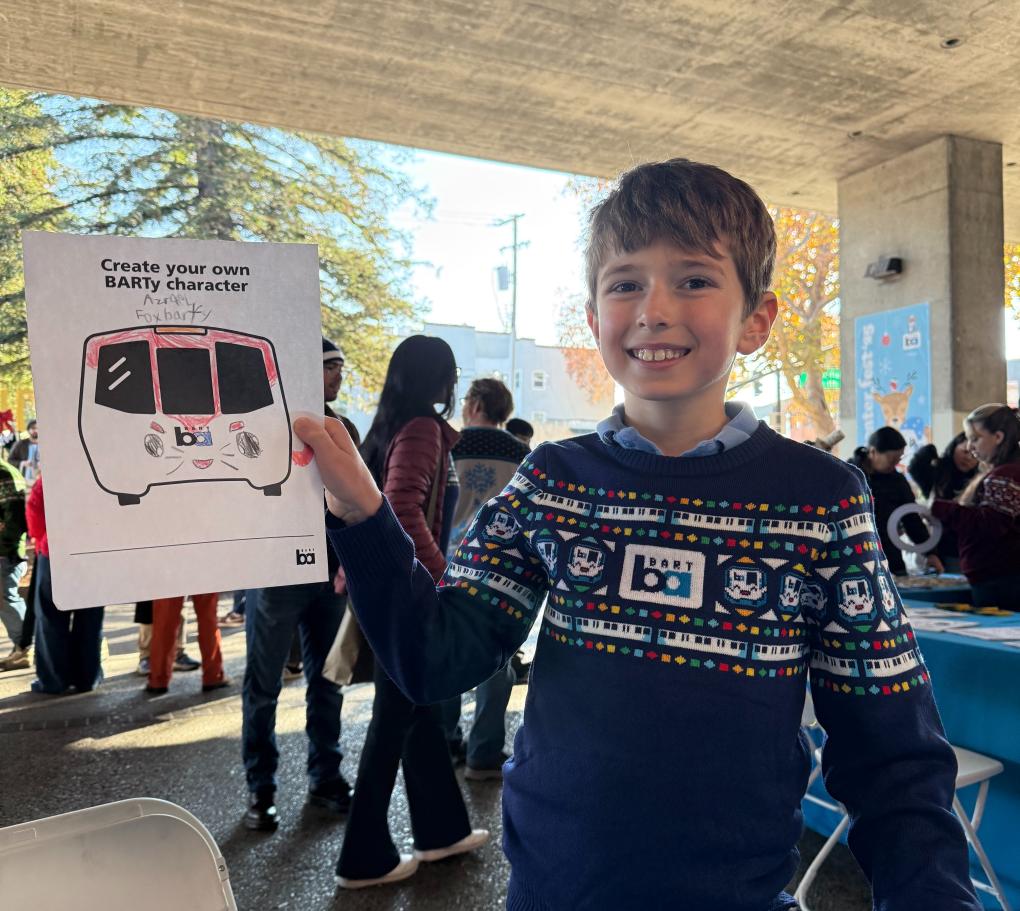
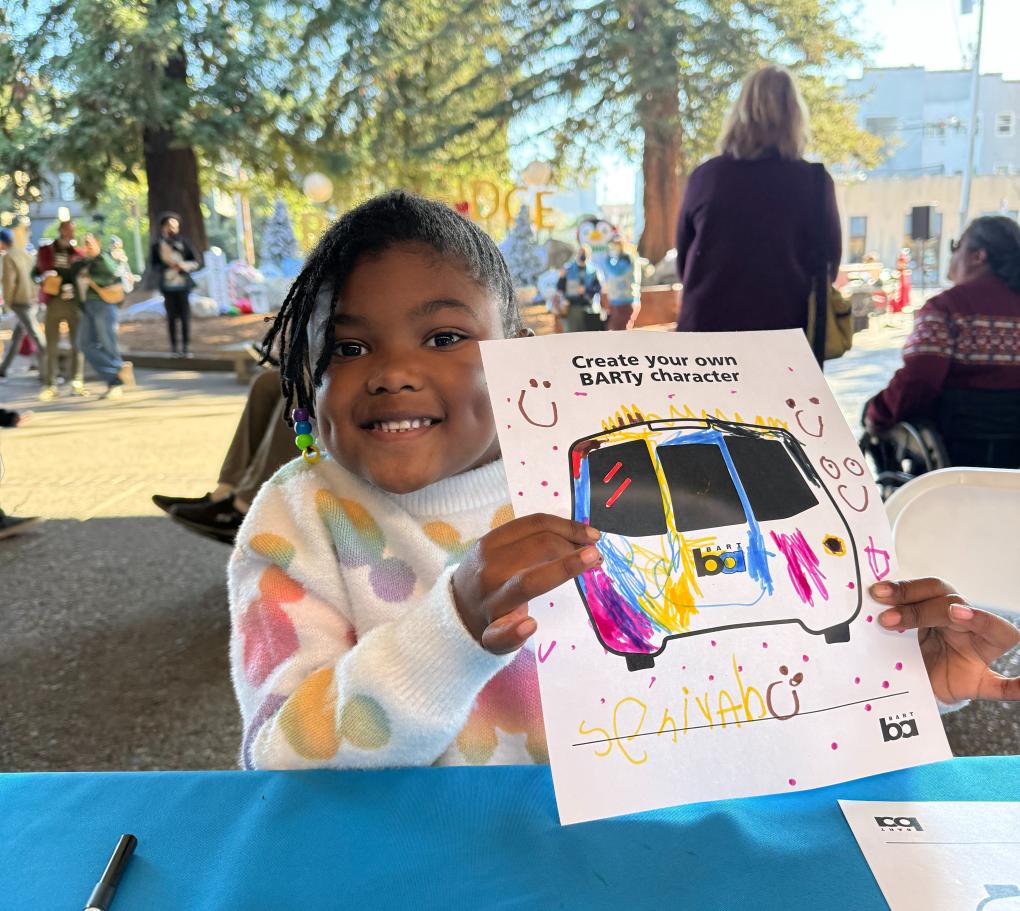
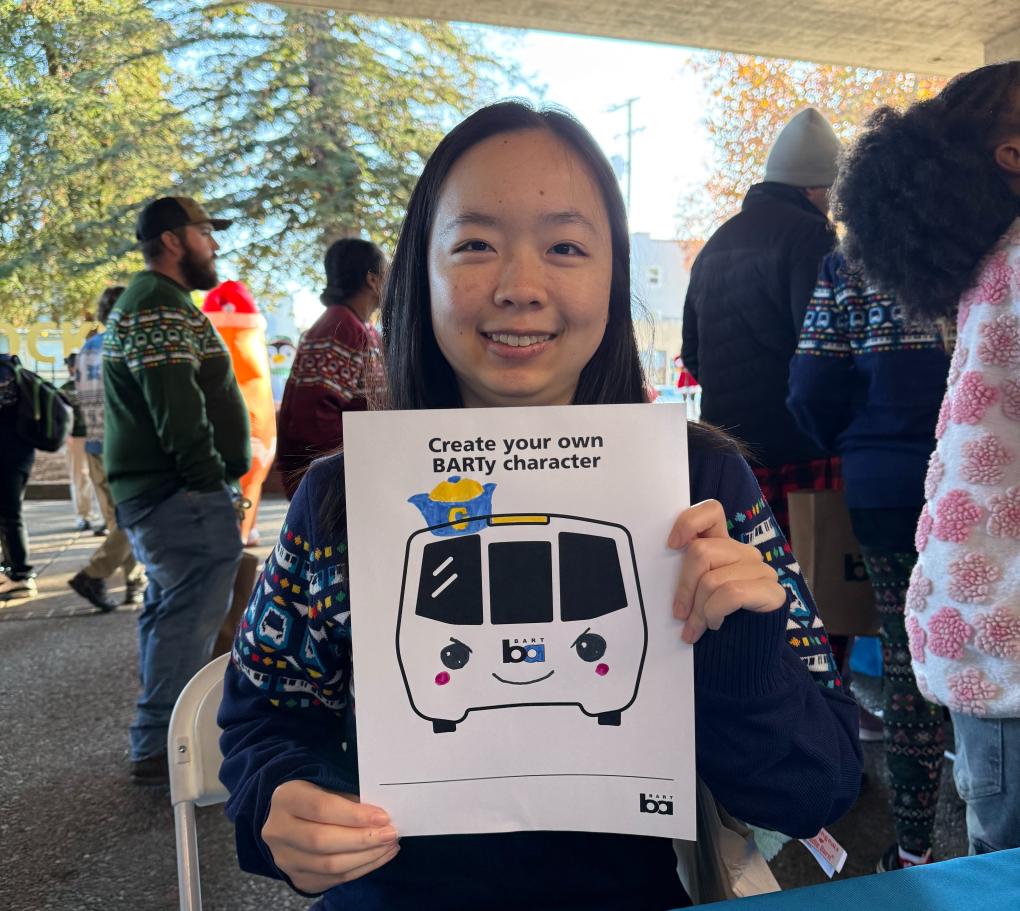
People outside of BART have run with the concept, too, designing their own versions of BARTy. We invite you to do the same by downloading this printable template. Share your drawing with us by tagging us on social media! Find some inspiration below from the BARTy masterpieces created by riders at SweaterFest '25.
BARTy masterpieces by riders
BART train screens now show major transit connections
The Passenger Information System on BART’s train cars is being updated to show major transit transfer connections at stations as part of a larger effort to make it easier for riders to navigate the Bay Area’s transit systems. The screens now also include the color of the BART line – not just the destination – to provide consistent information across all platforms and BART system maps.
Riders can now look at the six screens inside each BART train car as they approach a station to see major transit lines they can board nearby. The screens will not only show transfers to other BART lines at that station but also transfers to San Francisco Muni Metro light rail Metro trains, cable cars, and street cars near BART’s San Francisco stations.
Amtrak connections will also appear at Richmond and Coliseum stations, and riders approaching Embarcadero Station will see an icon for ferry connections.
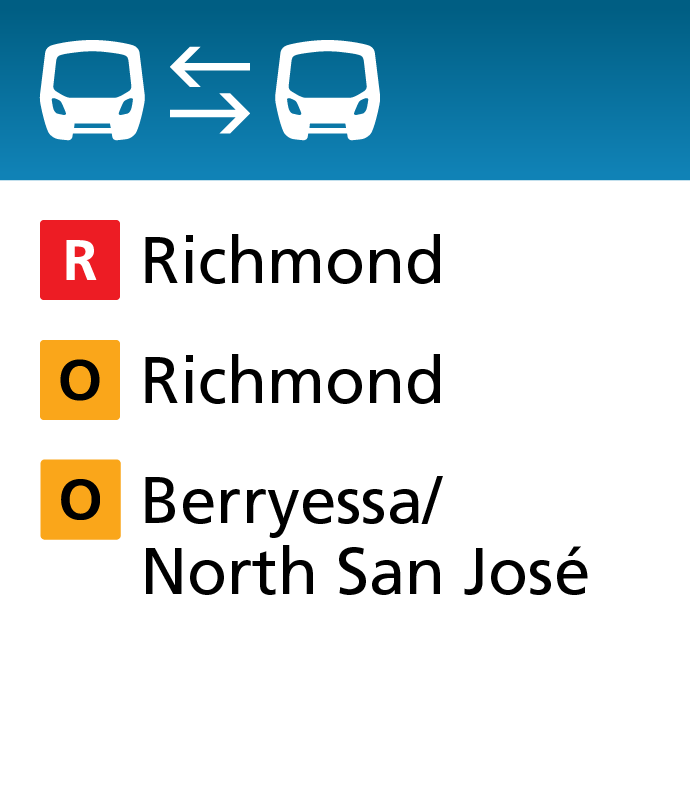
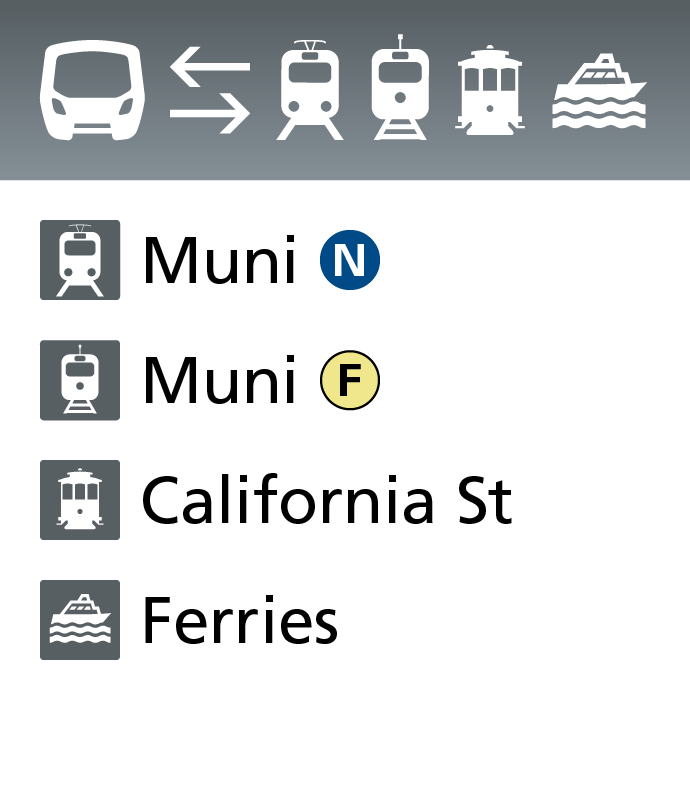
The screen update demonstrates how Bay Area transit agencies are acting as one network to better serve the Bay Area. The effort is also part of BART’s ongoing efforts to make navigating the Bay Area’s transit connections and transfers easier so that people can seamlessly move between systems. Transit coordination is a key priority for Bay Area transit general managers, who meet on a weekly basis to discuss how regional transit can become even more rider-focused and efficient.
Last month, BART, Bay Area transit agencies, and the Metropolitan Transportation Commission (MTC) unveiled new test transit maps and signs designed to help make transit journeys easier to understand for both existing and new riders by delivering information that is clear, predictable, and familiar across service areas and county lines.
By making maps, signage, and wayfinding easier to navigate for riders, we hope to improve the overall rider experience and boost ridership across the regional transportation network.