
Search Results
Joint statement from BART PD and the Independent Police Auditor on the killing of George Floyd in Minneapolis
BART Police Chief Ed Alvarez and BART Independent Police Auditor Russell Bloom have issued the following joint statement: The BART Police Department and the Office of the Independent Police Auditor stand together in denouncing the killing of George Floyd while in police custody in Minneapolis. His death was
US Senator Alex Padilla and San Francisco Mayor London Breed tour BART’s Powell Street Station as Transit Ridership Rebounds
On April 12, 2022 U.S Senator Alex Padilla (D.-Calif.) and San Francisco Mayor London Breed joined leaders from BART and San Francisco Municipal Transportation Agency (SFMTA) at Powell Street Station to see firsthand the benefits of American Rescue Plan emergency funds and the potential for upcoming
I was one of the first female train operators at BART. This is my story.
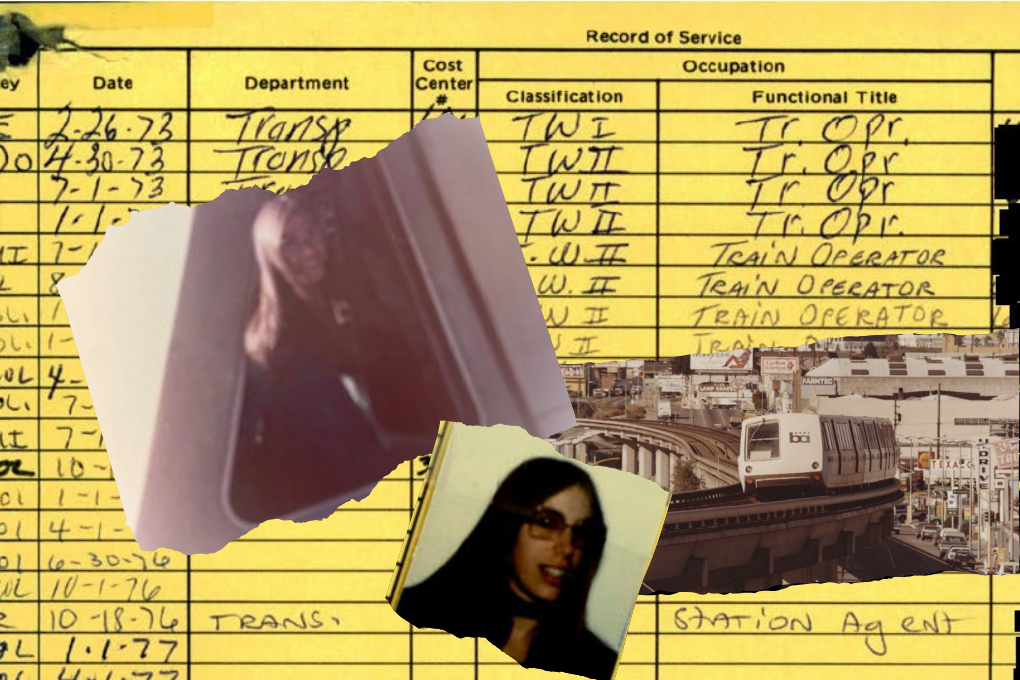
Susan Lynch's BART employee file from the 1970s, overlaid with a photo of her in a BART train cab (left) and the polaroid attached to the file (right).
A note from BART Communications:
Susan Lynch was one of just a handful of female train operators working at BART in 1973, one year after the system opened for service. After graduating from Mills College, Susan decided to apply for the role because “it sounded super sci-fi and a great job for someone who loved to travel."
Being a woman in the workforce in the 1970s was challenging everywhere, and in her years working at BART, Susan said she was no stranger to adversity because of her gender.
Susan said the experience instilled in her compassion “for all women working in non-traditional jobs.”
“Being a woman in the workforce is much more acceptable now than it was in 1972, but there’s certainly still a glass ceiling and discrimination in many workplaces, and I can empathize with all people facing that discrimination,” she said.
After years working in the film industry and administration, Susan, now retired and living in Venice Beach, said she’ll never forget her experiences as a BART train operator and later as a station agent.
Reflecting on the experience five decades later during Women's History Month, she said, “I am proud of myself for going after something I wanted, and I really believe that the future of our society is tied to the future of mass transit. I remember when I rode BART all the time what a feeling of freedom I felt – to be able to travel so far, in comfort and in style.”
Below, Susan shares some of her BART memories – the triumphs and the challenges – in her own words.
I was one of the first female train operators at BART. This is my story.
By Susan Lynch
I spent my junior year in college abroad in Stockholm, Sweden. The highlight of that six-month period, in addition to playing in a rock band (and learning how to smoke hash mixed with tobacco in a chillum pipe) was my growing fascination with trains. I lived in a suburb of Stockholm in a small studio apartment, which I rented for sixty dollars a month. I experienced the joys of commuting by Tunnelbana, or the subway. My twenty-minute excursion each way was mind-boggling because about half of the subway drivers were women! Who would have imagined that in 1970, women could be allowed to drive trains!
When I returned home, I finished my education at Mills College, then a women’s college, where I had learned that I had as much right to a meaningful job as a man did. I was floundering, working mindlessly as a waitress at the St. Francis Hotel in Downtown San Francisco.
Then I managed to join a film-acting workshop taught by a group of socialist filmmakers. They were part of a political collective called “Cine Manifest.” I was already politically sensitized – a card-carrying protester against the war in Vietnam and a bra-burning feminist. But after joining the group I was more determined not to stay in a dead-end, “ok-for-chicks” job. I totally embraced “workers of the world unite” and wanted to impress my sexy comrades.
I’d been reading about the new Bay Area Rapid Transit System that was building a railway in the Bay Area. I remembered how joyful I had felt in Sweden with the female subway drivers, so in 1973, I applied for a job as a train operator. Part of my desire to drive a train was my genuine love of trains and travel, but a much greater stimulus was to rebel against my parents and my upper middle-class upbringing. I wanted to smash my good girl mold and remake myself into Rosie the Riveter!
I submitted my application to be a train operator, and lo and behold, they offered me the position! Most of the classes before ours had been made up of former bus and train drivers – union members. Female train operators like myself were few and far between, and in 1973, I was one of the first women in the role.
The women train operators had a strong sense of comradery and offered each other support because we were combating hostility and harassment from our former teamster colleagues. Their point was we could do the job, but no way should we be paid the same. After all, we weren’t supporting families.
The physical requirements during our training were quite stringent. We needed very good upper body strength. Part of the training was to lie on the floor of the train car, hang out the open door over the edge, and push down on a t-mechanism to manually unlock all the doors in the car in case of emergency. It was touch and go, but we all passed and were full-fledged train operators.
During training, I walked under the San Francisco Bay through the Transbay Tube. The tunnel wasn’t yet completed, so we were shown how it was structured to be highly pliable during an earthquake. I must say, I had to overcome some trepidation and claustrophobia going down there, but once there I felt very safe. I was relieved that I’d be safer during an earthquake on a train in the tunnel than above ground.
After graduating from training, and because I was the lowest on the seniority ladder, one of my few options was a night shift out of Hayward Station as a test driver. Since I still wanted to go to my film-acting workshop, I chose a shift where I worked from 8 p.m. ‘til 4 a.m. with Mondays and Tuesdays off.
I loved being a test driver in 1973, mainly because I was in control. We did reliability testing – driving the trains back and forth for hours on end, making sure that they wouldn’t fail. I would work with the engineers who were designing the cars, which allowed me to use my brain and my problem-solving abilities.
My car at the time was a Citroen DS19 and driving home at 4am on the empty freeway was exhilarating. One night there was a car tailing me. This often happened – a weirdo would notice that an attractive young woman was driving alone in the middle of the night and tail me. I was trying to avoid this guy, driving eighty, when the cherry lit up and the cop pulled me over. When I showed him my ID, I also pulled out my BART ID. I told him I’d been driving trains at eighty miles per hour all night, and it was a challenge to slow down. He asked me for the number of the HR department so his daughter could apply for a job driving trains, tipped his hat, and let me go. I had clearly chosen the right profession.

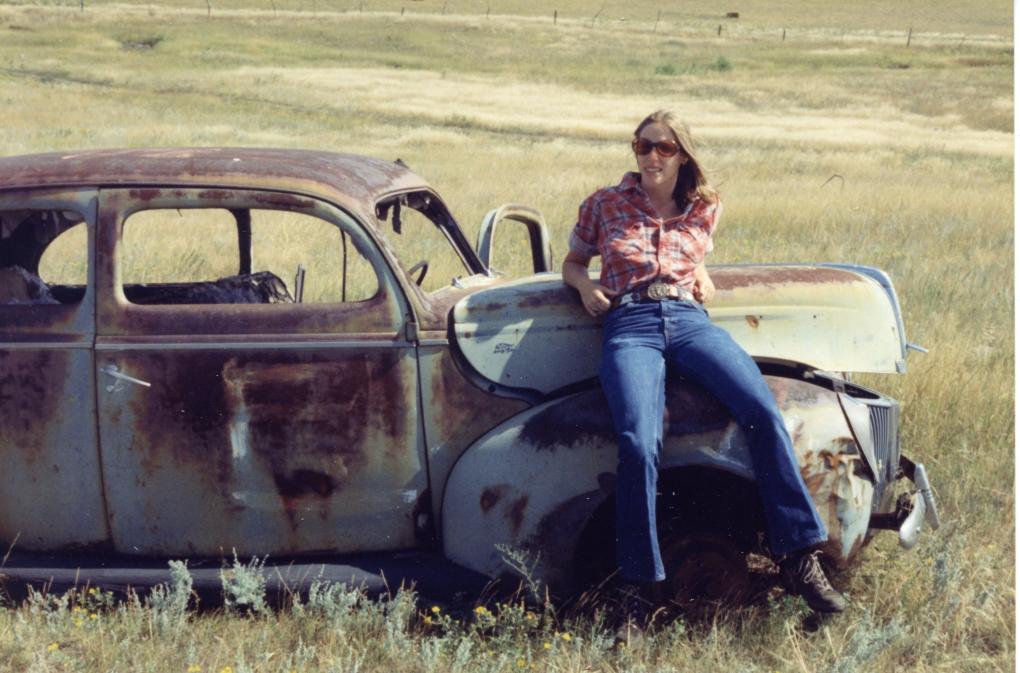
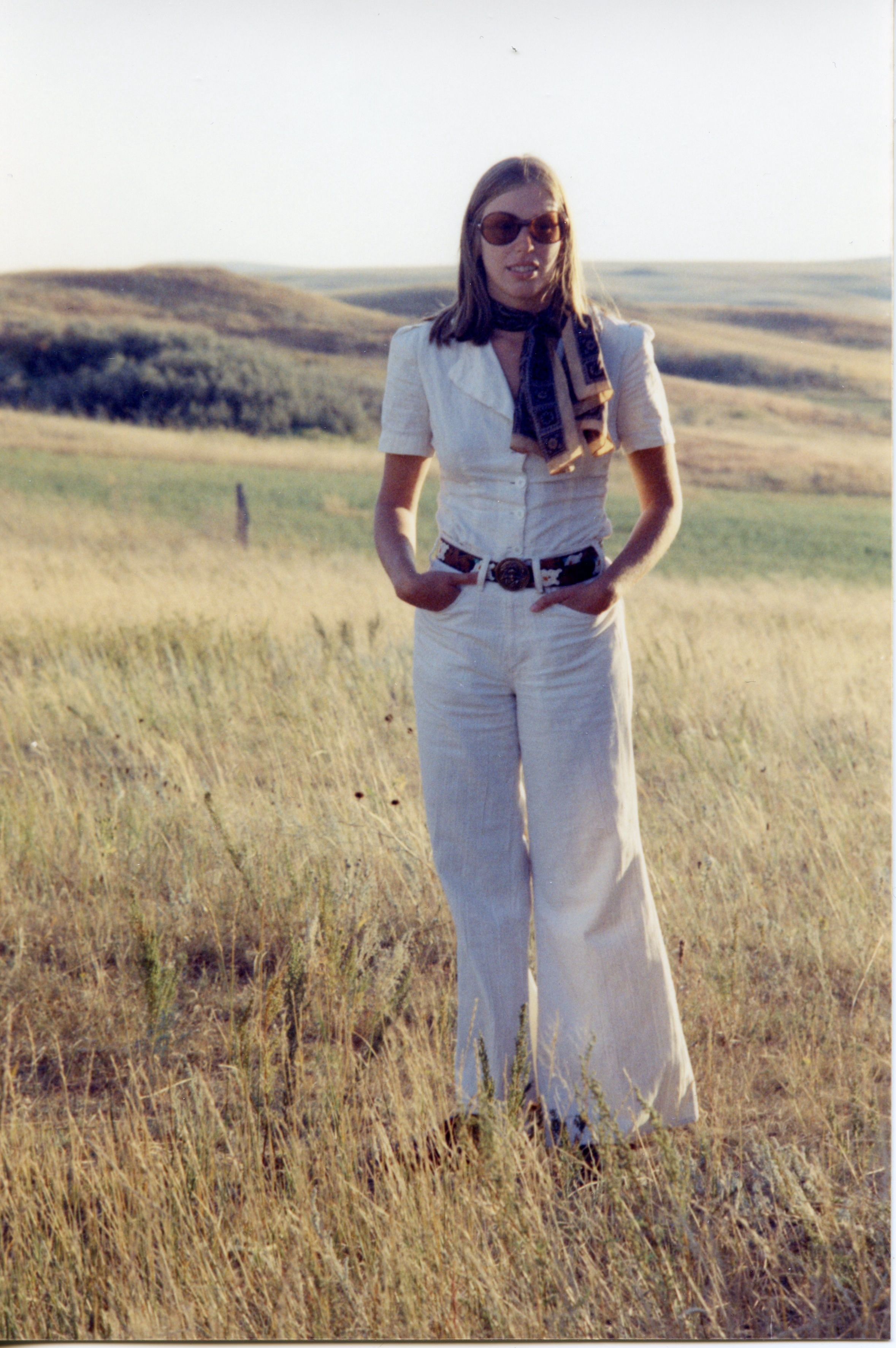
Susan Lynch pictured in the 1970s.
My male coworkers’ response to me was very hostile. Because of this, I felt I had to be just like one of the guys, so my personality took a dramatic shift, and I came to work in a flannel shirt, distressed jeans, army boots, and a leather bomber jacket. My mouth became so filthy that every other word was “f---- s---.”
It wasn’t me, but at least it kept the boys from coming onto me. I felt intimidated when they verbally attacked me, and my newfound bravado made me feel safer.
As my seniority increased, I got a day shift and starting work at 7am. Often, as I leaned out of the window in the station watching that the doors didn’t squash anyone, a man would come up to me and say, “Sure a little lady like you can handle a big train like this?” It was aggravating and mind-numbing.
After a few years in the job, I decided it was time to hang up my train operator hat. My great experiment in being a foul-mouthed worker had failed, but the failure allowed time to drive to research the film I wrote and starred in, Northern Lights. But that’s another story.
After my star turn, I realized I missed the excitement of BART – the hustle and bustle of the stations, the trains that whooshed through the tube at 80 miles per hour, and most of all, my feminist comrades. So, in 1976, I decided to apply gain – this time for the role of station agent, most of whom were women back then. It was my final farewell to my days as “one of the guys.”
In the end, my time at BART helped me find my true calling. I learned that I’m very strong and determined, and that I can handle adversity with resilience and, most importantly, a sense of humor.
My message to women still fighting for equal treatment in the workplace is this: It’s hard, but certainly worth fighting for. Many of us were pioneers that helped the road run a bit smoother for future generations. And I want women today to know that the feeling of pride and self-determination that will come out of the endeavor will be worth everything.
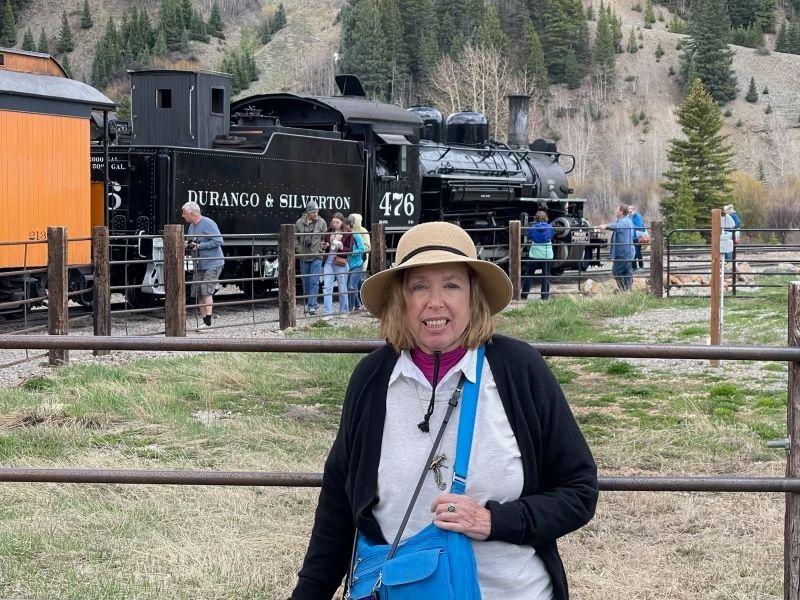
A recent picture of Susan Lynch with the D&SNG No. 476 steam locomotive.
Podcast: BART’s Inspector General is asking tough questions and saving taxpayers millions of dollars
(Transcript below)
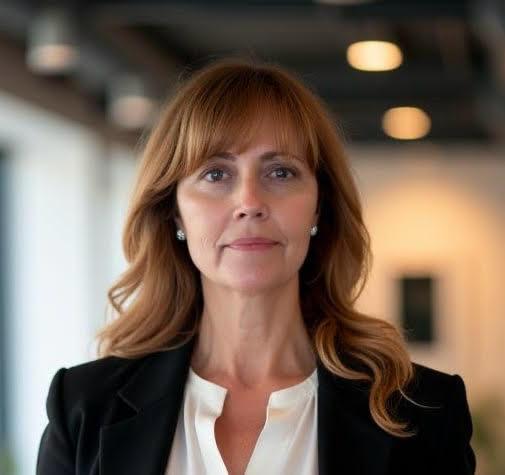
FILIPPI: BART’s independent watchdog is producing results for riders and taxpayers. The Office of Inspector General plans, directs, and manages oversight of all BART District activities and operations. The goal is to ensure BART is using its resources effectively, following industry best practices, and complying with the law. On this edition of “Hidden Tracks: Stories from BART,” we’re joined by BART’s Inspector General Claudette Biemeret who was appointed by Governor Gavin Newsom to lead the team that provides independent oversight for BART. Claudette. Thanks so much for joining us.
BIEMERET: Thank you, Chris. I'm really excited to be here. This is a first for me and I really like this opportunity to be able to talk about what the OIG does and what independence means to me. So thank you so much for having me.
FILIPPI: Yeah, and let's start right there. Set the scene for us for the Inspector General's Office. How was it created? What does it do?
BIEMERET: Thanks for that question. So, it was created through Regional Measure 3, I think back in 2018 I want to say, and it was part of, Senator Glazer's goal to ensure that if BART was going to get additional funding through that measure, that it would also then have independent oversight through an office of the Inspector General. And that is how we came to be.
The first Inspector General, Harriet Richardson, who came in before me, first started working in August, I think 2019 and we've been hitting the pavement ever since and moving forward with fraud, waste and abuse investigations and most recently getting started on some of the audits on our audit plan.
FILIPPI: Certainly very busy. You and your team are looking at how BART does business. You're identifying areas that need improvement and recommending changes. Do you have an investigation that your team has completed that you are most proud of because it resulted in major savings for the taxpayers?
BIEMERET: I think I'm proud of all of them, to be fair. But I think the ones that hit home the most for me are the ones that tackle the time theft, and the reason why is not only because of the money that it recoups for the for the District, but I also feel when these complaints come to us, they come from fellow employees, right? Like that's where they're coming up. The only way we could find out about that kind of stuff. These are folks who come to work every day, work really hard, and they see this happening, and it's frustrating for them, and they feel like they're not being heard or supported or whatever it is that they're feeling. And so for us to come in and be able to alleviate that from them, so that way they can come to work and feel better, not be frustrated means a lot to me.
One of the things that I think people forget when it comes to what we do, is we joke like, yeah, I'm the person people don't want to see coming, right? We joke about that kind of stuff, but we are actually here for the employees as much as we are here for other stakeholders like the public and the Board of Directors, like we want to make sure that their interests are protected. So, those are the types of investigations I always feel really good about.
The other thing that I feel very, very proud of was the report that we did, I think it was in December of 23. Don't quote me on that, because every day just jumbles into one day for me at this point. It was about some contractor, misappropriation, False Claims Act. We did a very high level report on that and, just a quick side note, will be releasing a much more in-depth report here pretty soon.
But, in that report, we had a recommendation for a suspension and debarment policy, which BART had never had and was actually a really key control to helping hold contractors accountable and just last year, the Board adopted that so that is something I'm incredibly proud of.
FILIPPI: Are most of your investigations focused on big ticket items, such as reviewing projects or BART's general business practices, or are they more along the lines of what you mentioned earlier, in terms of reviewing timesheets and that sort of thing?
BIEMERET: They are across the board. There's, no one more than another. It's just that the cases that you see us finish more, the sort of the smaller ones, right? So, the big-ticket items, as you put it, those take a lot of work and a lot of time and they're always running in the background and so you don't see those as frequently. But it's a pretty even amount of stuff that we get. Then we have to sort of go through it. Sometimes we get these complaints look like fraud on the surface and then when it comes down to it, it's really not. It's clarity needed on a policy or there's just a misunderstanding of what was done. I think we just think maybe in January, like I said, every day jumbled together for me. But we did an investigation that looked at, worker's compensation. We had received several complaints that there was a worker's compensation fraud and that's why we put worker's compensation on the audit plan, because we thought we should probably look into this a little bit more. But as it turned out, with the investigations and the audit is still ongoing, but with the investigations something was being done. But investigations are discrete, right? So that's what happens.
So, you get a lot of these complaints that in the end aren't really fraud, waste or abuse, but you don't know until you dive into the work. But it allows you then to uncover ways to improve practices and to improve internal controls. Which, by the way, I'm trying really hard not to say internal controls because people don't always necessarily know what that means, but it's hard as an auditor to not say that.
So, essentially what those are the processes, methods, practices that allow an organization to achieve its objectives. So, when you hear me say internal controls, that's what I mean.
FILIPPI: Having an Inspector General's Office, just having it. How important is that, Especially as a deterrent against unwanted activity? You're getting complaints. People are definitely using your office. Are you seeing that just having an OIG is serving as a deterrent?
BIEMERET: Absolutely. I think one of the, not the strongest thing that we do, but just in terms of what we can accomplish is just having the presence there. It's like those security cameras really, they're more deterrents than they are anything else. But it allows people to know that somebody is out there watching, taking care of things, and then they're less likely to do stuff that they shouldn't do.
So, we are definitely seeing that that is having an impact and making a difference. BART is a huge organization. We’re a relatively small office and we're relatively new so, the impact of that of us being the deterrent, I think is still ongoing. The more we can get out there, the more people see us doing stuff. I think that it's going to be even more powerful.
But yeah, it's making a difference. I think people are aware, that we're out here doing our jobs like we're supposed to, like we've been entrusted to do, and thinking a little bit before they take action.
FILIPPI: We hear a lot of talk at BART about the fiscal cliff, and this is a huge concern for this agency. How important do you think the work being done by the OIG is for BART's future, especially when you just consider the fiscal cliff is coming and this is a time when BART really needs to have credibility with the public?
BIEMERET: It is incredibly important for BART to be able to say that it has an independent OIG. It allows the taxpayer, the people the District is looking to at this point, for assistance, to know that there's somebody out there who's free from control, because that's the basic definition of independence, like free from control, which means that I decide what we audit, I decide what we investigate, I decide what the conclusions of that are.
It allows people to know that if they're investing in BART, somebody’s out there looking out for their money. That is something, not only is it incredibly important for BART, it is also something that I hold very true to who I am. I joke like my boss isn't the Governor who appointed me or the Board of Directors who I report to on a day-to-day, it's the people out there, it's the people who put the money into the system. My job is to look out for their interests and that is something I think about every day when I show up. And so for BART to have an OIG with someone who thinks the way that I do, it helps people know, like, okay, if we're going to invest and keep BART running, then I know that our interests are being looked out for, and I hold that true to my soul, if I have to say it that way. It's very important to me that I can do that.
FILIPPI: So, tell us about the team. You're at the head of the OIG, but you have a group that reports to you. How many people are there and what do they do?
BIEMERET: I am so incredibly lucky with the team that I have right now. There's three people in addition to myself. I have my Deputy Inspector General, Jorge Oseguera. He is phenomenal. I cannot believe how lucky I got with him coming to join my office. He used to work for the City of Sacramento. He was the City Auditor there and the first City Auditor.
Then I have Jeff Dubsick. He's my, one of my Investigative Auditors, and he handles the investigation side of the department or my office, I should say. He’s got a wealth of experience, and he is somebody that I have leaned on so much ever since the beginning when I started as the Deputy Inspector General, back then titled Assistant Inspector General. And then I have Jessica Spikes, who is my Executive Assistant. She does it all.
Right now, we're in the process of hiring for a new Investigative Auditor, because Jorge was promoted to deputy so we're recruiting to fill that position. Then we're hoping to create a new position that will help with investigations and audits as well. But their background is really going to be in construction because, going back to your earlier question about the big-ticket items, the big-ticket items at BART for sure are the construction projects, right? I am a subject matter expert in fraud, waste and abuse investigations and performance audits. I'm not a subject matter expert in construction, right? So, I need to lean on people to learn and having somebody on staff who can help me understand what things look like in real time, because it's easy to look at a piece of paper, right, and say, this is what's supposed to be. But life and paper don't always match, right? So, we are in the process of hiring somebody, not in the process, of developing that particular job description and hopefully be able to hire somebody.
And then from there, I don't quite know what I'm going to do. I don't know what I'm going to do because there's this, I have, on my budget I do have the room for one more position, which would be, sort of a senior level investigative auditor. But I'm also thinking of do I want to do that right now? Because things are very unknown with the District. My funding is based on a contract between the Bay Area Toll Authority and BART, and I'm like, well, what's going to happen when that contract runs out? Am I going to still have the funding that I should have? I don't know, so there's these questions out there that I need to think through and I'm still working on that. But right now, to go back to the original question, it's the four of us me, my deputy, my investigative auditor and my, executive assistant. And then I supplement that with consultant contracts for auditing services. They've been working on our overtime audit, our Link 21 spending audit and our construction contract change order audit.
FILIPPI: I’m Chris Filippi with the BART Communications Department; I'm speaking with Claudette Biemeret our Inspector General here at BART. Claudette, I want to pick up on one of the things you touched on, on bringing in an expert because it's so important to know how these construction projects work, and to know all the terms and all the details that go into these projects. So that's a huge deal. Now here to fore you're bringing someone on, your team is growing. But you brought in experts previously for investigations. Is that right?
BIEMERET: Always. You know we did the fraud investigation that I was talking about earlier that led to this suspension and debarment policy recommendation. I hired fraud examiners. I mean, technically, I would fall into that classification two as being in my, subject matter expert. That's in my wheelhouse.
But, this particular company that we hired that's all they do. They do fraud, they do forensic accounting, they do deep dive fraud examinations. They've presented their findings in court before. They're, hired by attorneys to be subject matter expert witnesses. And so, I did hire them because I thought this is a really complicated, intricate issue that I'm dealing with here and I needed someone who had that skill set, and they were brilliant. And so, yes, we do hire people to help when we know that we don't always have all the tools that we need or all the knowledge that we need. I've also leaned on my peers down in, L.A. Metro. I know the IG down there, Karen Gorman, I will reach out to her. She's an attorney.
She's been in this business a long time and so I'll reach out to her to, like, get some help. In fact, a construction specialist that I'm talking about was something that I discussed with her because she actually has that on her team, and she's talked about how valuable that has been. And so, we're always leaning on others to learn and make sure that we understand something. So that way when we do come up to refine our findings, we know that they're solid. That they're based on a really strong review of what the facts are and we acknowledge that we don't know everything, but we reach out to those who fill those gaps. For us.
FILIPPI: I think that's so important. It really comes down to credibility being a two-way street. BART needs credibility with the public. But your office also needs credibility with BART management, with BART staff. When you come back with your findings to be able to hear something that is legitimate, that this is credible, this is good information, and these recommendations are something that really is worth being implemented.
BIEMERET: Absolutely. I think it's very important to your point that we're seen as credible by those that we have oversight of. So, whether we're doing an audit or an investigation, I want people to know that we're going to come back to them with findings that have been fully vetted. We have fully examined everything that we can, collected the evidence that we need, spoke to the people that we need to speak to, and when necessary, reached out to those subject matter experts.
To go back to, one investigation we did quite a while ago. It was really tricky, and it involved construction issues that we didn't quite grasp what those were. So, we reached out to, again, Karen Gorman, and that's what started that conversation and she had that person on staff and that person supported us, helped us understand what was different, and I'm being sort of vague about the specifics because it's an investigation. But, yeah, we reached out to that person to help fill that gap so that when we were able to present our findings in the end to not only management and employees, but also who the complainant was and the subject of that investigation, they knew that this had been seen to the eyes of somebody who understands what that work was and that was really important for us in terms of credibility.
FILIPPI: I think it's also worth pointing out something you touched on a little bit ago that you speak to your peers, and BART is not the first agency to get an Inspector General.
BIEMERET: Gosh, no. There's a lot of us out there, across the nation. Not so many on the West Coast, which is an interesting conversation in and of itself. But definitely there are many offices of the Inspector General, and at the federal level is really where it all started through the federal act of, I want to say, 1976. Those IG's oversee the Department of Transportation, the Department of Health and Human Services, or actually, what I forget what it's called on the federal level, but, the Department of Homeland Security. They all exist out there and so I could not do this job, no IG can do this job without that network. Because they've all have different, varying degrees of experience and knowledge and so you reach out to them and I'm, in fact, my entire office is a member of the Association of Inspectors General specifically for that reason, because we need each other, we have to lean on each other and sometimes we need their support.
When I was, you know, there was some legislation that was kind of going through the Senate at the State Senate that never quite made it. But I had to lean on my peers a lot for that. In terms of understanding what edits this proposed bill would mean and should I allow that language and, you know, everybody had their different views. So then reaching out to my peers and talking about these things was incredibly useful for me. And to go back to your question, yeah, there's just there's a lot of us out there. It's a very important role and it makes sure that people know that there's somebody outside of the chain of command who can come in and sort of poke around in things and say, hey, there's something wrong here, and you need to fix it.
FILIPPI: The start of the OIG here at BART goes back to Regional Measure 3, and you even touched on the funding earlier. There were real questions about that in terms of would there be adequate funding? RM3 sets aside some money for your office, but there were real questions about would there be enough to sustain the mission to allow you to have the team that you need. It sounds like things have gotten better since then.
BIEMERET: Yeah, absolutely. RM3 allotted $1 million for the OIG with the option to get yearly increases or COLA (Cost of Live Adjustment) increases, if you will but they weren't mandatory. So, $1 million, as we know, today's age is not a tremendous amount of money and once you staff, we had at the time three people was me and the former IG and Jeff Dupsick, that was our whole budget. There wasn't much left over after that and we started getting worried about, well, first of all, three of us can't possibly tackle all the work that we have. We can't even touch our audit plan because we have all these fraud, waste, and abuse investigations coming in. And then, as labor gets more expensive our budget was dwindling and dwindling and it was concerning.
And then, the General Manager, Bob Powers, along with Bevan Dufty, former President of the Board of Directors and others advocated for us with the Bay Area Toll Authority to get us some additional funding. So now we're up to 2.7 million, which is tremendous, and I've been putting that to work since, I think of the increase happened in 2020, fiscal 2024, through my consultant contracts because I could do a lot in a shorter amount of time that way.
So, the 2.7 million has been phenomenal for us and been a big difference and that's based off an analysis of what we thought the standard would be as compared to what our offer should be in terms of the District's total budget. My concern that still sticks around with me is sort of one of those things that kind of keeps me up at night a little bit, is that the additional funding is based on an agreement between BART and the Bay Area Toll Authority. It’s not even with the OIG itself, right? And so, and it ends in five years. The assumption is it will continue, but it's not guaranteed. And so that's something I have to always think about in my day-to-day. So that kind of risk is out there.
FILIPPI: So, is that five years from now or has that clock already started ticking?
BIEMERET: That clock has ticked up and been ticking and so we're I think we have three years left on that agreement.
FILIPPI: Got it. So going back in the OIG history, it seems fair to say early on there were bumps in the road for the relationship between the original Inspector General and BART management. You became Assistant Inspector General in 2020. Did you feel that tension when you arrived at BART?
BIEMERET: Yeah, definitely. It was a very difficult time, but I just kind of want to put a couple things out there. The first is, Harriet Richardson, the former Inspector General is somebody I truly admire. She has a very different approach to things than I do, but she has been somebody who's been a peer to me for many years well before starting here, and a great mentor and helping me learn. I think I know what I know about the stuff that I do, and a large part because of how she kind of influenced my work. And the other thing I want to put out there is you cannot start an independent oversight office and not have tension.
It's pretty challenging to have that. I think the only way you might even conceivably get that is if everyone was gung-ho and it came from within the District to like start it, right? But that's not what happened. RM3 came through, then this legislative paragraph was tacked in, and all of a sudden it was, I don't want to say forced upon, but it was, by the way, you have to do this too. So, that's challenging from like the human component of life. That's nothing to do with necessarily being an Inspector General, or an Office of the Inspector General. But people are people and change is hard, right? There is a lot of stumbling through all that and getting it done and learning, basically having to teach like, well, this is what we do, when we ask for this, this is why. There was quite a learning curve there.
So yeah, there was I felt that tension, you know, for the duration of my role as the Assistant Inspector General because it was really difficult to get through all that. But I do believe it got us to where we are today and sometimes you have to go through those tough bumps in the road to get ahead.
FILIPPI: In terms of the change in tenor, how do you focus on that and how do you how do you focus on that working relationship with management?
BIEMERET: Thanks for that question. I touched on this a little bit earlier about the human part of the work, and that's kind of where my where I'm the strongest. I don’t want to downplay my skills as being an auditor or investigator, but I really value the human side of things, the empathetic side of looking through the other side of the table. What does it look like? And I 100% believe the work that my office does or any IG's office, is if you can get people to be receptive to what the recommendations are, which starts with having them trust who you are and know that we respect the other side, right? We respect where people are coming from even when we do an investigation and somebody is caught for time theft. You know, I don't love that, that’s not my favorite. But I hope that through that process, people know that I respect the person as being a human being. They're a person first and foremost and so that is something that I hope, that’s kind of is my North Star. I actually have two North Stars, which makes no sense, but it's the human side of it and then the independence. I joke all the time like, oh, I will hold on to my independence until my dying breath, right? But I want to always remember that I'm dealing with people and that means being thoughtful, understanding what their opinions are, understanding what they're going through and what it looks like for them. If I can get people to understand that I can be trusted and I'm going to be fair, then things can change. And that's how I come to the table and how I present myself when I'm talking to anybody in the District.
I have said before with my team and they think I'm a little bit bananas and maybe I am, but I love those tough conversations where you have to say things that people don't want to hear, because I think it's tough to get through the conversation, but it relieves so much stress after that. Look at the conversations we've had now. The tough part has been tackled. Now we can move on from here. I just I really value that. Being able to have people trust me enough to know, like when I'm going to say something that's not positive, it's for the right reason. And with that getting management to be, okay, we maybe didn't agree with all the whole of what the IG found or what happened but these recommendations, we believe we know from working with Claudette that they're the best thing for the District and that's kind of where I land on things.
FILIPPI: And do you feel like you've seen that from management, where they're more receptive to the recommendations that come out of your office?
BIEMERET: I do, yeah. I think going back to the suspension and debarment policy, that was a huge win and why I'm so proud of it is that was not something that I think was, I don't know how to phrase it really, but I want to say that it wasn't on the top of anyone's To-Do list. Let’s put it that way. I don't know enough to be able to say what people's true feelings were about it, but there wasn't necessarily a desire to move in that direction.
But when I came out with it, it was, yeah, we're going to do it. We're going to implement it. And within a year it was done. Right? And so, I think that really speaks to the executive officers here knowing I'm looking out for everyone's best interest. I have no personal goals out of this. I'm not you know, I don't want the headlines necessarily. I just want this office, my office to do really good work and do what's right and help BART be a better organization and help the taxpayer, the public believe that their money is being looked out for. And I always have to add this caveat to the best of my ability because there's only so much I could do in a day, right?
But, yeah, I do think that management is more receptive to what's coming out of the IG's office.
FILIPPI: Speaking of, all you can do is all you can do. You have three significant audits coming up. Can you share what you're, and I understand don't have findings yet, but can you share what you're looking into and when those findings might be available?
BIEMERET: Absolutely. So, we have three audits ongoing with our consultants, and we actually have a fourth one that we're doing internally. The consultant audits include overtime, construction contract change orders, and Link 21 spending. They came out of both a risk assessment that we did of the entire organization back in between 2020 and 2022 and then also the investigations that we have been doing, we were sort of seeing patterns and some things that were of concern and so we put those onto the audit plan. The worker's compensation audit, which I touched on briefly, came out of the number of allegations that we were receiving that there were people falsifying their worker's comp claims, that one is kind of moving quite slowly because I am down a person. But it's progressing, just not at the speed that we would all like.
The other one, the overtime audit will be out, I'm hoping within the next couple of months, there's just some processes that we have to go through first, make sure, because I never want to say anything until management has the opportunity to read what our findings are and comment on it. But I will say I, and I think I can say this is that the audit has some really good recommendations for BART to be able to get a stronger grasp on its overtime.
I think it's impossible to run an organization like BART and not have overtime. It's just necessary. It's just the way it is. BART runs all year long. Work has to go through over the night to make sure that the trains can show up to the stations on time the next day. So, overtime is necessary, but really, what's needed is like, well, what's driving the overtime besides just the normal things like some sick leave here, holidays, that kind of thing and that's what this audit really focuses on.
So, there's some strong recommendations around that to help the District get a better grasp on that and really just align its budget for overtime with its actuals, because that's kind of I think what we're seeing is that they don't always line up, and then that looks like there's a problem, but maybe not. Maybe yes, right? It just depends. Did you budget for the right reasons and so that's what this audit sort of dives into.
The construction contract change order is also pretty close to being done. It's going to really sort of look at not only what are the opportunities with reducing the amount of change orders, but getting an understanding of can we reduce even needing them? Is there opportunities to improve planning around these construction projects? It’s harder for me to talk about that one because I've not really had any conversations with anyone outside of, my office, but it does definitely have some good opportunities for BART to take a look at that and understand what its true cost to change orders is as compared to its construction costs for the year.
So, there's that one. Then the Link 21 spending. This one was more compliance driven. I would say it's kind of looking at what is this huge mega region project, right? This is massive and, when I look at the plans for Link 21, I don't know if you've had a chance to see it, but probably I'm guessing but it's yeah, it's massive. It's mega region for a reason. Talking about maybe going all the way up to Tracy and, it'll be a long, long time before we actually see that in real infrastructure. However, the planning part is happening now and so this is making sure that the money that's being spent is being spent in a way it's supposed to be in accordance to what that this project is all about.
Everything right now is just pretty high level on that. I don't have any particular details that I can even sort of talk about. But all three of them are very high-level views. They're not, the thing about performance audits is the bigger your scope, the broader your scope it's harder to narrow in on the specifics and so I kind of want to set expectations there. So, I don't want people to think, oh, are we going to very specific recommendations. These audits weren't designed for that. They do however open a door to like, okay, now we kind of have a lay of the land here. Like what's the big picture that I'm working with? Then we can narrow in as necessary whether my office does it or BART takes that initiative on its own, that opportunity will be there for them. But all of them have ways to help BART maybe save some money, control costs better, budget better and just basically get a grasp in a way that people, I think it will resonate with the public. It's like, okay, how is my money being spent here, what is it that BART can do to maybe lower those costs or lower that spending?
FILIPPI: I tell you, it's interesting what you're looking into, because those are all really high profile items that they've gotten media coverage. They're of interest to the broader public. I know the Inspector General's Office is a resource for BART employees. But are members of the public able to raise questions and concerns with your office?
BIEMERET: Always. We take complaints from anyone. Really. We vet them, of course, but, yeah, anyone's welcome to submit a complaint to the Office of Inspector General.
We haven't advertised that in the same way that we have internally, simply for capacity reasons. We would certainly get inundated with a lot more investigations if we started doing some of the marketing that we've been doing internally. But we've had some good leads come out of the public.
The Link 21 audit actually came from a complaint from the public. Came to the office, we investigated the complaint, which was incredibly narrow, but we sort of opened our eyes to like, oh, this is a big spending project for BART. We should make sure that we look into this a little bit deeper and then that's how it became something that we're now auditing.
FILIPPI: I'm struck also by how much effort, and hours must go into investigations like this. This is a really significant undertaking for your team. So, there's a lot there. Talk about all the effort that goes into that and also, we already kind of touched on how you've brought in experts in the past to help you. As I understand, you've also done site visits in the BART system so talk a little bit about that too.
BIEMERET: We do site visits, and my team really loves doing that. It allows us to see what things, how things really work. What paper tells you is one thing, but what it really looks like in real life is entirely different.
They've gone out and looked at as part of the construction contract change order audit, for example, they went out and looked at some of the major projects. We did a tour of the Gallery of the Transbay Tube, which was incredibly interesting, but it gave us a real perspective of the challenges that project must have had, especially since you can only work on it at night. And then there's a whole process to getting in and out of the port. That takes time and then getting all the equipment up and down into the gallery. But yeah, it gave us a perspective of what that looks like for day-to-day. So that way when the consultant did their analysis, they could understand all this change order had to happen because these conditions and it really is very valuable.
My favorite site visit was, I'm a huge dog person. If anyone knows me, they know I love dogs so much. But we visited the K-9 unit and that was really interesting to learn about. We're not auditing that. We have no investigations around that. But it was just something we were interested in understanding. And it also allowed me to sort of get a little joy out of what I love, which is dogs. So that was really interesting and really neat and, I don't know if you know this or if the public knows this, but, this whole program came out of 9-11 and so the dogs that we get, that BART gets are retired from the Homeland Security program, and they're all named after victims from the 9-11 event, which is really interesting.
FILIPPI: I didn't know that.
BIEMERET: Yeah. Oh, I taught you something. I feel like I've achieved something.
FILIPPI: That's incredible.
BIEMERET: Yeah. It was really interesting to learn that and then to understand these dogs are just, their job is very specific. They are looking for explosives of some kind. Right?
So that was a really interesting site visit that we did and a lot of fun. My team has gone out and looked at, they went out to the Hayward Maintenance Complex to see what that project looked like. They've gone and visited different courtyards throughout the District. I haven’t been along with a lot of them, but it's really important to get out there and see what things look like because it helps educate you and you can have a much better informed audit or investigation because you understand what it looks like. And to your first half of that question, which was about the time and resources. Yeah, performance audits in and of themselves are huge lifts. Going back to what we talked about earlier like subject matter experts, I don't, I'm not a subject matter expert on these things I'm asked to audit. So, I have to go and I have to learn. I have to ask questions. I have to see how things work. I have to understand what everyone's day to day looks like and that takes quite a while and if it didn't take quite a while, then our recommendations wouldn't have as much value, right? So, you need to really understand how things work and investigations, it's the same way sometimes understanding, well, how can people do what they're doing? Well, what's allowing that to happen and sometimes seeing what areas look like helps with that.
But it all takes an incredible amount of time collecting the evidence. For our investigations, you want, preponderance of the evidence enough that it allows you to substantiate or not substantiate an allegation. The standards that we follow for audits it's about the quality, and the relevancy of the evidence that we collect. There’s a lot of things we have to read contracts that are hundreds of pages long. We have to learn laws that we knew nothing about before we started doing the work. So, it takes a long time.
And then there's the review process, which is sometimes, oh, I'll say for my team, maybe a little aggravating because they write the report and then somebody in the office is going to start picking it apart like, well, where's the support for that statement and where's that? So there's that whole process, even after we're done with the audit, we're done with the investigation there's the whole other side of it. We want to make sure that we are trying to poke holes in our work so that way we know it's fully supported before we hand it over to anyone else. It can take an incredibly long time.
FILIPPI: I'm Chris Filippi with the BART Communications Department and I'm speaking with Claudette Biemeret, BART’s Inspector General. Claudette, what brought you to BART in the first place? Had you worked in a transit environment before, or was this a new challenge?
BIEMERET: This was a new challenge. It was just the right time. It's interesting how things always kind of just present themselves when they need to present themselves. But I had been working for the City of Berkeley for a really long time. I'd become the Audit Manager there, relatively fast from the time I started my career there and the only next logical step within that office would have been the City Auditor. But that's an elected position. I could not afford to move to Berkeley, so that wasn't gonna happen.
So, I kind of felt like there wasn't necessarily any place for me to go. There were some potential offers in other departments, but I really wanted to sort of stick with my profession. And then it just happened that RM3 passed, this office was created, and Harriet was looking for an assistant and because I had worked with her before, she said she encouraged me to apply.
At first, I thought I don't know, can I? It seems like a big step up and I don't know, I'm not familiar with transportation and she reminded me that it's not about what you're auditing or investigating, it's about investigations and audits, right? So that's right. So, I applied, and I guess I did well, I must have done well because I got the job.
So, it was just a natural progression for me. I've always been some, I guess I get bored if I'm in a position too long because I feel like once I've achieved what I need to achieve, I need to achieve more. Like I don't want to just settle. It was always want to do more and that's been in every career that I've had or every job I've had, I always wind up moving up because of that, because it's like, well, okay, I've done this now let me see what else I can do. So, moving from Berkeley to here just made a lot of sense.
Then honestly, I fully expected Harriet to stay longer. Just because I, you know, she's very success oriented. She likes to have those wins and I was expecting to be the assistant for probably, like, five plus years, and then it just didn't happen. I would say that I was a little, a little uncertain about the Inspector General position. I was like, really? Am I ready for that? I don't know, but I, I dove into it and I think it worked out well. I mean, I'm incredibly pleased with the work that my office has done. I always want to do more. But I've surrounded myself with brilliant people and I love the job. It is interesting and fun and I never get bored, I'll tell you that.
FILIPPI: So, let me finish by asking if someone wants to bring something to your attention, how should they reach out?
BIEMERET: They can reach out by going to our fraud hotline online, which is the best way to do it. And you can get there, I think it's BART.gov/OIGhotline.
Our website at BART.gov/OIG, I know that you can get there and then our fraud hotline is on there. You can also call 510-464-6100. But the reason I generally prefer people to use the online version is because you can do it in your own time, and you can enter the information yourself and make sure you get it right.
It allows you to sort of also be able to follow up on that or keep track of where things are. We can communicate through people. I love our case management system for its portal. I can pose a question. So even if somebody wants to remain anonymous because they don't feel comfortable and we do get a lot of that, which is typical, the hotline portal allows me to say, hey, you know what, we don't understand this, can you please explain this? And then they can respond back, and their identities remain completely anonymous to us. So that's always my preferred method.
FILIPPI: BART’s Inspector General, Claudette Biemeret, thanks so much for joining us.
BIEMERET: Thank you for having me. This has been fantastic.
FILIPPI: And thank you for listening to ‘Hidden Tracks stories from BART.’ You can listen to our podcast on SoundCloud, iTunes, Google Play, and of course on our website at BART.gov/podcasts.
BART General Manager and Chief of Police launch the “Safe & Clean Plan” Listening Tour
BART has taken immediate action to improve safety and cleanliness of the system to increase ridership and improve the customer experience. A Safe and Clean Plan was launched in coordination with a new service schedule that is responsive to post-pandemic commute patterns and ridership growth opportunities.
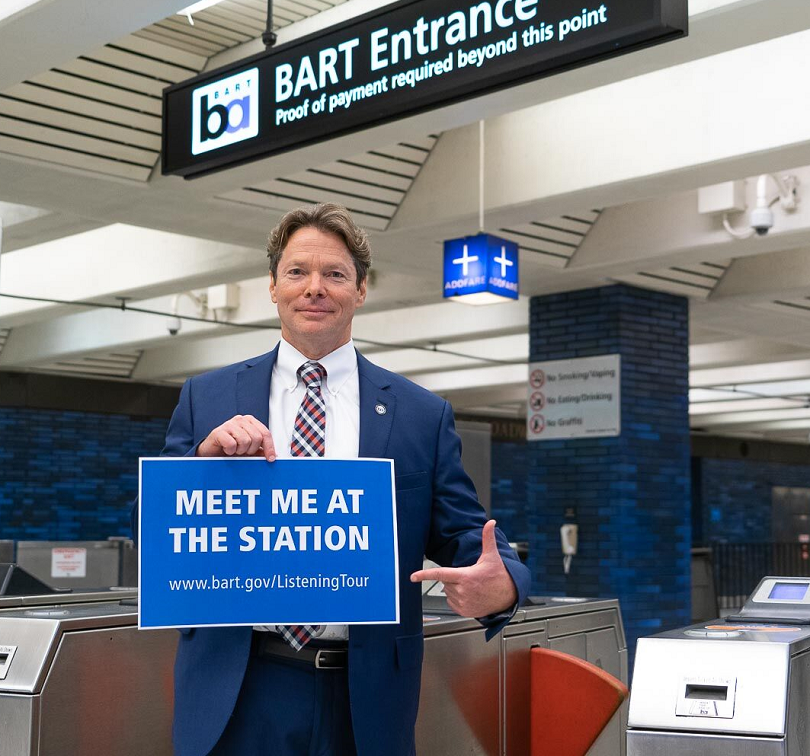
BART’s General Manager Bob Powers and new Chief of Police Kevin Franklin are now launching a Safe & Clean Plan Listening Tour to hear directly from riders to get feedback on the plan and to check in with riders about their experience.
This is the General Manager’s third Listening Tour. With safety being top of mind for many riders, this is the first time the Chief of Police will join the Listening Tour to hear directly from riders.
“So much has changed at BART since the pandemic and we have doubled down on our commitment to safety, cleanliness, and reliability improvements,” said General Manager Bob Powers. “Meeting riders where they are at and offering a specific time and location is a great way to gather invaluable feedback from riders and employees.”
Station Visits*
- Thursday, Nov. 9, 7:45am-8:45am: Fruitvale
- Monday, Nov. 13, 5-6pm: Embarcadero
- Tuesday, Nov. 14, 7:15am-8:15am: Pleasant Hill
- Wednesday, Nov. 29, 7am-8am: Antioch
- Thursday, Nov. 30, 7am-8am: Dublin
- Sunday, Dec. 3, Noon-1pm: Civic Center
- Wednesday, Dec. 6, 7:15am-8:15am: Fremont
- Wednesday, Dec. 13, 7:15am-8:15am: El Cerrito del Norte
*Subject to change. The schedule will be kept up to date.
Powers and Franklin will be on the platform talking to riders while they wait for trains. Posters will be displayed on Station Agent booths in advance to notify riders when they will be at the station.
In a historic first, BART runs Exploratorium train and station advertisements in Chochenyo, the language of the East Bay Ohlone
The Exploratorium advertisement for ¡Plantásticas!, written in Chochenyo, featuring Ohlone leaders Vincent Medina (left) and Lous Trevino (right). For the first time in its fifty-year history, BART is running advertisements on trains and in stations written in the oldest language of the inner East Bay
No Change to Service for Veterans Day 11/11/22; free daily fee parking at most BART stations
There will be no change to our current weekday service on Veterans Day, Friday, November 11, 2022. Excluding Reserved Parking, parking permit & fee requirements will not be enforced in station parking facilities at BART station lots, except Milpitas and Berryessa/North San Jose stations. The Valley
Local beekeeper makes honey with bees removed from BART property, protecting riders and helping to preserve the critical insect
If you passed by the four-inch notch in the wall on Bailey Road next to BART’s Pittsburg/Bay Point Station, you probably wouldn’t notice a thing. But if you took a closer look – not too close – you’d find a hive of hundreds of buzzing honeybees. The notch in the wall seemed like a keyhole into another world –
BART Board approves project team to build-out new headquarters with priority of small and minority-owned business involvement
The BART Board of Directors, at its June 25th meeting, voted to award a $58 million Progressive Design-Build contract to Turner Construction Company and RIM Architecture to design and build the new BART Headquarters at 2150 Webster Street in Oakland. BART purchased the modest size building on December 10