
Saving BART time and money
As BART approaches a fiscal cliff in FY2027 and a structural deficit of $350M to $400M, we recognize the need to do things cheaper, faster, and better. Performance & Innovation (P&I) was established in 2019 to do just that. It is one of the tools we are using to eliminate inefficiencies, streamline processes, and identify ways both large and small to do more with less. P&I’s work is thus far projected to yield approximately $46M in revenue, expense reductions, and avoided costs over nine years (FY23 to FY31).
Learn more about how P&I does its work in this episode of the BART podcast.
Mission
Expense reductions
Decreasing current budgeted expenses
Avoided costs
Freeing up staff time, doing work in-house instead of outsourcing it
Revenue generation
Bringing in more funding
Improved throughput
Getting things done faster
Error reductions
Getting it right the first time
Results thus far
As of July 2026
Time
P&I’s work is projected to free up approximately 28,000 hours of staff time every year, which is equivalent to adding 12 full-time employees to BART’s budget without costing the agency an extra dime.
The majority of these savings are generated by individual BART employees after taking Lean 101, an in-house course that P&I teaches quarterly on process improvement.
Money
Overall, P&I’s work is projected to yield approximately $46M in revenue, expense reductions, and avoided costs over nine years (FY23 to FY31). The graph below accounts for work to date.
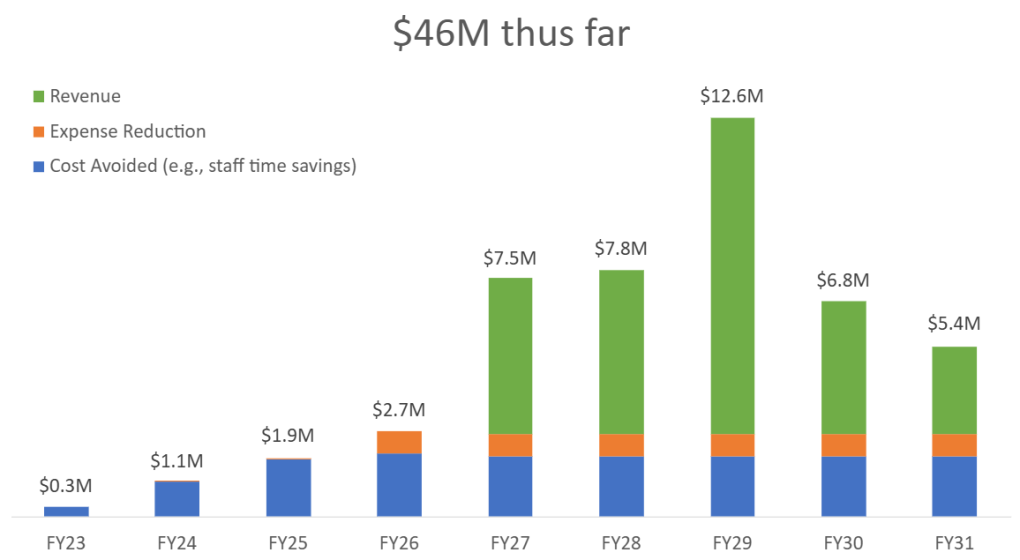
P&I is constantly working to ensure continuous improvement across BART, so the financial benefit of its work is anticipated to increase well beyond the $46M projection.
Find examples of improvements P&I has helped facilitate below.
Lean 101
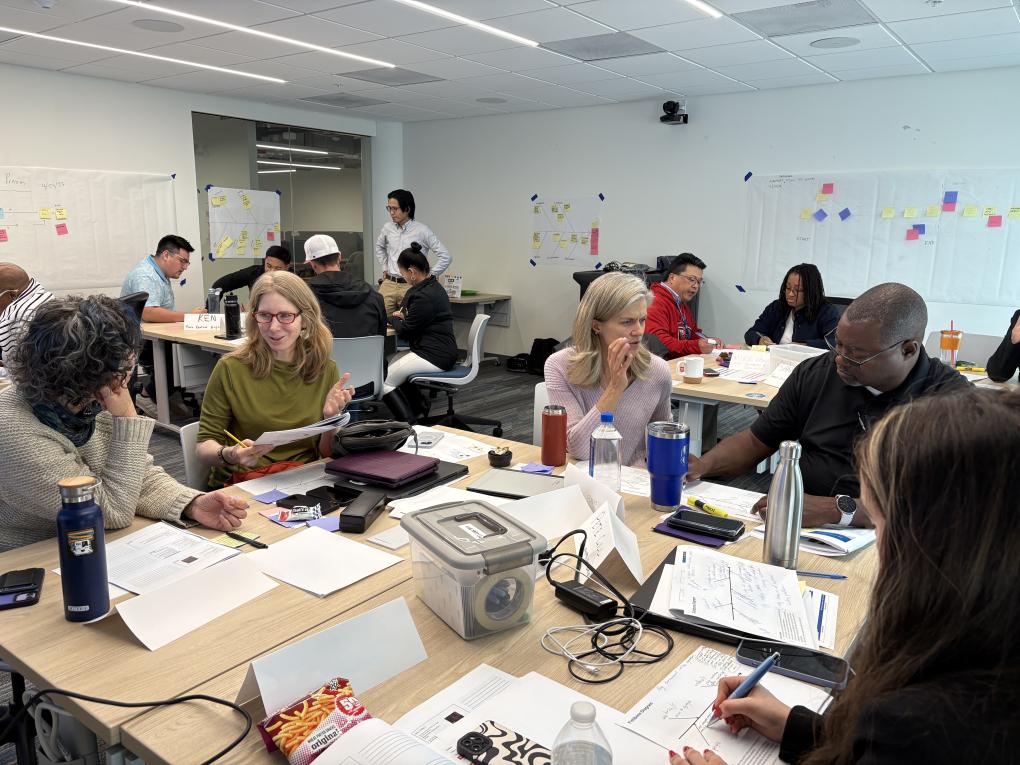
Lean 101 is a daylong, hands-on training delivered in-house by P&I that empowers staff with practical tools to identify inefficiencies and implement improvements in their day-to-day work. BART employees are eager to enhance their work processes; classes are offered quarterly and fill months in advance.
P&I challenges participants to take what they have learned in the course and apply it to an improvement that they can make on their own. Small wins add up to big impacts over time.
Some of the improvements made by BART Lean 101 alums:
Organization
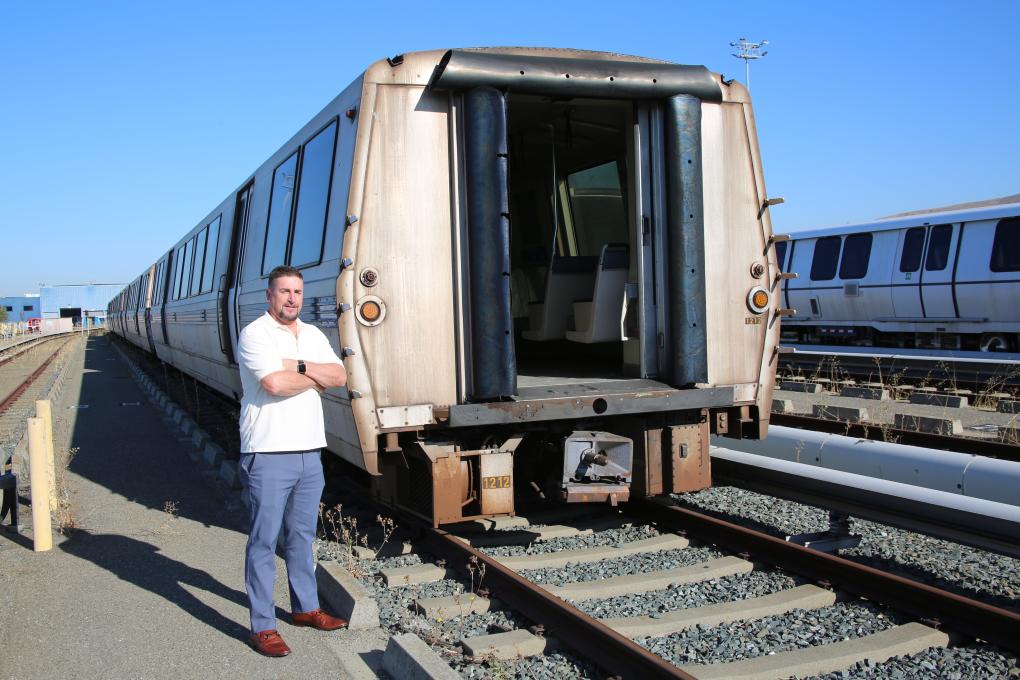
Brian Tsukamoto is Manager of Special Projects for BART’s Production Support team. He realized that disorganization and clutter made it harder for staff to locate parts necessary for train repairs. After Lean 101, he assembled a team to organize, clean, and develop a better process for storing these parts. Being able to find parts faster also means trains can get back on the rails faster. Brian estimates his team gets 1,880 hours annually of time back searching for parts, translating to $65,800 in annual staff time savings.
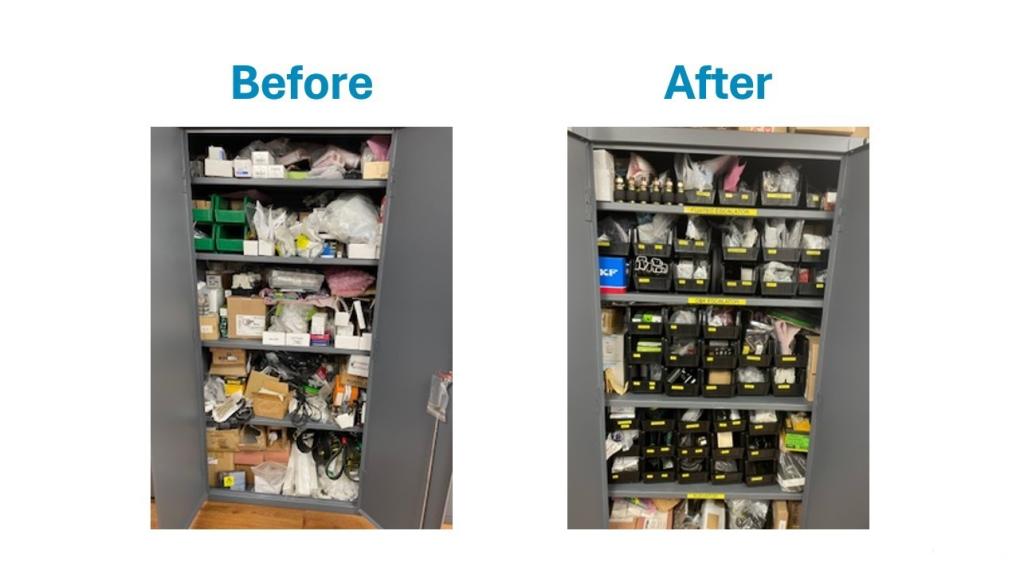
Eric Stockton is a Section Manager of Elevator/Escalator Maintenance. After taking Lean 101, he reorganized his team’s supply cabinet using techniques P&I teaches to reduce the time he and his teammates spent looking for parts. He estimates that his team can now locate supplies up to 24x faster than before and can therefore bring elevators and escalators back into service more quickly.
Error proofing
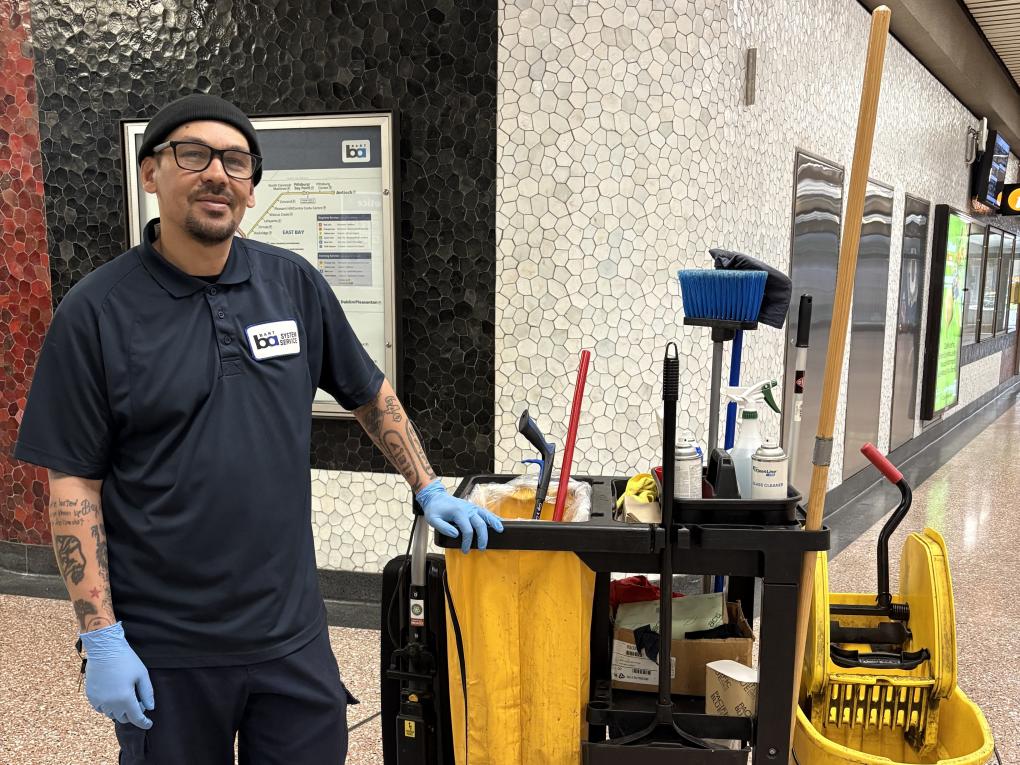
Jonathin Bryant is a System Service Worker at BART. After taking Lean 101, he made the simple, no-cost fix of using colored tape to make it visually apparent which mop to use for what. This simple improvement helped reduce the probability of cross-contamination between station bathrooms and station platforms and elevators.
Standardization
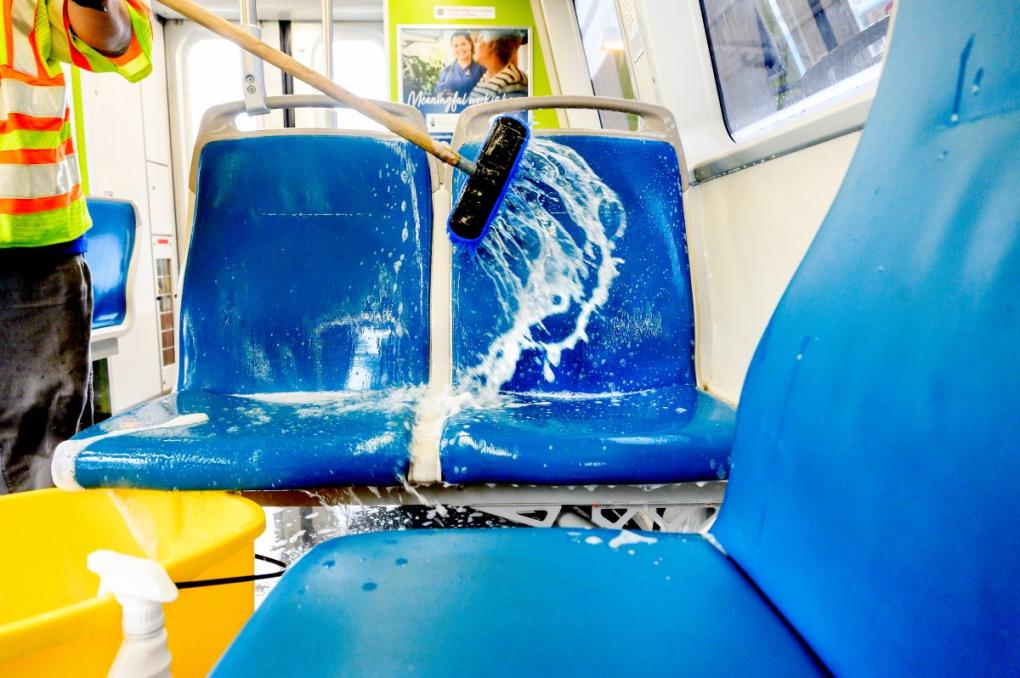
Juan Matta is BART’s Manager of Transit Vehicle Cleaning. He created a Supply Order Form to standardize the way that 12 different employees order cleaning supplies on a weekly basis. He estimates this improvement saves each employee approximately 55 minutes a week by speeding up the process of ordering supplies. These 55 minutes translate to approximately 570 staff hours saved annually. The monetary value of this time savings is approximately $25,000 in freed staff capacity per year.
Interdepartmental partnership projects
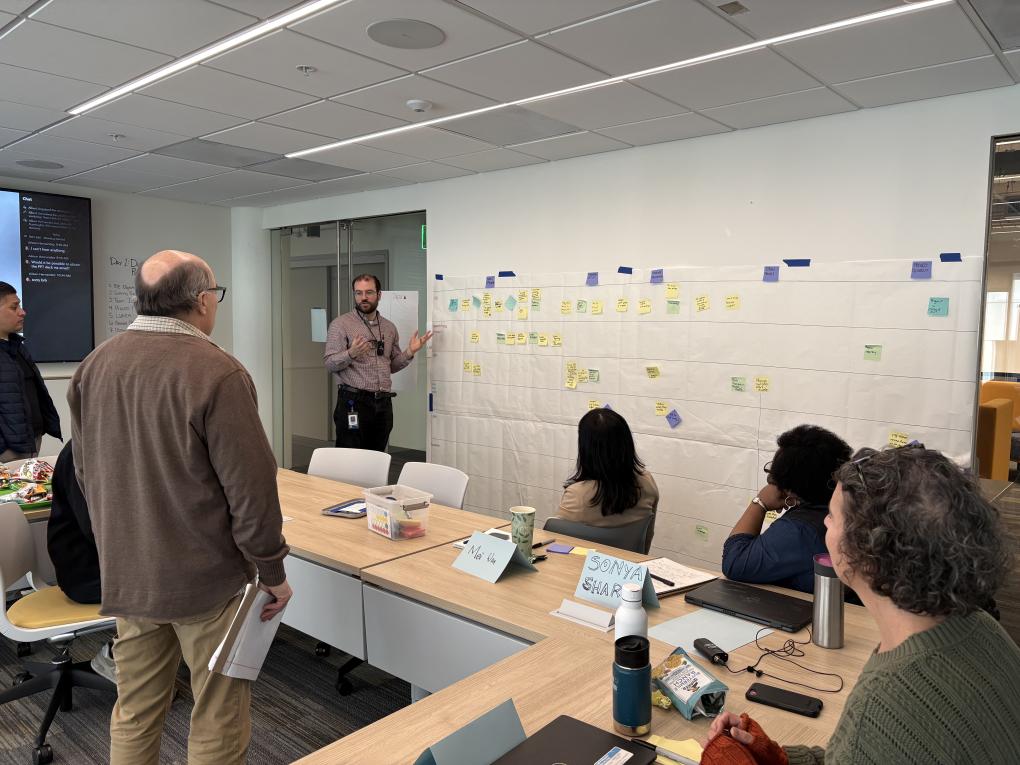
P&I works across BART on “partnership projects" that activate many different stakeholders from across BART who work together to solve tricky problems. P&I designs and facilitates the conversations that these cross-functional groups engage in to ensure they meet their goals.
Cost Recovery Process
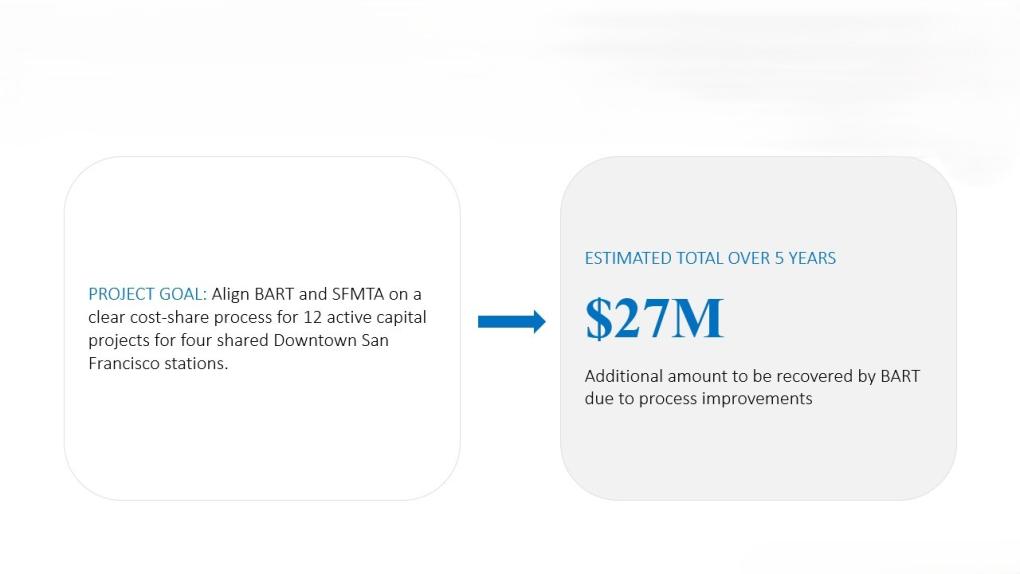
BART and the San Francisco Municipal Transit Agency (SFMTA) share costs associated with projects in the four shared Downtown San Francisco stations. P&I assembled a team of both BART and SFMTA staff, which identified inefficiencies in the cost-sharing process. Together, the agencies shored up these inefficiencies and strengthened cost recovery mechanisms, adding an estimated $27M back to BART’s capital budget over the next five years.
Change Order Process
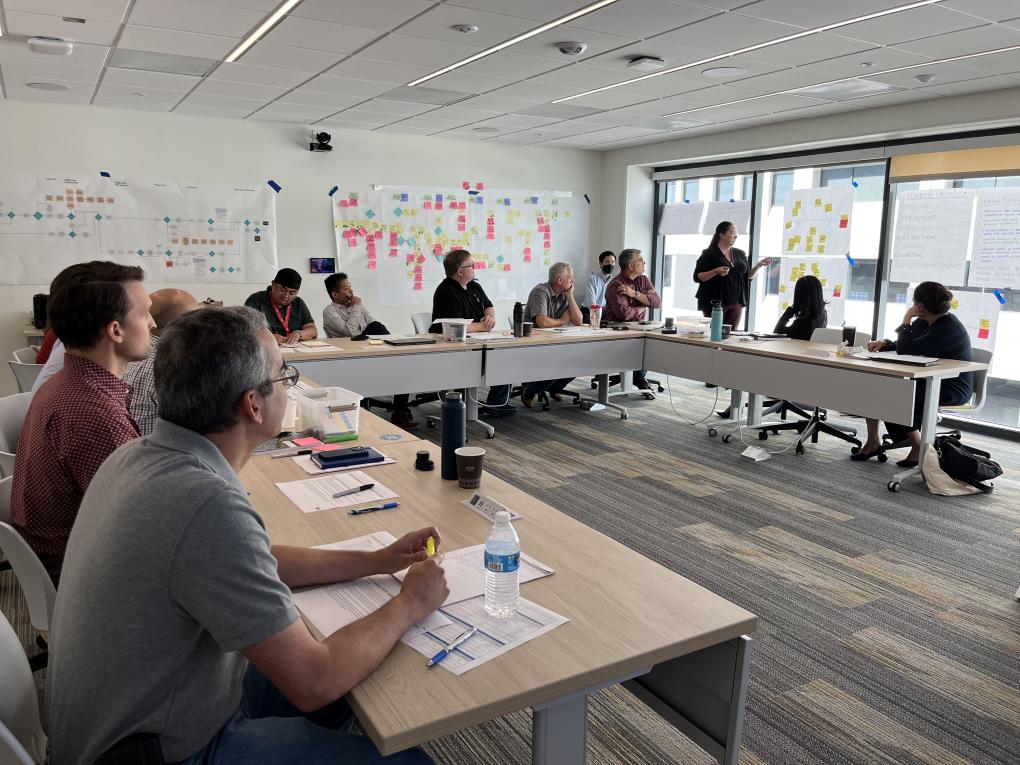
P&I was asked to help BART reduce the time it takes to issue construction contract change orders (i.e., modifications to the original scopes of work outlined in construction contracts). Previously, the process required a significant amount of staff time and effort, potentially leading to extra claims and costs. Delays could also lengthen the amount of time that construction adversely impacted riders.
P&I took the time to analyze data and meet with employees and contractors to better understand what was bogging down the process. P&I then brought together a cross-functional team to solve the problem – 13 stakeholders from five different BART offices (Infrastructure Delivery, Procurement, Legal, Civil Rights, and Internal Audit). These 13 stakeholders set a goal of reducing processing time by 50-55%. Then, they worked together to develop solutions.
Here’s an example of one of the solutions they developed: Before, not all resident engineers on BART projects had authority to sign off on scope changes in the field. This led to delays waiting for changes to be approved so that work could continue. The team determined that the risk associated with giving all resident engineers the authority to approve of low-cost scope changes did not outweigh the cost of project delays. The team agreed to standardize the level of monetary authority that resident engineers have on every capital project.
This change and others that the team agreed to were codified in an official memo that was distributed Districtwide and included in BART’s Procurement Manual. The team’s work is expected to meaningfully speed up the time it takes to issue change orders.
Transit-Oriented Development (TOD) Process
BART’s Transit-Oriented Development (TOD) Program has made significant strides in supporting regional housing, access, and sustainability goals through new development around stations. TOD is well-designed, mixed-use, higher-density development adjacent to frequent transit. It helps communities and transit agencies increase sustainable transit ridership, revitalize communities, enhance regional quality of life, and strengthen economic competitiveness.
BART works closely with developers on TOD projects at stations, and sometimes BART will apply for grants on their behalf if they are not competitive enough to apply on their own. If BART wins the grant award, we must then establish a “passthrough agreement” to pay developers with grant funding as they work on our Transit-Oriented Development projects.
It used to take approximately 12 months to develop and finalize a passthrough agreement. Staff estimates it should now take 2 months.
What changed? All stakeholders involved recognized that they needed to agree to a standard process that would work for all of them. To do that, P&I brought together a core team of eight stakeholders from four different BART offices (Transit-Oriented Development, Grants and Funding Advocacy, Capital Budget and Funds Management, and Capital Project Support). Together, this team agreed to and documented a clear process for passing through grants to developers. They also worked with BART’s Legal team to develop a standard passthrough agreement template to use going forward. As a result, BART is expected to establish passthrough agreements 6x faster than before.
Contact us
Interested in learning more? Email us at [email protected]