
Search Results
Officer-involved shooting at Union City BART Station parking lot
(Tuesday, 11/19 11:45am update)
Statement from BART Police Chief Kevin Franklin on the incident at Union City Station:
"On Monday, November 18, at 8:57pm BART PD officers responded to a report of reckless driving in the parking lot of Union City Station. As part of the overall investigation, the two responding officers conducted a traffic stop. During the traffic stop, the driver is alleged to have assaulted a police officer which led to one of the officers discharging their firearm.
The suspect, 32-year-old Jasmine Gao of Union City, was shot in the upper body. Gao was provided with immediate first aid and was taken to a nearby hospital for treatment. Once medically cleared, she will be charged with assault with a deadly weapon on police, reckless evading, failure to follow a court order, and resisting arrest with an enhancement of committing a felony while out on her own recognizance. She also had two outstanding arrest warrants. The suspect is reported to be in serious, but stable condition.
Pursuant to standard department protocol, drug and alcohol testing was conducted for the officer who fired their service weapon. Per policy, both officers had their body-worn cameras activated.
Union City Station was closed Monday night as part of the investigation and was reopened in time for the start of BART service Tuesday morning. Union City Police also responded to the incident and provided support including securing the scene. Anybody who may have additional information should contact BART PD detectives at 510-464-7040."
(Tuesday, 11/19 9am update)
Here's the entry for this incident in BART PD's daily log:
245 (c) PC / 2800.2 CVC / 166(a)(4) PC / 148(a)(1) PC / Warrant (x2) Arrest (Prohibition Order will be issued) – Union City Station
11/18/2024 2057 hours Officers conducted a traffic stop and contacted the driver Jasmine Gao (05/03/1992, Union City). During the incident, an officer involved shooting occurred. The suspect was taken into custody and transported to hospital for treatment. Once medically cleared, Gao will be booked into the Alameda County jail in Dublin on the above listed charges. 2411-1355 L26
Additional info:
The listed charges include assault with a deadly weapon on police, reckless evading, failure to follow a court order, and resisting arrest with an enhancement of committing a felony while on your own recognizance.
BART Police confirms an officer-involved shooting took place approximately 9:30pm on Monday, November 18, 2024 in the parking lot of the Union City BART Station. One suspect was shot by police and transported to the hospital. Their condition at this time is unknown. BART Police closed the station on Monday night for the investigation. More details will be released as information is confirmed.
Per policy, BART’s Office of the Independent Police Auditor has been notified and has responded to the scene for their investigation.
BART unveils state-of-the-art tool that will improve the rider experience
On May 3, BART unveiled its newly acquired geometry car, known as the Rail Inspection Vehicle or RIV for short, which will enhance the rider experience by enabling a smoother ride, improving the system’s reliability, and cutting costs. The vehicle has highly advanced track inspection capabilities that will
BART's Aileen Hernandez is working to increase access and opportunity
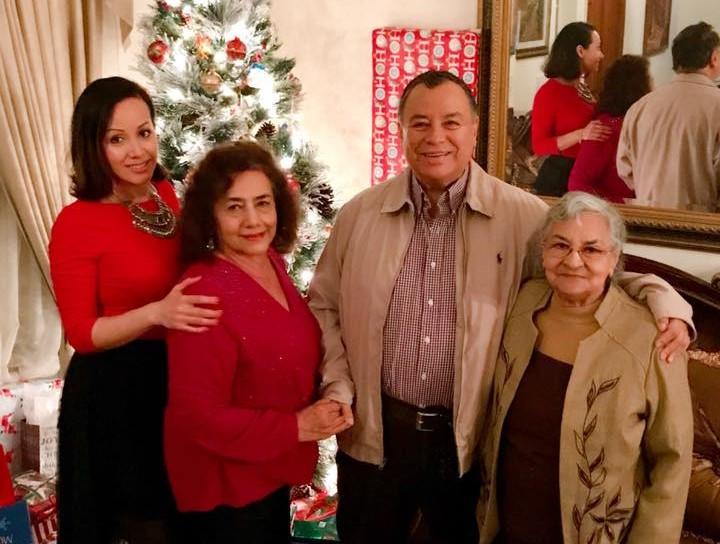
Aileen Hernandez with her mother, father, and grandmother.
This Hispanic Heritage Month, BART is proud to celebrate employees with Hispanic and Latino heritage, who enrich our organization and the community at large. Over 15% of BART's workforce identifies as Hispanic and Latino, and we will be celebrating them throughout the month with stories and internal gatherings. Read our first profile, of BART's new Director of the Office of Civil Rights, Rudy Garza, here.
Hispanic Heritage Month runs from Sept. 15 to Oct. 15.
After Aileen Hernandez’s parents came to the United States from Colombia in 1968, they moved around a lot – Philadelphia, Los Angeles, Sacramento, and finally the Bay Area, where Aileen was born.
When she talks about her parents’ journey in search of better jobs and opportunities, Hernandez doesn’t just think about them, she thinks about the constellation of people surrounding them.
“My parents didn’t do it all alone. People were helping them,” she said. “That’s something I want to continue because I've been blessed by being a receiver of that help through many great mentors in my educational and professional life.”
Hernandez is the BART Interim Manager for Grants & Funding Advocacy Division, Funding Strategy Department. She has spent her career — in Sacramento, New York, and Bay Area— running complex programs to ensure the ladder of opportunity extends to those who need it most.
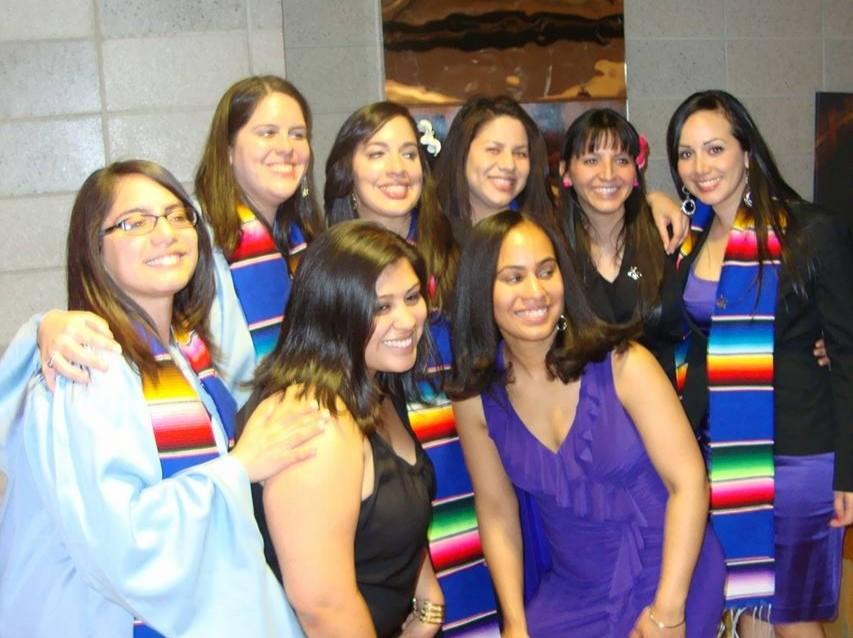
Aileen at her Columbia University graduation in 2010.
Her past work connected first-generation community college students to four-year universities, given military veterans access to job training, expanded workforce development services in San Francisco, and ensured BART provides opportunities for small businesses and Disadvantaged Business Enterprises (DBEs) to get access to construction contracts.
In her current role, Hernandez makes sure BART has access to local, state, and federal funds. Recently, Hernandez and her team navigated and implemented the complex funding strategy for BART’s new fare gates.
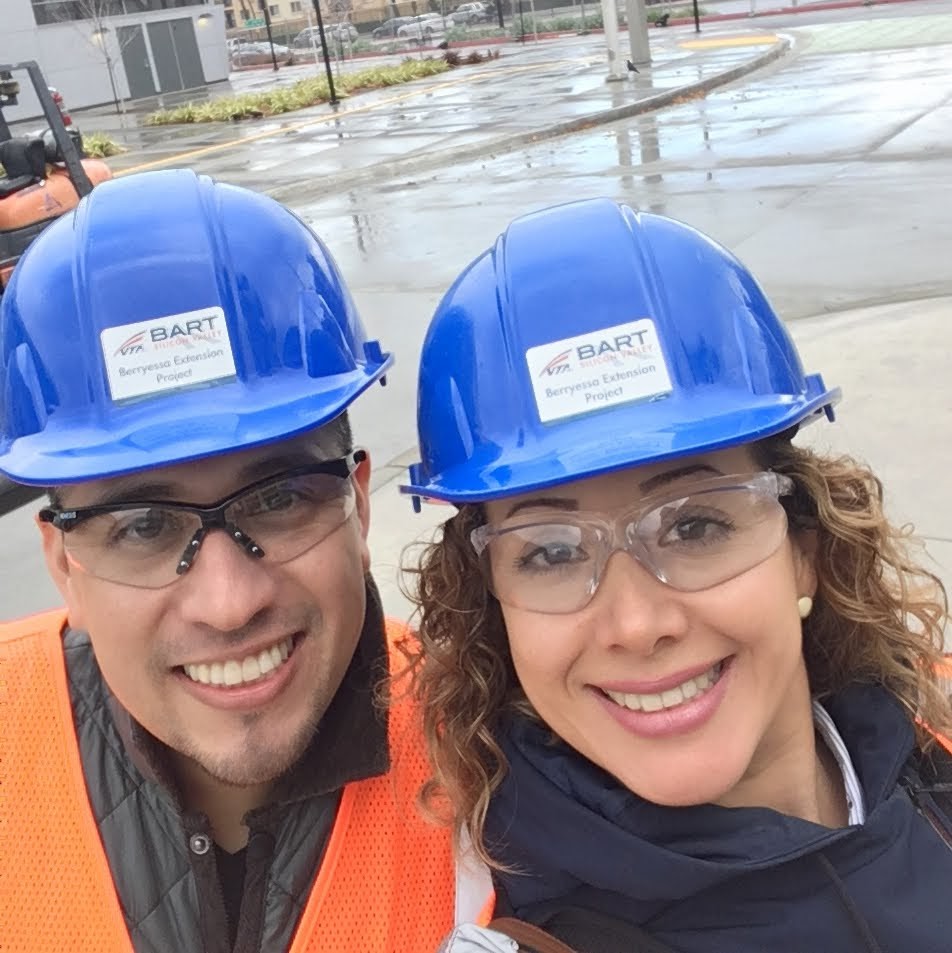
“I really enjoy my work because I know that every dollar we bring to BART is going to have an impact and create a better system for our customers,” she said. “And those customers are real people. It’s our moms, grandparents, tourists, and people with disabilities.”
Hernandez is all about finding ways to uplift Latinos, and for her, Hispanic Heritage Month is an opportunity to educate others about the rich tapestry of Latino culture and expand how people think about who makes up the community.
“It's an important time to promote and educate people about Latino culture and their contributions to the U.S.,” she said. She is especially passionate about bringing attention to the communities that do not get as much representation in the media or the corridors of power.
“I think there's a huge lack of education about the history of Central America and South America,” she said. “Not everyone knows the about the colonization of America, migrations across the continent, and the reasons why people migrated to California and or why they never left.”
Hernandez grew up in the Bay Area, but her family returned to Colombia for a spell before moving back to the U.S. when she was 12. She went to Chabot College to obtain an associate’s degree and UC Davis for her bachelors. Along the way she participated in student government and ran cross country before going to work for California Community Colleges in Sacramento.
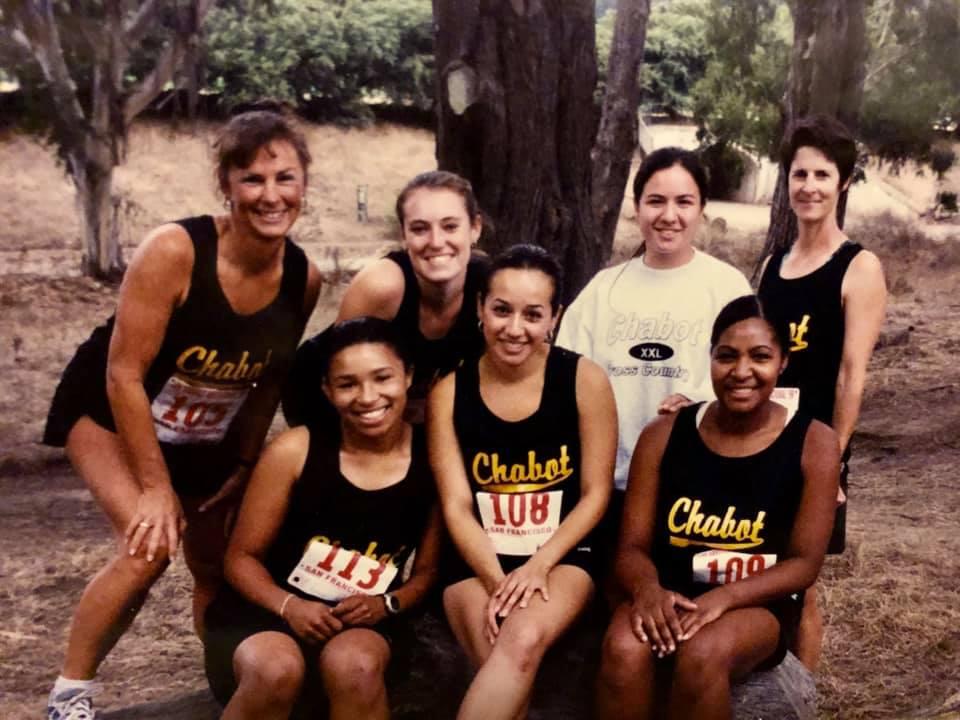
Aileen and rest of the Chabot College Women’s cross-country team in 1998.
After a spell in the workforce, Hernandez enrolled in a social work program at Columbia University. She stayed in New York after graduation, training workers for jobs in transportation and launching a veteran's career center before her work brought her back to the Bay Area. But her time in New York had a long-lasting impact on her.
In New York City, Hernandez was exposed to a vibrant hub of Colombian and Colombian American culture. New York has the second-highest concentration of Colombian Americans in the United States after Florida. Hernandez often found it difficult to see her Colombian culture reflected in California, where Mexican American culture is more prevalent.
“You don't see yourself in movies or shows,” she said. “In California, people always assume you're Mexican. So you have to explain that you're not Mexican, and how you're different, and why you're different.”
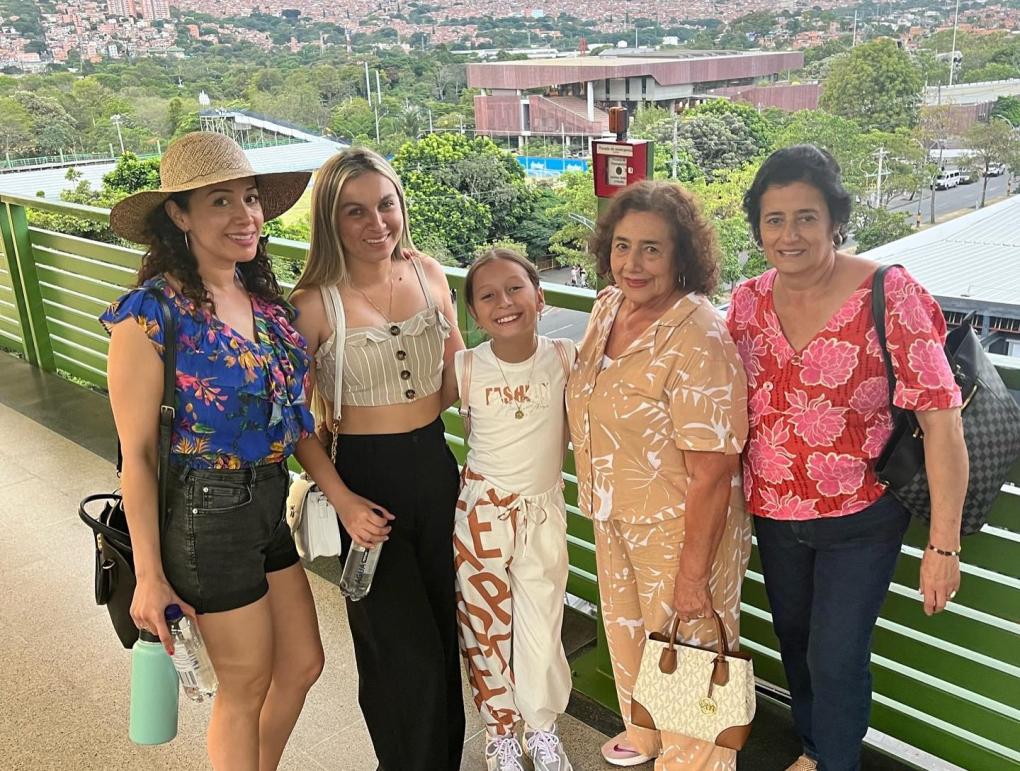
Aileen with her mother, aunt, and cousins in Medellín, Colombia, in 2023.
In New York, she helped form a foundation to fundraise money for high school students of Colombian descent going to college. The group brought together doctors, lawyers, journalists, and fashion designers of Colombian descent to inspire youth and expand their conceptions of their futures. She continues that work to this day.
Hernandez and her colleagues have recently started a new affinity group at BART called ¡Vamos! for BART employees who identity as Latino, Latinx, Latina, Chicano, and Chicana. ¡Vamos! will work to promote cultural awareness and highlight the community’s efforts and contributions to BART and the Bay Area.
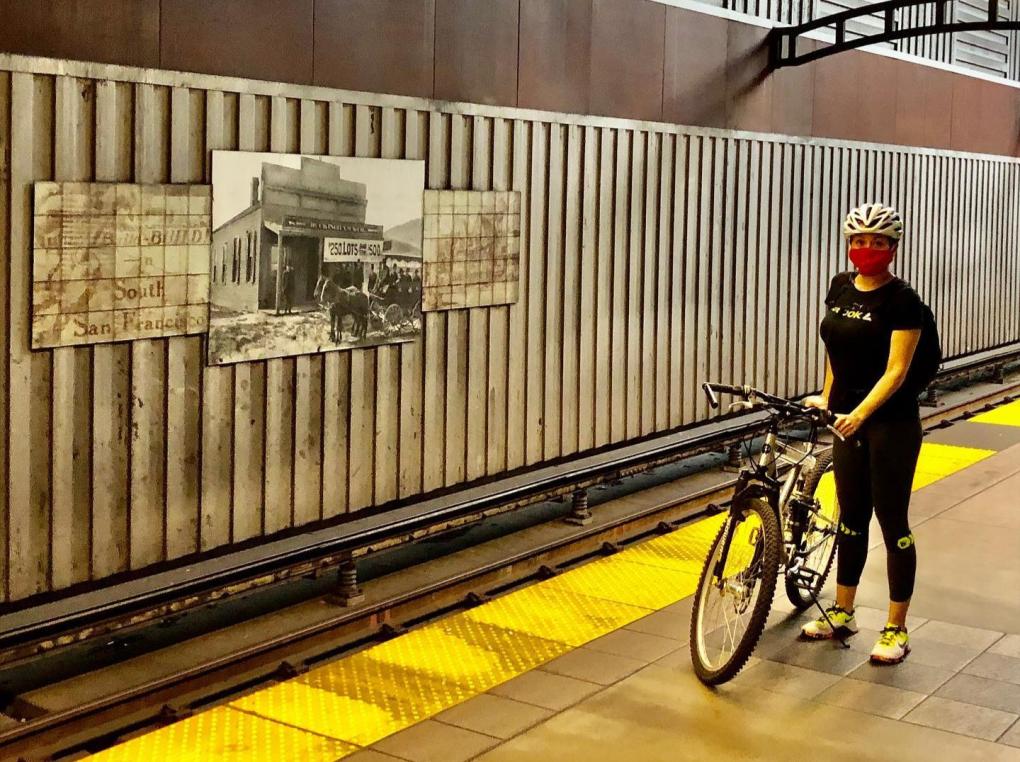
Aileen taking BART with her bike in 2020.
New video illustrates challenge of keeping BART running for the next 40 years
A new video illustrates the challenges facing BART in the decades ahead by providing viewers with rare behind-the-scenes footage of the Operations Control Center, inside a Train Operator’s cab and in the shops where technicians struggle to keep the oldest-in-the-nation train cars running reliably. Entitled
BART renews program of free tickets for military personnel returning from active combat
BART will once again offer free transit tickets to certain military personnel who are on leave or returning from active combat in dangerous war zones. The BART Board of Directors voted to allow staff to work with existing organizations to distribute $50 BART tickets to 600 qualified military personnel. “We’ve
Rebuilding the backbone of BART is improving the rider experience
The latest progress of the Measure RR rebuilding program is making a difference for riders by enhancing the reliability of the system and reducing service delays. The number of trains delayed due to outdated rail fell by more than 400 instances thanks to work that in some cases replaced track that had been in place since the start of BART service in 1972.
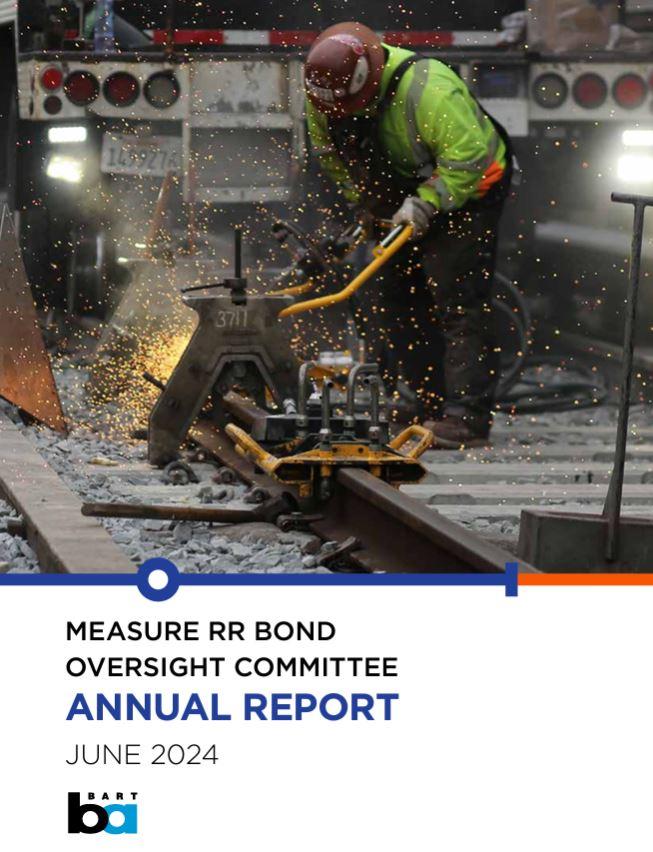
The reduction in service delays is among the findings in the latest Measure RR Annual Report published by the Bond Oversight Committee (BOC). The BOC’s independent oversight of the rebuilding program emphasizes cost-effectiveness, quality, and timeliness of work completion. The new annual report will be presented to the BART Board of Directors at its meeting on Thursday, July 11.
“Measure RR is a crucial part of our ongoing efforts to ensure BART is truly the safest way to get around the Bay,” said BART General Manager Bob Powers. “This Measure RR Annual Report highlights how the rebuilding program is boosting safety, making our core infrastructure more resilient, and improving our on-time performance for our riders.”
Through March 2024, $1.81 billion of Measure RR funds have been invested in rebuilding projects. There are now 157 projects in planning, design, construction, or have been completed. A total of 61 projects are complete, including 13 projects that have been completed since the BOC issued its last annual report in 2023. Measure RR money spent, and work completed to this point, have exceeded initial expectations.
Much of this progress for riders has been accomplished during weekend track shutdowns, when crews temporarily close a portion of the trackway to expedite track work that’s too large to accomplish during the few overnight hours when BART is not running trains. An example of this work is the ongoing effort to rebuild the core of the system in Oakland. You can learn more about the project and upcoming work dates here.
Measure RR is a $3.5 billion bond measure to replace BART’s aging infrastructure. It was approved by voters in Alameda, Contra Costa, and San Francisco counties in 2016.
BOC members review projects and data presented by BART staff in quarterly briefings. Members of the committee can request additional documents, information, and presentations on an ad hoc basis. The BOC is comprised of volunteers who represent a diversity of expertise. The organizations represented on the committee include the Institute of Electrical and Electronic Engineers, the American Institute of Certified Public Accountants, the Association for Budgeting and Financial Management, the Project Management Institute, and the League of Women Voters of the Bay Area. You can learn more about the committee at bart.gov/bondoversight.
Race for Space: BART hosts Twitter Town Hall on crowding June 20
It’s crowded out there. We know it can feel like a sardine can sometimes. BART’s got a plan to help – but we need your help, too. Join our Race for Space Twitter Town Hall, scheduled for Thursday, June 20 from noon – 1 pm. We’ll be discussing our Transbay Corridor Core Capacity Project that will let us
Parking, drop-off area changes at Union City BART Station due to construction
Beginning Monday, Sept. 15th, BART will relocate reserved, bike and motorcycle parking, the patron drop-off/pick-up area and taxi and shuttle stops at the Union City Station to accommodate transit village construction. During this phase of the construction, BART will close the North “Reserved Parking Lot” and
Dispatchers are the “behind-the-scenes heroes” of BART Police
BART is currently hiring entry-level and lateral dispatchers. Salaries start at $81,000 - $99,000 annually, and BART Police is offering a $15,000 hiring incentive. The role include premier benefits, including enrollment in the CalPERS pension retirement program. To be considered, applicants must possess a high school diploma, GED, or recognized equivalent.
For more information, download the recruitment flyer and visit joinbartpd.com/police-dispatcher.
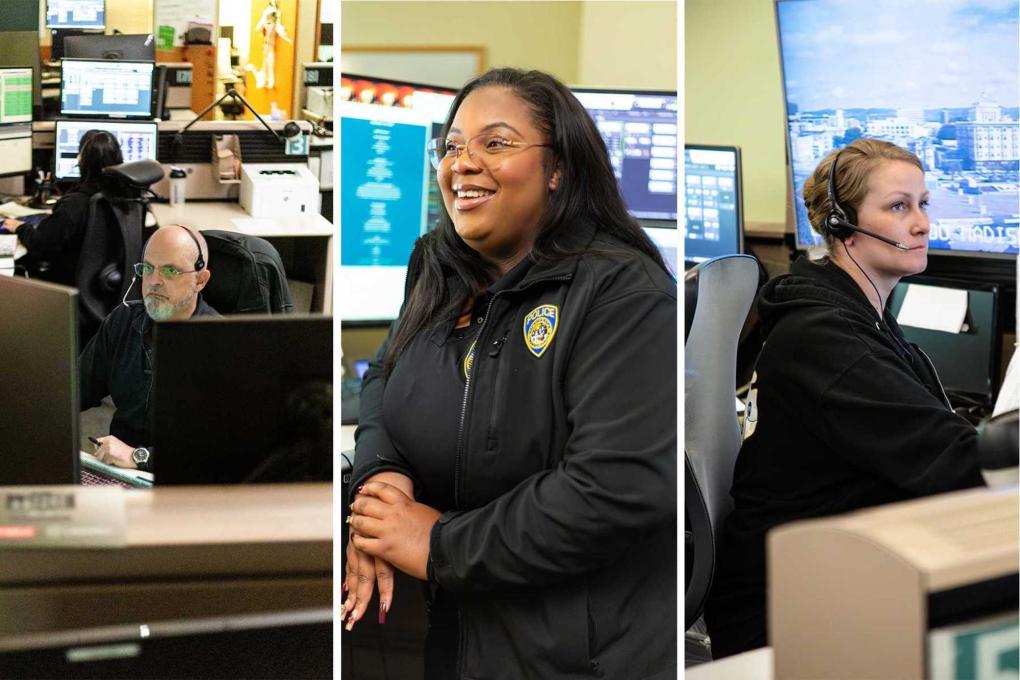
(Pictured above: Dispatchers Robert Lowell, Taylor Fulmore, and Kasey Frost at work.)
You won’t hear a phone ring for long in the BART Police Dispatch Center.
“We answer the phone after two or three rings almost always,” said BART Police Dispatcher Taylor Fulmore. “You are going to get a real human on the phone very quickly."
BART Police has one of the fastest response times in the nation for major incidents, averaging 4 minutes and 25 seconds for Priority-One emergencies. BART’s skilled dispatchers play an essential role in makin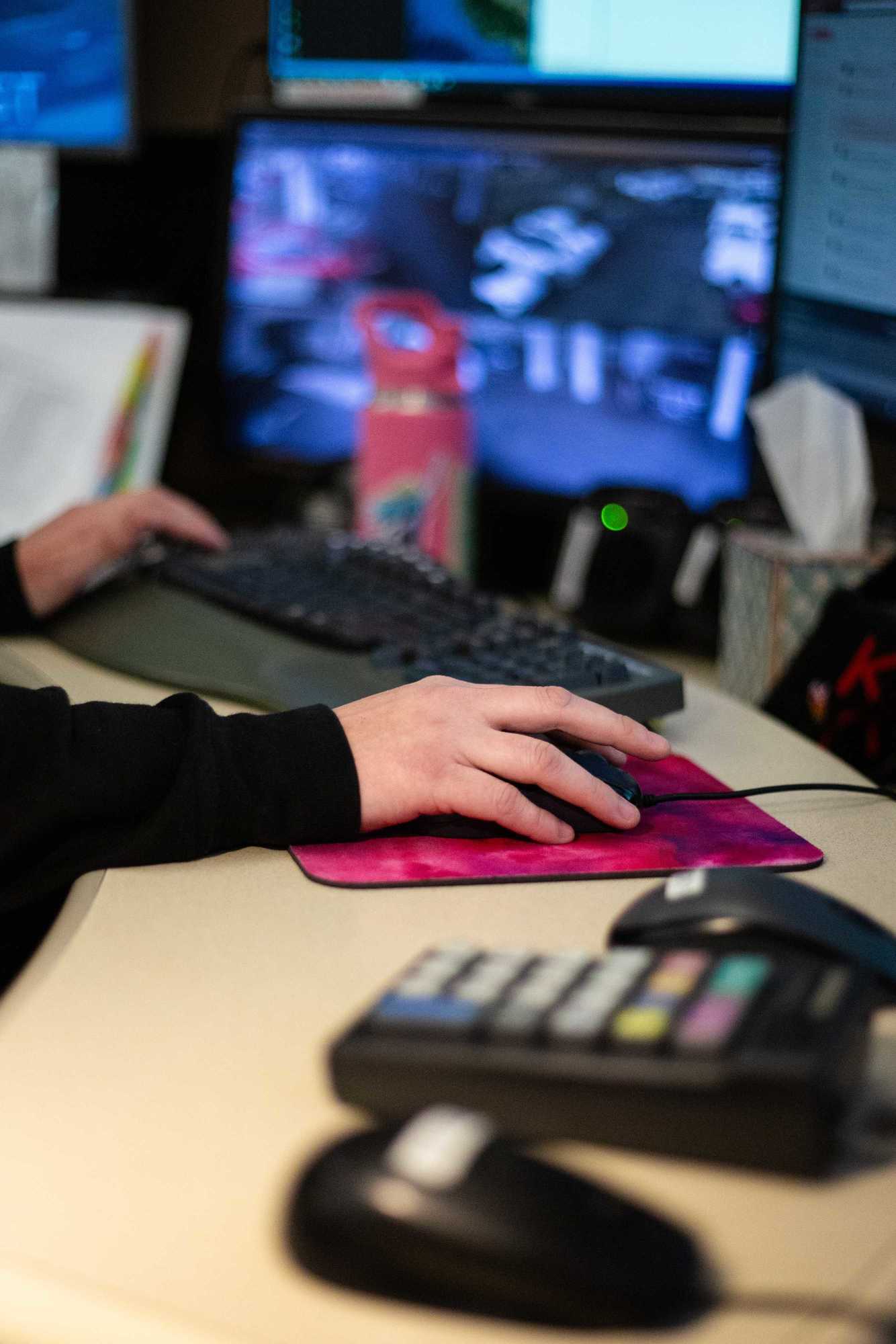 g that rapid response happen.
“We’re like orchestra conductors,” said Senior Dispatcher Robert Lowell, who’s worked BART dispatch for 21 years. “You’re telling the officer units where to go, when, and why. We’re the gateway that makes the department flow.”
When you consider jobs at a police department, you probably think of the obvious one: police officer. But there are a multitude of non-sworn, civilian roles that are crucial to the functioning of a well-oiled police department.
Dispatchers are the first conduit in a network of fast actions triggered by a 911 call. They’re staffing the phones 24 hours a day to connect those who may be witnessing or experiencing a crime with safety services. And they do it with impressive speed and dexterity.
“Staffing the phones” is a bit misleading. Dispatchers don’t simply answer calls; they’re also responding to texts from the non-emergency line and fielding messages from the BART Watch App. That’s not all. At any given moment, a dispatcher will have upwards of 10 computer tabs and programs open, each with a different but important purpose. They’re scanning camera feeds, analyzing a real-time map of every train in the system, and managing a program that collates active calls and available units. Each dispatcher’s desk has five monitors, three mice, two keyboards (one for the computer, one for the phone), and a foot pedal for the dispatch radio so they can call for units while typing information.
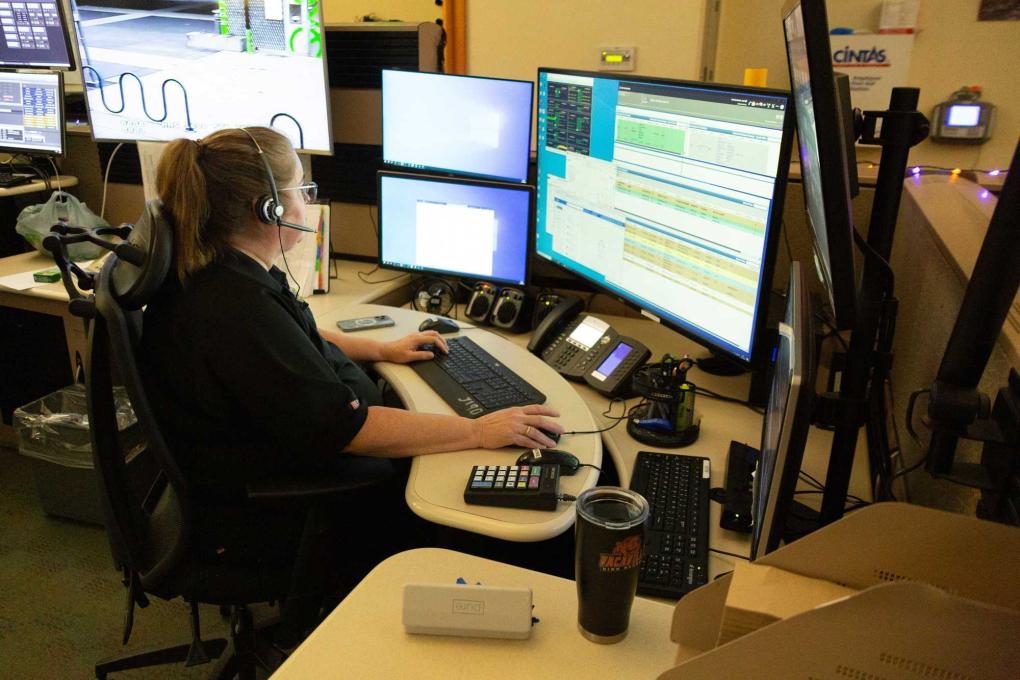
Communications Supervisor Patty McPeak pictured at her desk. McPeak has worked for BART for 29 years.
“Dispatchers have to multitask and must possess a lot of common sense,” said Communications Supervisor Patty McPeak, who’s been with BART for 29 years. “We need people with street smarts, not just book smarts. You have to use your entire brain in this job and juggle multiple things at once.”
The work of dispatchers intersects with multiple expertise: law enforcement, customer service, public health and social services, and even some behavioral psychology.
“We’re all really good at anticipating what suspects will do,” Dispatcher Fulmore said. “For example, if we get a call that someone just had a phone stolen on the concourse, we know the suspect will run to the platform to get on a train, so we stop the next train from entering the station. We have a lot of techniques to set officers up for success.”
Dispatchers do detective work, too, added Dispatcher Stacie Richardson, an 18-year veteran of the department who was essential in the arrest of Nia Wilson's convicted killer in 2018.
“I remember that day well,” she said. “I got a call from a guy, saying, ‘Hey, I got off the train at Fruitvale five minutes ago, and I think I saw the suspect onboard. It was going toward downtown Oakland.’” It wasn’t much info to work with, but his description of the suspect matched the warrant, so Dispatcher Richardson leapt into investigative mode.
“There were so many trains running at that time, but based off that little bit of info, I was able to track the right one down,” Dispatcher Richardson said. “I found the suspect on the security camera feed and was pretty certain it was him. I followed him on the cameras until he disembarked at MacArthur Station to board a Pittsburg-bound train. I held that train, alerted the nearest police unit, and within minutes, they arrested him.”
"Getting the guy doesn’t make it any easier for the family,” Dispatcher Richardson added. “But I know it gave them a sense of relief.”
(Note: To get help as fast as possible on a train, it’s important to take note of the car number, which tells dispatchers exactly what train you are on and where it is going. The car number is located above the doors on the inside of each end of the train car.)
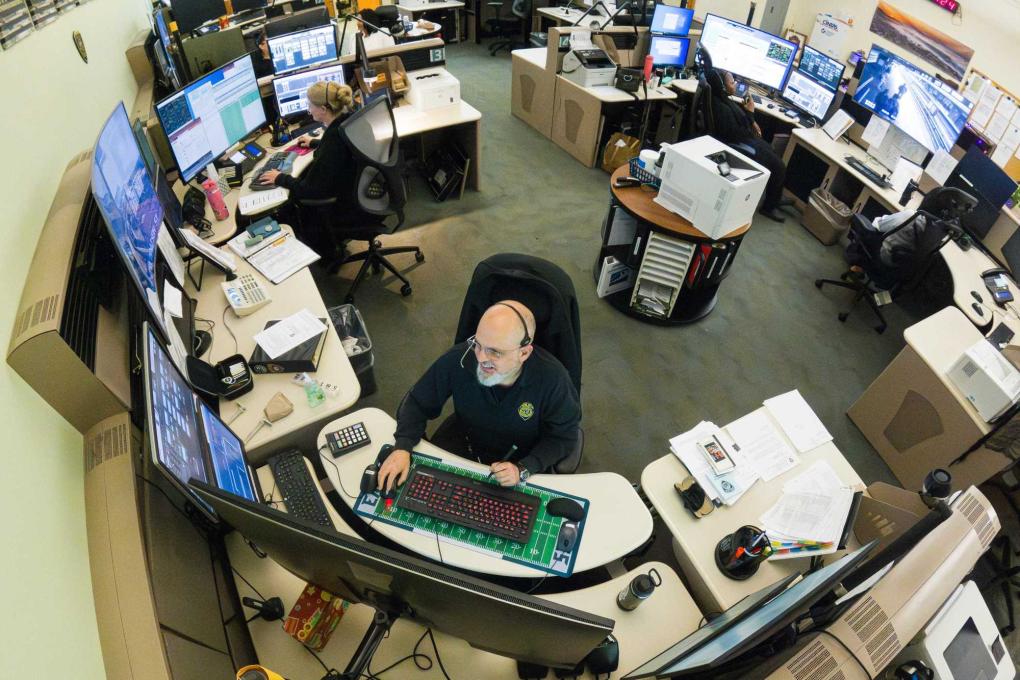
Dispatcher Robert Lowell smiles at his desk. Lowell has been deemed the team DJ.
Every BART dispatcher works the police radio channel for a few hours a shift. On the radio, they have the responsibility of prioritizing calls and dispatching units in a timely fashion, all while taking into account the availability of officers.
“Dispatchers are often coordinating train holds, assigning calls to units on the field, relaying real-time updates, and gathering information,” said Communications Supervisor Sabrina Castro. “The radio dispatcher is often interacting with Officers, Ambassadors, Crisis Intervention Specialists, Community Service Officers, Fare Inspectors, Amtrak Officers, Detectives, Deputy Chiefs, and Watch Commanders at any given time.”
Said Dispatcher Fulmore, “We can stop someone’s commute with just four numbers on a keyboard, so prioritization is critical.” Dispatchers don’t want to hold a train unless they absolutely must.
Dispatcher Fulmore said she never imagined she’d be working in a police department. She studied communications in college and figured she’d work in media.
“I’m still using that communications knowledge, just in a different way,” she said. “We need people from a variety of personal and professional backgrounds to accomplish what we’re trying to do in the dispatch center. There are very few jobs you can come into at the entry level.”
Dispatcher Patsy Hernandez said her previous career as a dental assistant helped prepare her for the job.
“In the dental office, I learned customer service, how to deal with different types of people, how to problem solve,” she said. “All of those skills prepared me for this work."
Newly hired dispatchers receive thorough training that lasts around a year. Training starts in the classroom followed by a three-week academy course for general policing knowledge, geography training in the field, phone training, and lastly, radio training. Those who are already familiar with BART tend to finish training earlier. You must know the BART map inside and out, how the railway operates, and understand the complex dance of trains moving through the system.
You might think the BART Police Dispatch Center is full of people shouting into phones and rushing to and fro. To the contrary, the room is dimly lit and peaceful – calmer than many open-floor offices. A mini waterfall bubbles peacefully in supervisor McPeak’s and Castro’s office against a sonic backdrop of clacking keys, low voices, and sometimes cackles as the dispatch partners lob jokes at each other across the room.
Dispatcher Lowell has been deemed the team DJ. During his shift, he spins his favorite tunes for the group – some Rolling Stones here, some Eric Burdon and the Animals there. He said it helps keep the good energy flowing and builds camaraderie.
With some training, dispatchers learn to let tough calls go, to talk them out with their partners, and to reach out to the peer support team when they need extra support. And supervisors Castro and McPeak are always looking for stress management techniques for their team; around Halloween, for example, they hosted a coloring contest with a $50 gift card for the best work.
“We decorate for the holidays, throw lots of baby showers, and you’ll find balloons all over the place for birthdays,” said Dispatcher Fulmore. “We’ve made this place a home.”
That’s part of the reason BART’s dispatch team has low turnover. Nearly half the team has worked at BART for more than twenty years. The most senior dispatcher, Evelyn Hammer, has 31 years at BART under her belt.
“We stay here,” said Dispatcher Richardson. “You look forward to your shift. It doesn’t feel like work a lot of the time, though it is definitely work.”
"But it’s meaningful work,” Dispatcher Fulmore added. “We’re part of the culture of community care in the Bay Area. We’re behind-the-scenes heroes.”
BART staff available to speak at offices to promote transit
Heading back to office for work or sick of sitting in traffic?
BART staff will come to your office building and present about all the ways BART is improving service and safety.
We will take your questions and share insider tips.
Encourage your leadership to invite BART to your building. It can be a brown bag lunch, an all-hands meeting, or any format.
Remote presentations are also an option.
Please email [email protected] if you would like to arrange something.
Resources for sharing:
One page hand out about our Safe and Clean Plan.
View our sample presentation.