
Search Results
Photos: BARTmobile gives 11 miles worth of rides to at its 20th Birthday Party
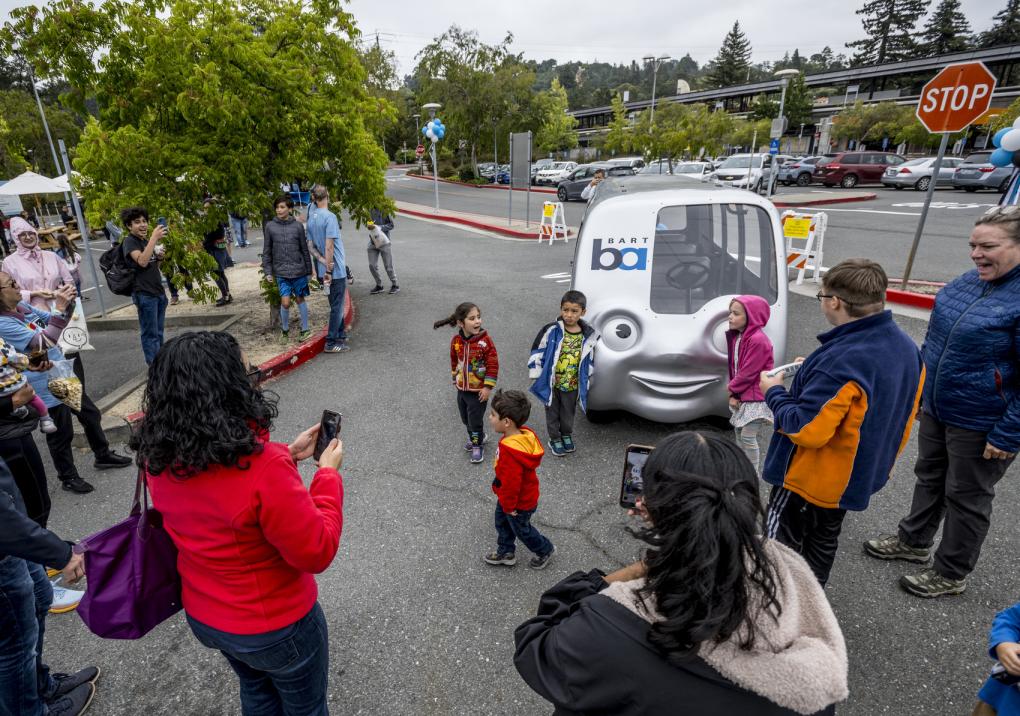
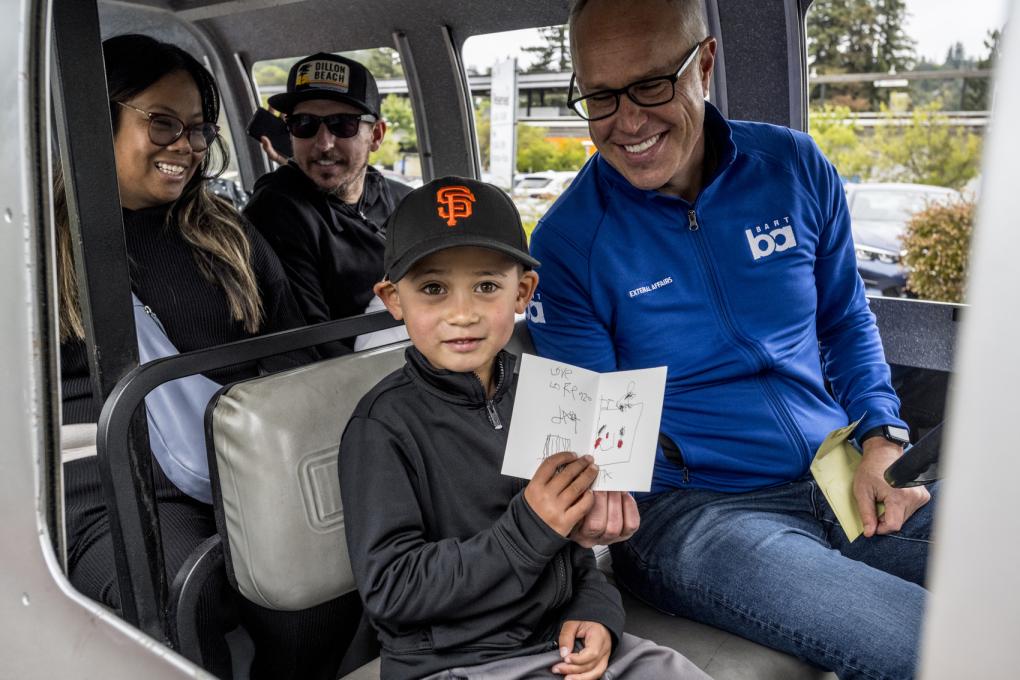

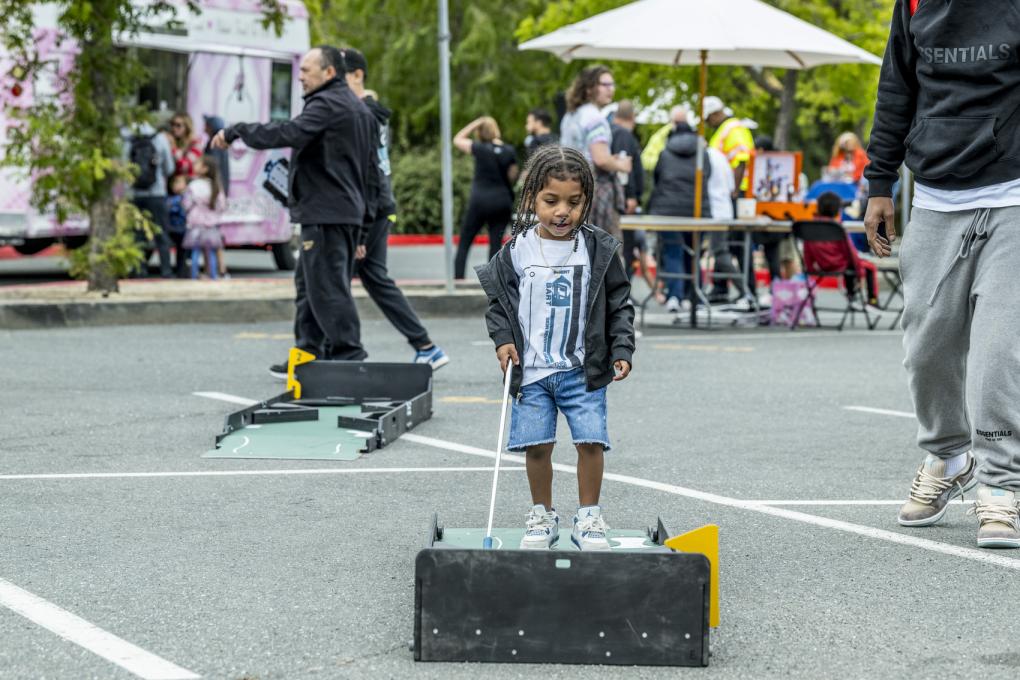
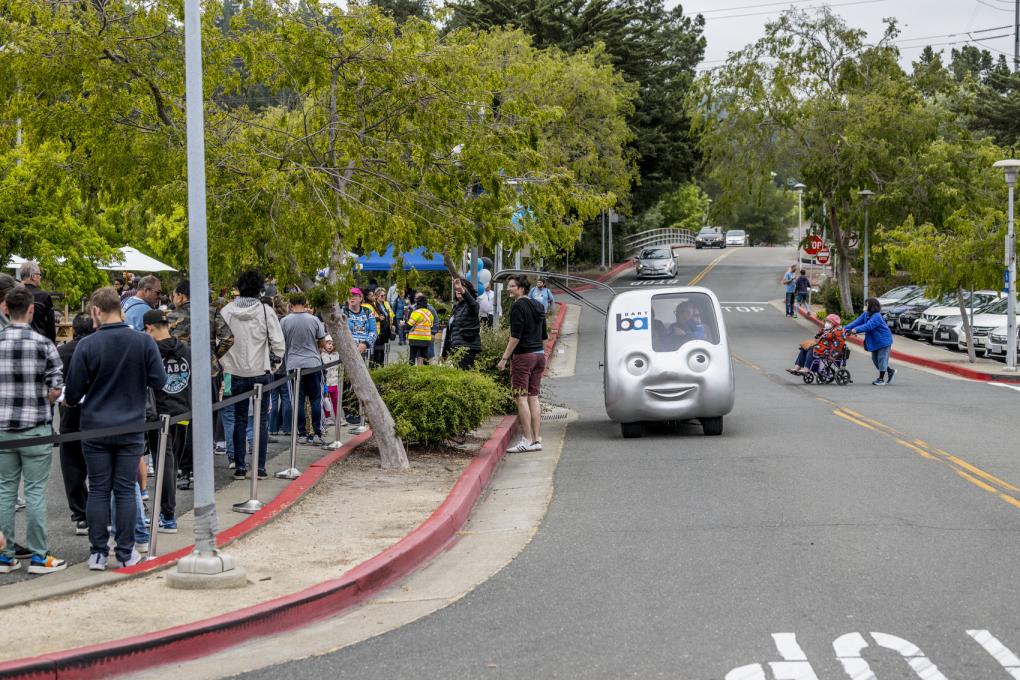
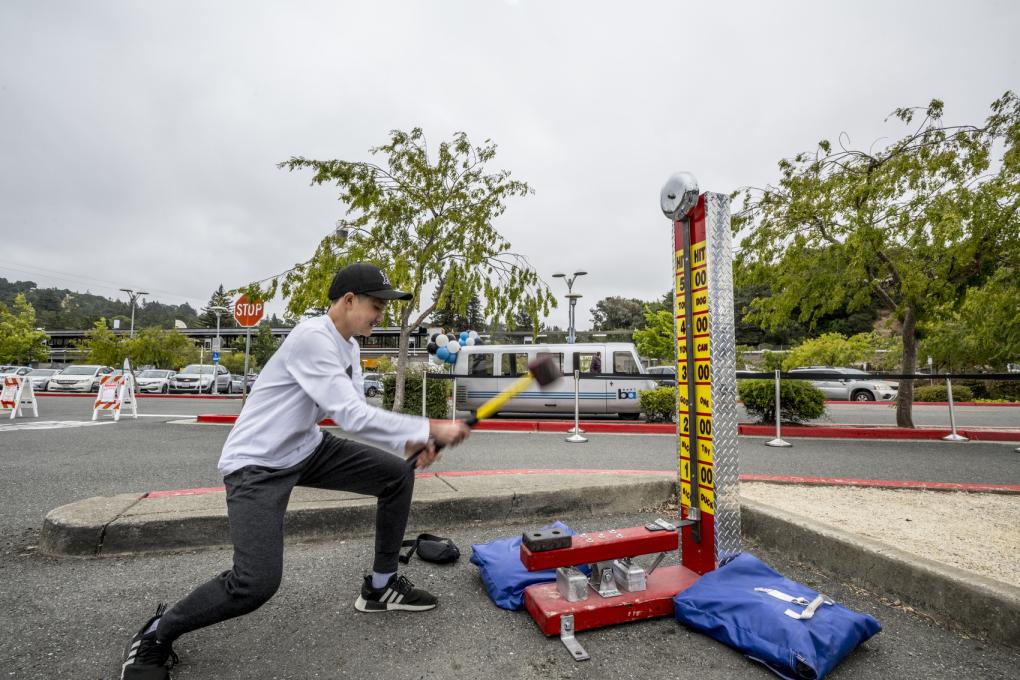

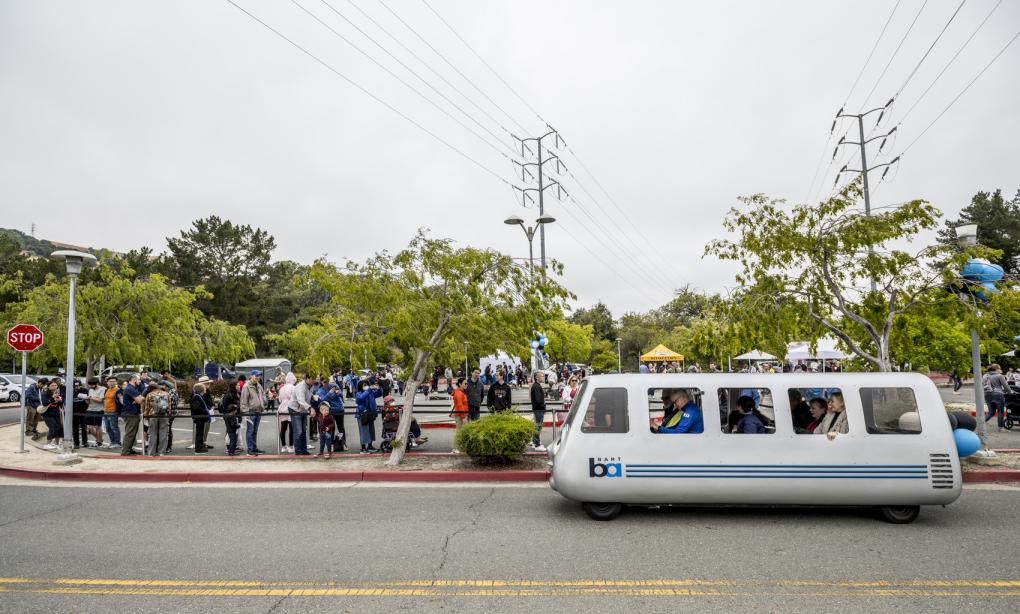
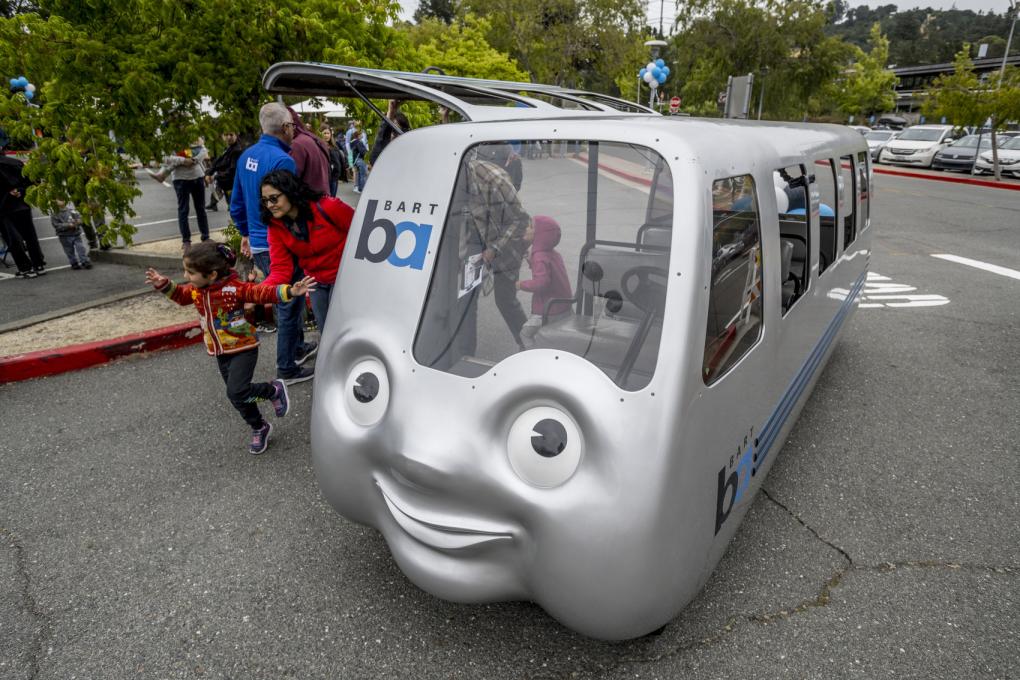



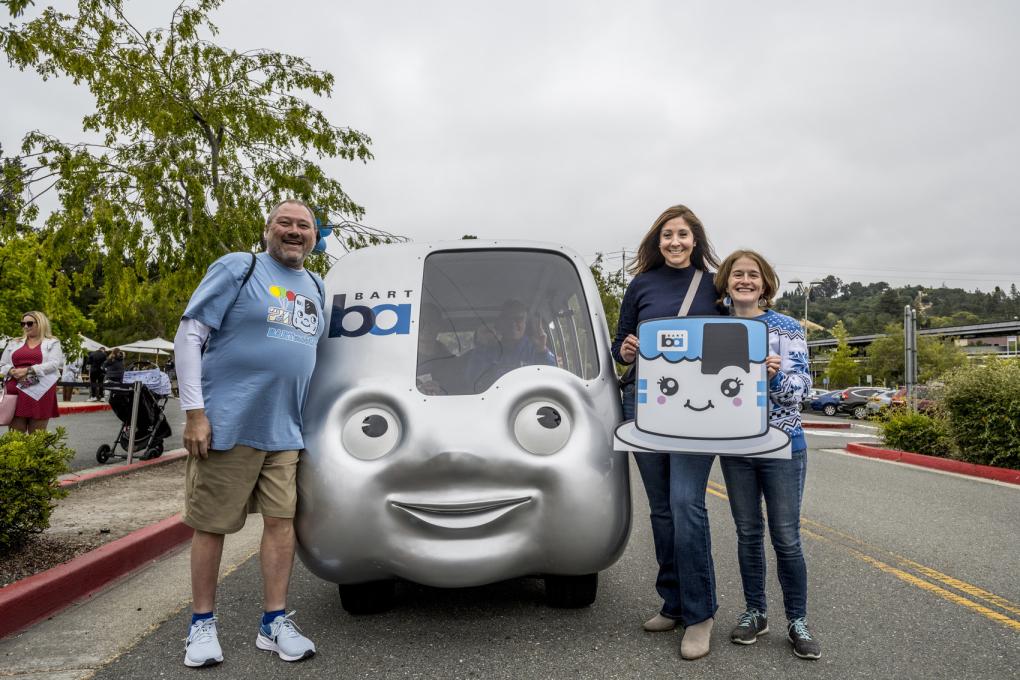
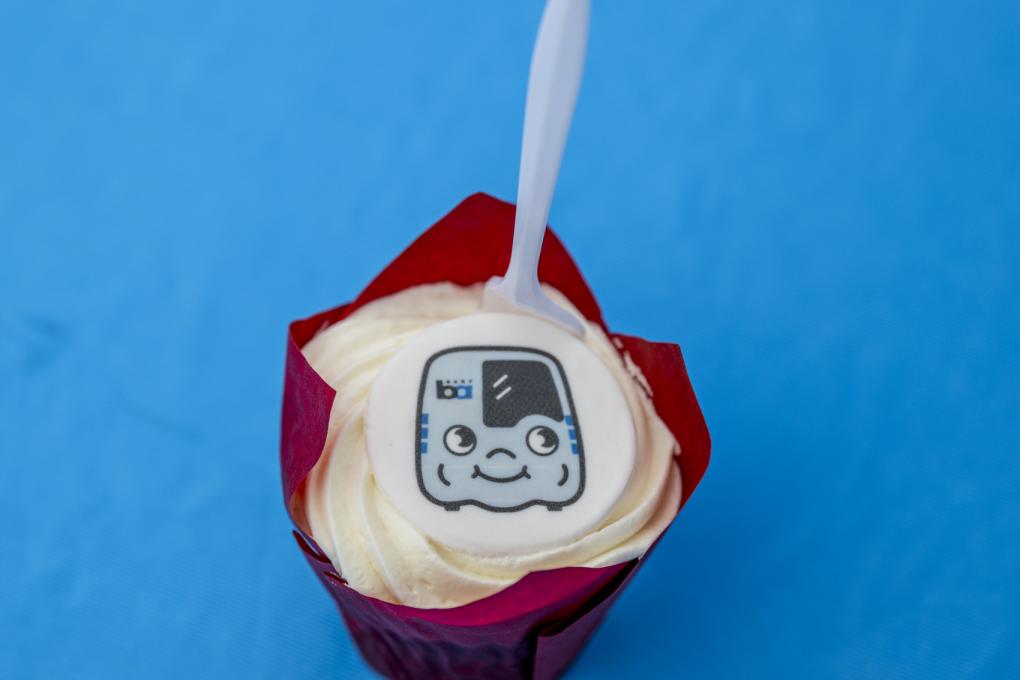


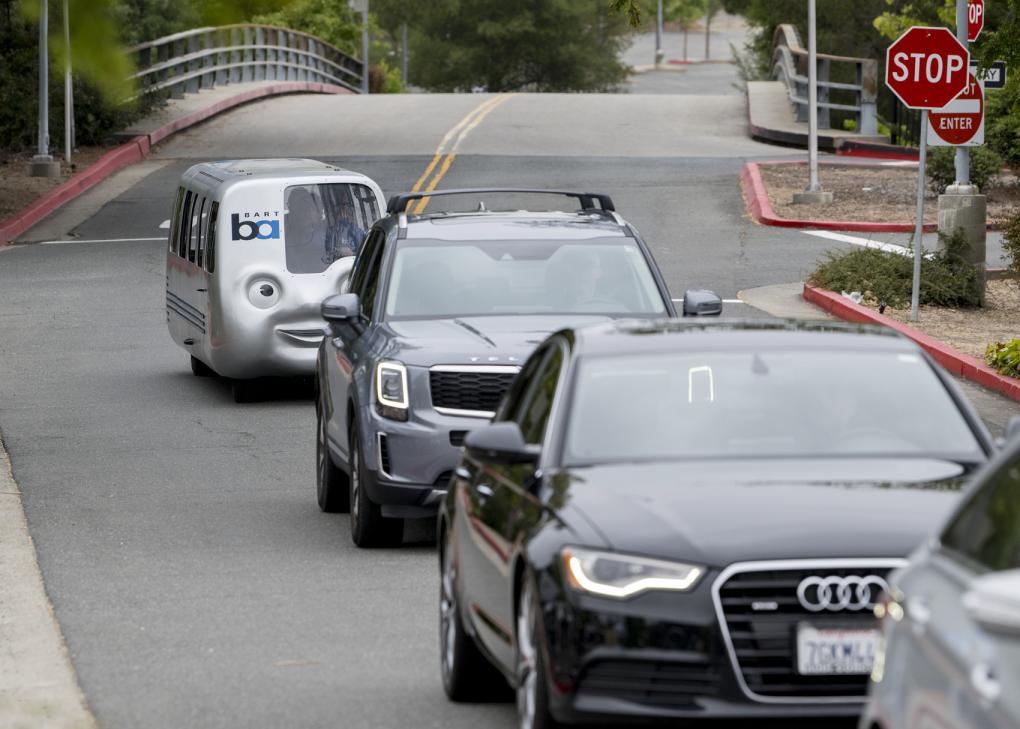
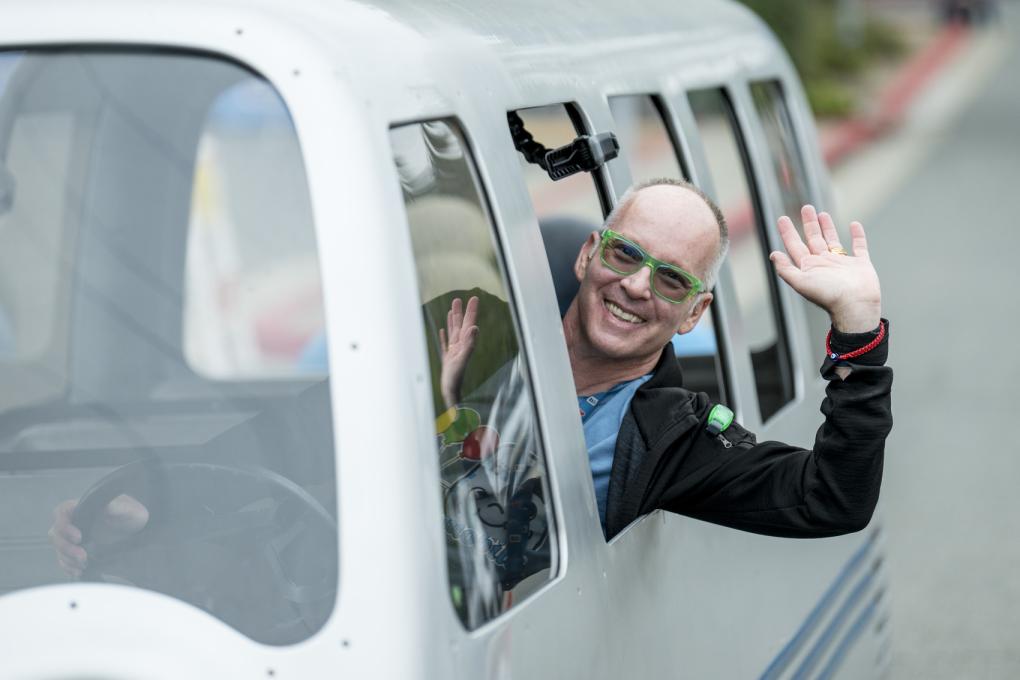

Smiles even bigger than the BARTmobile's famous grin shone from hundreds of faces on Saturday, July 27, when BART hosted a twentieth birthday party for the Bay's beloved transit mascot at Orinda Station. There was face painting, music, carnival games, kettle corn, cupcakes, and lots and lots of BARTmobile rides.
It's a rare ocassion that the BARTmobile bestows the privilege of a ride to non-BART employees, and BARTy fans of all ages seized their chance to take a short spin in the vehicle (which is actually a long golf cart with a custom "skin" over it).
In all, the BARTmobile gave 70 rides during the party, traveling more than 11 miles in just three hours. More than 370 people got a ride, including BART boardmembers Mark Foley (vice president of the board), Rebecca Saltzman, and Melissa Hernandez, who came out to toast the mascot.
At the end of the party, BARTy's handlers, Ricky and Angel, packed him up and put him to bed at the Oakland shops for some much needed rest.
Enjoy snapshots from the day in the slideshow and stay tuned for more BART events this summer.
Installation work to begin week of February 3 for Next Generation Fare Gates at Downtown Berkeley Station
The week of February 3, BART will begin the installation of Next Generation Fare Gates on the concourse level of Downtown Berkeley Station. The installation work will happen in stages so riders can continue to use the remaining current gates while new ones are being installed. There will be additional BART staff as well as signage to direct riders to the open gates. The installation of each new array is expected to take up to two weeks to complete. The work to replace all six fare gates arrays at Downtown Berkeley Station is anticipated to continue into February.
A temporary barrier will be installed around each array when it is ready to be removed to provide a safe workspace for the installation team as well as to protect riders from construction. The work will not impact train service, but riders may experience a few extra minutes wait to pass through the fare gates during peak travel hours.
The latest work comes after BART has successfully installed Next Generation Fare Gates at 16 stations across the system. All 50 BART stations will have new fare gates by the end of 2025. You can learn more about BART’s Next Generation Fare Gates project here.

Installation work to begin Friday, March 14 for Next Generation Fare Gates at Concord Station
On Friday, March 14 BART will begin the installation of Next Generation Fare Gates on the concourse level of Concord Station. The installation work will happen in stages so riders can continue to use the remaining gates while new ones are being installed. There will be additional BART staff as well as signage to direct riders to the open gates. The installation of each new set of gates is expected to take up to two weeks to complete. The work to replace all the gates at Concord Station is expected to continue through the end of April.
A temporary barrier will be installed around each array when it is ready to be removed to provide a safe workspace for the installation team as well as to protect riders from construction. The work will not impact train service, but riders may experience a few extra minutes wait to pass through the fare gates during peak travel hours.
The latest work comes after BART has successfully installed Next Generation Fare Gates at 22 stations across the system. All 50 BART stations will have new fare gates by the end of 2025. You can learn more about BART’s Next Generation Fare Gates project here.
Installation work to begin Wednesday, May 28 for Next Generation Fare Gates at Colma Station
On Wednesday, May 28 BART will begin the installation of Next Generation Fare Gates on the concourse level of Colma Station. The installation work will happen in stages so riders can continue to use the remaining gates while new ones are being installed. There will be additional BART staff as well as signage to direct riders to the open gates. There will also be a service gate available for those riders who would typically use an accessibility gate. The installation of each new set of gates is expected to take up to two weeks to complete.
A temporary barrier will be installed around each array when it is ready to be removed to provide a safe workspace for the installation team as well as to protect riders from construction. The work will not delay train service, but riders may experience a few extra minutes wait to pass through the fare gates during peak travel hours.
The latest work comes after BART has successfully installed Next Generation Fare Gates at 36 stations across the system. All 50 BART stations will have new fare gates by the end of 2025. You can learn more about BART’s Next Generation Fare Gates project here.
Installation work to begin Monday, June 16 for Next Generation Fare Gates at Millbrae Station
On Monday, June 16 BART will begin the installation of Next Generation Fare Gates on the concourse level of Millbrae Station. The installation work will happen in stages so riders can continue to use the remaining gates while new ones are being installed. There will be additional BART staff as well as signage to direct riders to the open gates. There will also be a service gate available for those riders who would typically use an accessibility gate. The installation of each new set of gates is expected to take up to two weeks to complete.
A temporary barrier will be installed around each array when it is ready to be removed to provide a safe workspace for the installation team as well as to protect riders from construction. The work will not delay train service, but riders may experience a few extra minutes wait to pass through the fare gates during peak travel hours.
The latest work comes after BART has successfully installed Next Generation Fare Gates at 37 stations across the system. All 50 BART stations will have new fare gates by the end of 2025. You can learn more about BART’s Next Generation Fare Gates project here.
Installation work to begin Wednesday, June 18 for Next Generation Fare Gates at Berryessa/North San Jose Station
On Wednesday, June 18 BART will begin the installation of Next Generation Fare Gates on the concourse level of Berryessa/North San Jose Station. The installation work will happen in stages so riders can continue to use the remaining gates while new ones are being installed. There will be additional BART staff as well as signage to direct riders to the open gates. There will also be a service gate available for those riders who would typically use an accessibility gate. The installation of each new set of gates is expected to take up to two weeks to complete.
A temporary barrier will be installed around each array when it is ready to be removed to provide a safe workspace for the installation team as well as to protect riders from construction. The work will not delay train service, but riders may experience a few extra minutes wait to pass through the fare gates during peak travel hours.
The latest work comes after BART has successfully installed Next Generation Fare Gates at 36 stations across the system. All 50 BART stations will have new fare gates by the end of 2025. You can learn more about BART’s Next Generation Fare Gates project here.
Installation work to begin Wednesday, June 25 for Next Generation Fare Gates at Union City Station
On Wednesday, June 25 BART will begin the installation of Next Generation Fare Gates on the concourse level of Union City Station. The installation work will happen in stages so riders can continue to use the remaining gates while new ones are being installed. There will be additional BART staff as well as signage to direct riders to the open gates. There will also be a service gate available for those riders who would typically use an accessibility gate. The installation of each new set of gates is expected to take up to two weeks to complete.
A temporary barrier will be installed around each array when it is ready to be removed to provide a safe workspace for the installation team as well as to protect riders from construction. The work will not delay train service, but riders may experience a few extra minutes wait to pass through the fare gates during peak travel hours.
The latest work comes after BART has successfully installed Next Generation Fare Gates at 37 stations across the system. All 50 BART stations will have new fare gates by the end of 2025. You can learn more about BART’s Next Generation Fare Gates project here.
Installation work to begin Wednesday, July 9 for Next Generation Fare Gates at South San Francisco Station
On Wednesday, July 9 BART will begin the installation of Next Generation Fare Gates on the concourse level of South San Francisco Station. The installation work will happen in stages so riders can continue to use the remaining gates while new ones are being installed. There will be additional BART staff as well as signage to direct riders to the open gates. There will also be a service gate available for those riders who would typically use an accessibility gate. The installation of each new set of gates is expected to take up to two weeks to complete.
A temporary barrier will be installed around each array when it is ready to be removed to provide a safe workspace for the installation team as well as to protect riders from construction. The work will not delay train service, but riders may experience a few extra minutes wait to pass through the fare gates during peak travel hours.
The latest work comes after BART has successfully installed Next Generation Fare Gates at 40 stations across the system. All 50 BART stations will have new fare gates by the end of 2025. You can learn more about BART’s Next Generation Fare Gates project here.
Installation work to begin Friday, July 25, for Next Generation Fare Gates at Fremont Station
On Friday, July 25, BART will begin the installation of Next Generation Fare Gates on the concourse level of Fremont Station. The installation work will happen in stages so riders can continue to use the remaining gates while new ones are being installed. There will be additional BART staff as well as signage to direct riders to the open gates. There will also be a service gate available for those riders who would typically use an accessibility gate. The installation of each new set of gates is expected to take up to two weeks to complete.
A temporary barrier will be installed around each array when it is ready to be removed to provide a safe workspace for the installation team as well as to protect riders from construction. The work will not delay train service, but riders may experience a few extra minutes wait to pass through the fare gates during peak travel hours.
The latest work comes after BART has successfully installed Next Generation Fare Gates at 40 stations across the system. All 50 BART stations will have new fare gates by the end of 2025. You can learn more about BART’s Next Generation Fare Gates project here.
Installation work to begin Friday, August 1, for Next Generation Fare Gates at San Bruno Station
On Friday, August 1, BART will begin the installation of Next Generation Fare Gates on the concourse level of San Bruno Station. The installation work will happen in stages so riders can continue to use the remaining gates while new ones are being installed. There will be additional BART staff as well as signage to direct riders to the open gates. There will also be a service gate available for those riders who would typically use an accessibility gate. The installation of each new set of gates is expected to take up to two weeks to complete.
A temporary barrier will be installed around each array when it is ready to be removed to provide a safe workspace for the installation team as well as to protect riders from construction. The work will not delay train service, but riders may experience a few extra minutes wait to pass through the fare gates during peak travel hours.
The latest work comes after BART has successfully installed Next Generation Fare Gates at 41 stations across the system. All 50 BART stations will have new fare gates by the end of 2025. You can learn more about BART’s Next Generation Fare Gates project here.