
Search Results
Entrance Alert: Escalators at North end of Embarcadero out of service
Both escalators at the North end (nearest the Ferry Building) at Embarcadero Station are out of service, one for unscheduled maintenance and the other for a planned replacement. Stairs remain open at Drumm and Market (near the cable car turnaround). The station has three other escalators connecting the concourse to the street, as well as an elevator.
The escalator near Drumm Street suffered a major mechanical breakdown in mid-March. The unit is expected to be repaired and back in service by the end of April.
Meantime, crews are working to install a new, more reliable escalator at the North entrance on the other side of Market Street. It's one of 22 street level escalators BART is replacing along with 18 concourse to platform units as the single largest project for escalator replacement in BART history.
Notice of discussion on proposed surveillance technologies September 24, 2026
BART is giving notice of documents related to surveillance technology that will be discussed at the September 24, 2026 meeting of the Board of Directors.
2026 Surveillance Annual Report
There are also two projects seeking approval for surveillance technology use as listed below with their respective Surveillance Impact Reports (SIRs).
Notification to the Board of Directors
SIRs should be read in concert with the existing Surveillance Use Policy for closed-circuit television (CCTV) (adopted on October 25, 2018).
Surveillance Impact Report for BART Police Department Headquarters
Surveillance Impact Report for Union City Intermodal Improvements (Northeast Entrance)
The Annual Report and SIRs will also be available for review in print on or after September 9, 2026 at the Office of the District Secretary, 10th Floor, 2150 Webster St, Oakland CA 94612
Podcast: Lessons from Switzerland can improve your ride on Bay Area transit
(Transcript below)
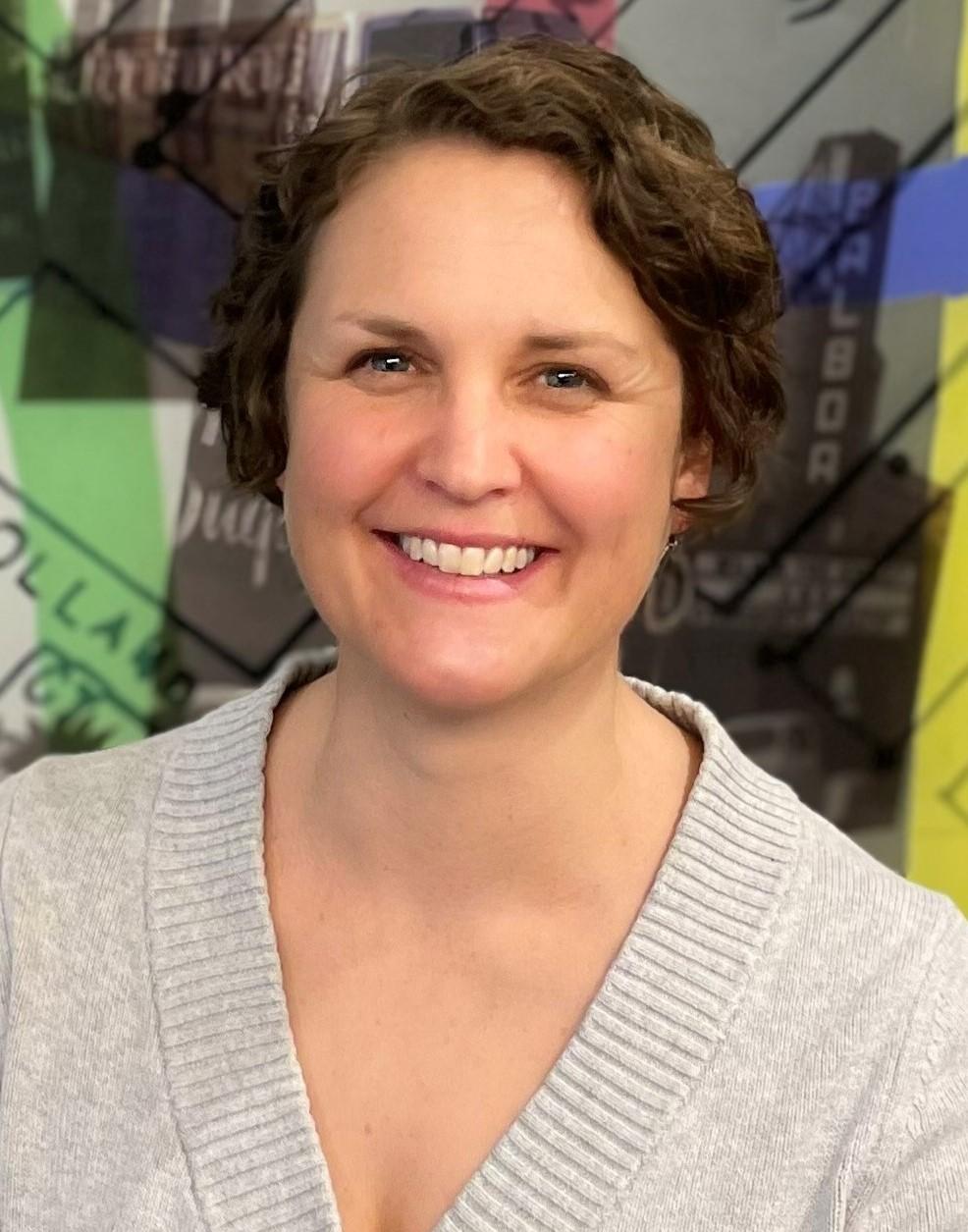
BART COMMUNICATIONS OFFICER CHRIS FILIPPI: “The accuracy of Swiss timing is well known across the globe but it’s the precision, coordination, and prioritization of their transit system that has the potential to benefit riders here in the Bay Area. ‘Welcome to Hidden Tracks: Stories from BART.’ I'm your host, Chris Filippi, and on this edition of Hidden Tracks, I'm joined by Hannah Lindelof, who is BART's Manager of Strategic and Policy Planning. She's been heavily involved in BART's efforts to make transit in the Bay Area more seamless through fare integration, schedule coordination, and other initiatives.
Lindelof was recently part of a study group that visited Switzerland to observe their integrated transit system in action. She's now back and has many lessons learned about how the Bay Area can put the rider first and make public transit the most appealing option for more people. Hannah, welcome to Hidden Tracks.”
BART MANAGER OF STRATEGIC PLANNING HANNAH LINDELOF: “Thanks, Chris. I'm very happy to be here. “
FILIPPI: “So, the first question is how come I didn't get an invite? “
LINDELOF: “No. No, I feel very lucky to have been invited. It was a wonderful experience.”
FILIPPI: “It sounds amazing. So, tell us about the trip. Who went, how long were you there, and what did you see?”
LINDELOF: “We were there for about a week, and it was really a focused trip on, to learn about the how the Swiss, government really runs their transit system. We met with all levels of Swiss government. There were about six different transportation agencies from the Bay Area represented, as well as representatives from MTC (Metropolitan Transportation Commission), Seamless Bay Area, SPUR (the San Francisco Bay Area Planning and Urban Research Association) and the FRA and Honolulu was also present.”
FILIPPI: “Wow, what a cross-section.”
LINDELOF: “Yeah, it was a great mix. great crowd of transportation professionals and we visited with levels of, Swiss government at the federal level, at the canton (like a US state) level, we met with private industry, and we met with transit operators in Switzerland.
We had a very busy schedule. We were like, back-to-back meetings and, meeting different people and getting presentations. They were very generous with their time and information and, it was like a crash course in running a very efficient system.”
FILIPPI: “So why go to Switzerland? Why is this a good case study to look at?
LINDELOF: “Switzerland is actually roughly the same size as the Bay Area, both in geography and in population so in terms of scale, they're very similar. They also have they have complicated geography, they have the mountains, which they’re very famous for. Beyond that, it's just really that they have an excellent transit system and so they make a fabulous case study. We’re always looking to best practices, what are the best practices in transit? And they really exemplify that in many ways. So, it makes a good case study.”
FILIPPI: “You mention that Switzerland and the Bay Area actually have similar sizes but the origination of Switzerland versus what we’re used to in the Bay Area, or if you will the Northern California Megaregion, they really are different aren’t they?”
LINDELOF: “They’re pretty different and I would say Switzerland is a little bit in some ways more complex. They have very clear policies that make it feel seamless. We have 27 operators in the Bay Area, there are 37 in the Zurich Canton alone, so just one major city or county and then 260 nationwide.
But when you look at even beyond that, we have 101 cities in the Bay Area in the nine county Bay Area. So, we have nine counties, 101 cities. It feels like a lot. But in Switzerland they have 2,212 municipalities, so it's really quite a lot more and they have 26 cantons, which I think would be the closest, comparison would be to those are essentially counties. But they have 26 cantons, they have 20 tariff associations. So, when their fair program, it's very seamless from the rider end but on the back end there's a whole lot of negotiation and complexity that it goes on between 20 different tariff associations. And then they also have something called agglomerations of which they have 52, which is really the level at which they do their sort of projections for growth and considerations of like where they need, where there will be growth and need for more transit in the future. It’s complex.”
FILIPPI: “To say the least and I’m just sitting here wondering, obviously they build consensus on the value of transit. But how do they do that with so many organizations and so many cantons and all these other forms of government?”
LINDELOF: “So, they have some very clear direction from the federal government coming down and it is just sort of t each level they develop it further and it and it kind of keep continues to flow down. I think there's a lot of back and forth, as particularly at those smaller, the more nuanced levels of government, between the cities and the cantons and, between the transit agencies and the and the regional transit bodies.
So, I think that there is a lot of back and forth in development. They have direct democracy. They take almost every funding decision to the general public, and they have a 50% threshold, to approve those voter initiatives, but they take votes out to the public maybe four times a year. So, they have a regular system at which they just get the general population to weigh in on whether or not they should do something.”
FILIPPI: “So that's a lot of buy in, a direct buy in.”
LINDELOF: “A direct buy in and here we're always strategizing to think about the next presidential election or the next time we're going to have a good voter turnout and there it's really just multiple times a year. They're going out to voters for feedback on various ways of, investing.”
FILIPPI: “This whole decision to prioritize this and to have this level of coordination had to start somewhere. Where do you see as the origin for that? How did that come into being that everybody decided that this was such a priority that we’re going to coordinate the way that we do?”
LINDELOF: “I think there's some directive from the Swiss government, but it's really driven by the populace. They really demand a high-quality network. They have a legacy of high-quality transit investment in the country, and they have had some ups and downs. So, they did have a couple of initiatives that failed with voters, and it caused the government to rethink how they were running transit at the federal level first and that's when they developed this pulse network. In the city of Zurich, they had a failed measure, and they really had to rethink how they manage transit in the canton, and they came back to voters with a better coordinated network that they now operate. They are up to, I think, a 60% transit mode share for the commute trips. And they have I think nationwide, they have a 21% mode share for transit and it's really part of their sustainability plan for the country. So, all their rail is electrified, and that's really trying to be a zero-emission country.”
FILIPPI: “One of the things I'm struck by it is there seems to be, as one might anticipate, a cultural difference there, when it comes to having a car centric society. That's something we always think of in the U.S. and even here in the Bay Area is we're really for so many things it's driven by the car. But it sounds like there's a different outlook in Europe.”
LINDELOF: “Oh, absolutely. I mean, I think you can have, good transit service doesn't work on its own. It's really paired with a variety of transit supported policies. They have deprioritized cars, particularly in the urban areas where they have the parking is not central to the downtown areas, they really push that either underground or to the outskirts of the city. They have transit priority; they have many trams and busses that run through the city. They have transit priority lanes as well as signaling to make sure that those services are prioritized at the street level also. So, there's cars in the city, but it's really not the focus. the focus is really transit and people.
I think the other really striking feature of the Swiss experience was just that there were so many people out and about and enjoying the vibrant city street culture, and it really rolled right onto transit. So, you have people out dining and walking on the streets, and then also, in Switzerland, they actually have, this and this really to me speaks to some of the cultural differences but they don't have fare gates. They don't allow any, requirement. You just walk on and off of transit and it's proof of payment when you're on the system. So, really it just feels like part of the street culture. You're just like one walk on and walk off the trains or the busses or whatever it may be.
They have a much higher density of the housing stock there. So even their very historic housing spike, five story apartment buildings that people live in and so you really have a lot of people coming down to use the streets in the public spaces as part of their, just day to day life. You know, have the same suburban kind of backyard culture that we have here that's harder to serve with transit.”
FILIPPI: “Yeah, and here in the Bay Area, we're just getting our feet under ourselves when it comes to transit-oriented development. That's been a priority for BART, but it sounds like in Switzerland they've had it for decades, if not longer.”
LINDELOF: “Absolutely. Yeah. Sort of a core to how their, how their cities are structured. I think there's a lot of opportunity in the Bay Area to really get us there and get that higher density housing, near transit and really walkable environments that really invite people to move around more freely.”
FILIPPI: “Yeah. Hannah, you've described a really robust transit system for the Swiss. How do they pay for it?”
LINDELOF: “So they have a complicated funding structure, but really, they have some money that comes in through the federal government. Then at the local level, we really focused on Zurich. So, we did we spend a little bit of time in Bern, that’s where their federal government is more focused, and then we spent a lot of time in Zurich learning how that particular city really manages their planning and their transit network. Their structure, they have roughly 50% of the services paid for by fares. So, at BART we used to have a very high fare box recovery rate. Post pandemic it's been much more challenging for us. They’re around 50% fare box recovery and then they split sort of the cost of transit then between the cantons and the jurisdictions. So, they all chip in to pay for the transit services, in the local areas. They negotiate those costs based on this long-range planning initiative that they do where they have the detailed timetabling that they're doing far in advance.
They have this robust transit network that's very well integrated into people's day-to-day lives and then they know they can rely on it to get to wherever they need to go. I think that that supports a culture where people are very willing to pay for transit and so they have this virtuous cycle whereas people use transit more and can know that they can rely on transit, they're more willing to invest in transit in their communities and make it even better. Use it for our purposes and so it does create this cycle where there's just an increasing mode share and an increasing willingness to invest in transit.”
FILIPPI: “That’s huge, isn't it?”
LINDELOF: It's huge. Yeah. I think it's really, it's, one of the biggest lessons, I think, that we learned there. It's sort of intuitive also but it is something that was really a great takeaway of you have to provide the great service and then people are willing to invest in that service.”
FILIPPI: “A robust transit give people a real option and it pays off and you get more riders. And here you have an example where that's actually happening.”
LINDELOF: “Yes, absolutely. Yeah, and their ridership is pretty much back to pre-pandemic.”
FILIPPI: “I want to come back to one of the things you talked about, the design of the system where there really aren't fare gates and you just walk on and off the trains, and it's so hard to imagine from a Bay Area perspective. Here, one of our biggest priorities is installing new fare gates to promote safety in the system. So, it's a really different approach and it strikes me the difference between the two cultures. I mean, it must be very different when it comes to concerns about safety, crime, many of the things that we do hear about here.”
LINDELOF: “I don't think I saw any homeless people. There was not a generalized fear of crime. I think in talking with one of the, I think it was the ZVV who are the Zurich transportation authority, I think they had indicated that in the 80s, there had been an assault or something like that and they were still kind of trust building from that event.
But it is just the atmosphere and the culture in which they're operating is just completely different and that it's really a very safe environment. and unfortunately, we're still grappling with a lot of, safety concerns in the Bay Area.”
FILIPPI: “So, you had this opportunity to see this system firsthand with relatively low crime, completely inviting, robust, very limited headways, with all kinds of transit options, everything that you observed, it had to be one especially impressive but when you came home, did you have a sense that this was something we could aim for here in the Bay Area?”
LINDELOF: “I think it is something we should strive for in the Bay Area, certainly, and I think that we have the potential here for sure. We do have some very dense urban core downtown areas that would lend themselves better to transit. I think for the Bay Area, one thing we really need to focus on, is transit priority on our streets. It's very challenging, for a very car-oriented culture, but it really would improve those transit connections. So, a lot of bus services connect to BART, but they're less reliable because they get stuck in traffic trying to, get to the BART station. The time to travel is also much greater. I think BART provides a fabulous backbone for that network that could be developed, though. I think the potential is absolutely here.”
FILIPPI: “Yeah. Let's talk about how BART’s advancing the idea of seamless transit in getting folks to realize the robust system that we do have and making it easier for people to use and to transfer from system to system. What are some of the initiatives we've been pursuing at BART?”
LINDELOF: “So we do. We are very involved, with the transit, the fare integration program. So, trying to advance we've been developing the Bay Pass program. when Clipper 2.0 rolls out, we'll be able to implement, a transfer discount.
So, in Switzerland, you would not know what agency you're riding with. There are 37 agencies in Zurich, but you just pay your fare, and then it's all worked out on the back end. So that level of fare integration, I think would be more down the line. And I'm not sure, you know, at what point we'll get there as a region. But in the near term we have the Bay Pass program, which does allow, people with the pass to ride across all of the agencies in the Bay Area seamlessly. And we will be implementing the transfer discount once the Clipper 2.0 rolls out.
We've also been doing a lot of work on schedule coordination, trying to improve the timing of when we change our schedules, so everybody makes their schedule changes at the same time of the year. We can have a cohesive message to the public about what those changes are and over time, keep improving. The connections to BART from other operators and vice versa.”
FILIPPI: “You mentioned Clipper Bay Pass. That's a really successful program. It generated a lot of trips, targeting large companies in the Bay Area, nonprofits, universities to get their participants involved and to use transportation more and one of the things that jumps out at me is there was a huge jump in the number of people who use transit because they had this program that made it easy for them.”
LINDELOF: “Yeah, absolutely. Making it easier to ride transit and taking down those barriers is key. Over the last year or two years, we've been building up in coordination with other operators and with MTC, we've been building up a regional network management structure. So, we have some formal mechanisms by which operators in the Bay Area and MTC are very closely coordinated to improve transit, to have some structures within which to improve the wayfinding network, which is the signage for the systems, and the mapping, and then also to improve the fare coordination, schedule improvements. And we have developed some metrics so we can track ourselves and see how we're doing, see if we can make some improvements that are impactful enough for the riders that we can keep bringing people back onto the system.”
FILIPPI: “Yeah. One of the takeaways from, Clipper Bay Pass that I'm struck by is the feedback from those who used it. College students, employees at the companies that were participants in the program, and it seemed almost universally, maybe not universally, but many of the participants said that it just made transit easier for them. That all of a sudden, going from BART to Muni or from BART to VTA (Valley Transportation Authority) or whatever it might be just seemed so much simpler for folks. It seems like that's a really critical part of this, to demystify transit for folks so they don't have to worry about what agency they're on.”
LINDELOF: “Oh, absolutely. You don't have to make a choice. You know you have the ability to just go on to the other system. You don't have to decide whether or not you want to pay the extra fare. You just need to know how to make the connection, and you can go right ahead.”
FILIPPI: “One of the buzzwords you hear around this is regional network management or a buzz term, if you will. What exactly does that mean?”
LINDELOF: “So that's a good question. Regional network management is really a structure that we've set up between the operators and MTC to improve coordination amongst agencies and to set some targets. So, we've set out an action plan, of different efforts that are underway amongst operators and MTC to try to improve the rider experience.
The regional network management structure is really, there's kind of three pieces of that, probably. There's the MTC committee that sort of gives some policy direction on how we should be advancing these improvements throughout the region. There's the council, which is really a collection of the transit general managers who come together to help make those executive decisions and provide feedback to ensure that these are implementable efforts that are underway and to really, make sure that they're moving along and then the last thing is just the staff, the staffing for this. So, MTC has a new branch that has some staff assigned specifically to improving transit in the region and there's a lot of co-management with transit operator staff to make sure that we're moving these different improvements along.”
FILIPPI: “Are you encouraged by the progress that's being made?”
LINDELOF: “I am, yes, I think there's a lot of great work underway and as we move more of these efforts from the planning stage and out into the public eye, I think that the riders are going to really experience an improvement.”
FILIPPI: “Yeah, talk about that. Like how are they going to see it? I know, for example, signage is a big deal, right, that we're moving forward in that direction to have a similar look with other agencies.”
LINDELOF: “That's right. So, I think this fall we should be getting prototypes out. So, we'll start just at a few stations. People will be able to actually see the look and feel for the new signage that will be rolling out through all transit operators in the region. So, we'll have a common look and feel, a common mapping structure that will be at every single station so once you're familiarized with one station, you really will have that same language at every station that you go to learn your way through the system.”
FILIPPI: “Overall, what would you say is the greatest challenge on this front going forward?”
LINDELOF: “Well, I think really when you look at the Swiss example, the thing that they really have is a high level of service. One of the pieces that BART's less involved in because we just, we have our fixed rail system is the transit priority work. What I mentioned, like getting the busses out of traffic. That's really a big struggle for the Bay Area, I think and how do we get those other systems to be more seamless, have a higher level of reliability and shorten those travel times. That's really, getting that really high-quality service on the ground is really, I think, the biggest challenge because it requires more funding and there's a shortage of funding across many agencies right now in the Bay Area.”
FILIPPI: “We hear so much in the Bay Area about the fiscal cliff and the doom loop. The idea that if we make a bunch of cuts, we're only going to have trains once an hour, we're going to close stations, no weekend service, all these doomsday scenarios. One of the concepts there is as you cut transit service, fewer people are going to ride it as fewer people ride it, you get less in fares, as fares go down, it just builds upon itself. But it seems like one of the lessons of the trip to Switzerland is it's possible to go in the different direction with a virtuous loop.”
LINDELOF: “Absolutely, yes. You want that virtuous cycle of investment. People must feel that they can use transit for their day-to-day activities and not just commuting. Also, the vast majority of trips, well in Switzerland are leisure trips, and they have captured the high mode share of people that are traveling for work, but also traveling to visit friends or to go visit the countryside. You can even go to the countryside on transit. It really goes everywhere that you would need to go.”
FILIPPI: “Yeah, and that gets back to the core mission of BART. When you think about it, when it was originally being planned is we needed a system that would be an attractive alternative to driving. So, it had to be robust, it had to be reliable and here we see it in practice that it does make a difference.”
LINDELOF: “Yeah, having frequent, reliable service is the thing people need to be able to shift their habits and get onto transit and start riding transit and then if you are a transit rider, you're much more likely to want to support transit in the region. Although I would say that even for people who drive, transit is a huge benefit because it's getting other people off the roads and reducing congestion for everybody. So, I think that’s another thing to keep in mind.”
FILIPPI: “Hannah Lindelof, BART’s Manager of Strategic and Policy Planning, thanks so much for joining us.”
LINDELOF: “Thanks for having me.”
FILIPPI: “And thank you for listening to ‘Hidden Tracks stories from BART.’ You can listen to our podcast on SoundCloud, iTunes, Google Play, and of course at our website, bart.gov/podcasts.”
Bus Bridge and Green Line Cancellation Alert: Free buses replace trains between Union City and Warm Springs/South Fremont May 11-12.
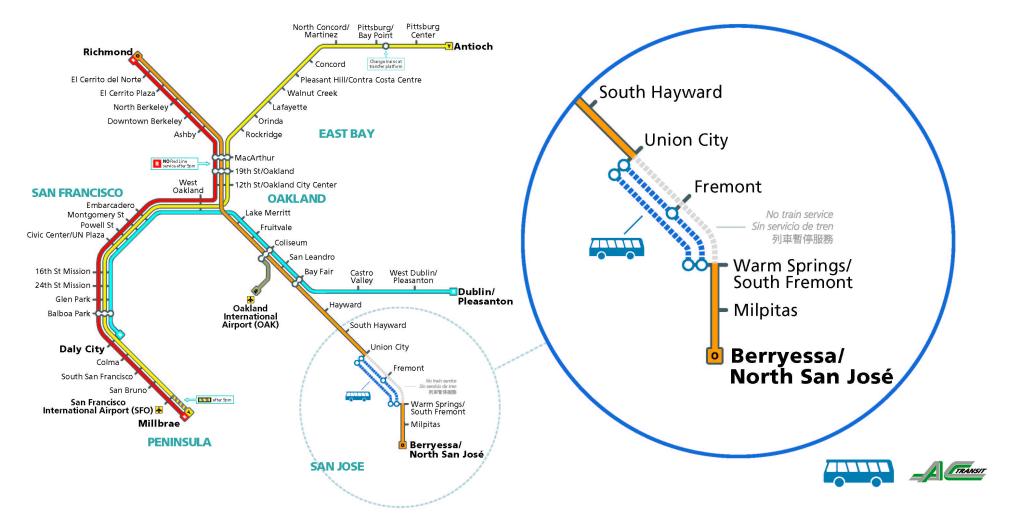
BART crews will be in the trackway between Union City and Warm Springs/South Fremont stations replacing aging equipment as well as managing vegetation that could impact service. To ensure a safe workspace for the team, there will be no train service between Union City and Warm Springs/South Fremont on Saturday May 11 and Sunday May 12. Instead, free buses provided by AC Transit will move riders between the Union City, Fremont, and Warm Springs/South Fremont stations. Riders can expect delays ranging from 20 to 40 minutes on the shutdown weekend of 5/11-12. The work will also require us to shut down the Green Line for the weekend.
The bus bridge will feature direct service between Union City and Warm Springs/South Fremont as well as hopper service that will also stop at Fremont Station. Fremont Station will offer no train service but will remain open for buses.
There will be a train shuttle service between Warm Springs/South Fremont and Berryessa/North San Jose. Northbound departure times will be adjusted ten minutes earlier. The last two evening trips from Berryessa/North San Jose normally scheduled for 11:36pm and 11:49pm will be cancelled. Riders should instead use the train that departs at 11:26pm. Northbound trains from Union City will be shifted six minutes earlier than the current schedule at Union City, South Hayward, and Hayward stations. Riders headed for San Francisco should plan to transfer to a Blue Line train at Bay Fair Station.
This upcoming work is part of BART’s overall effort to improve safety and reliability of the 131-mile, 50 station system. There are now more rebuilding projects happening across BART than at any point in its 50-year history. You can learn more about the progress of this work by reading the 2023 Measure RR Annual Report published by the independent Measure RR Bond Oversight Committee.
You can keep up with the latest updates for trackway repair projects that impact service by going to our Alerts and Advisories page.
(This article was originally published March 31st)
Bus Bridge and Green Line Cancellation Alert: Free buses replace trains between 24th Street/Mission and Daly City stations June 1-2
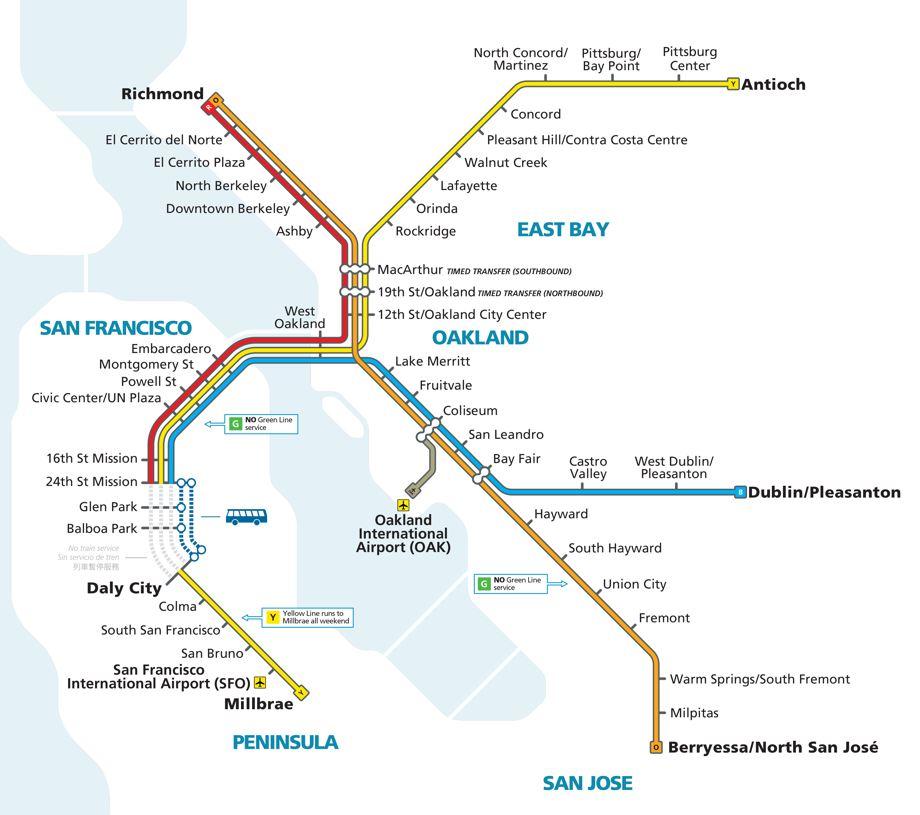
On the weekend of June 1-2, BART crews will be making trackway improvements and managing vegetation that could impact service between 24th Street/Mission and Daly City stations. To ensure a safe workspace for the project team, free buses will replace trains from 24th Street/Mission to Daly City. Riders can expect delays of up to 30 minutes on the work weekend.
Key service impacts the weekend of June 1-2:
*Green Line service cancelled.
*No Red Line service from Millbrae to Daly City. Yellow Line trains will serve that portion of the system with 20-minute headways all weekend.
*Yellow, Blue, and Red lines will turnback at 24th Street/Mission Station.
*SamTrans providing direct bus service between 24th Street/Mission and Daly City.
*Muni providing hopper bus service between 24th Street/Mission, Glen Park, Balboa, and Daly City stations.
*Glen Park and Balboa Park stations to be closed except for bus service.
*The last regularly scheduled northbound departure from Millbrae to Daly City will be cancelled. The last northbound departure from Millbrae will be at 11:40pm and SFO at 11:47pm
The work team will make the most of its time in the closed trackway. Crews will replace aging rail, install new equipment to support the traction power system, enhance tunnel lighting, and advance other key improvements. The equipment being replaced is decades old and has outlived its design life. Riders will enjoy a smoother, safer, more reliable, and quieter ride once the projects are complete.
This upcoming work is part of BART’s overall effort to improve the safety and reliability of the 131-mile, 50 station system. There are now more rebuilding projects happening across BART than at any point in its 50-year history. You can learn more about the progress of this work by reading the 2023 Measure RR Annual Report published by the independent Measure RR Bond Oversight Committee.
You can keep up with the latest updates for trackway repair projects that impact service by going to our Alerts and Advisories page.
(This article was originally published 4/23/24)
Single Tracking Alert: Service reduced to one track at midnight on Thursday, March 5 between Coliseum and Bay Fair stations for track work
(3/5/2026 Update) The work that had been planned for March 4th was postponed to Thursday, March 5. Riders should expect delays of 15-20 minutes starting at midnight tonight in the work area. The work is expected to be complete in time for the start of regular Friday morning service.
Service will be reduced from two tracks to one starting at midnight on Wednesday, March 4 between Coliseum and Bay Fair stations so BART crews can replace a component of one of our interlockings. Interlockings are essential parts of the BART system that allow trains to safely move from line to line. Riders should expect delays of 15-20 minutes from midnight until the normal end of service overnight. The work is expected to be completed in time for the start of regular Thursday morning service.
Entrance Closure Alert: Market and Beale streets entrance at Embarcadero Station to close 9/5 for canopy work
On Tuesday, September 5th the Embarcadero Station entrance at Market and Beale streets will be closed for up to eight months to build a new canopy. The new canopy will protect our escalator at this entrance from the elements to help limit breakdowns.
While this entrance is closed, patrons will still be able to use one of the other entrances to the station, including the Market and Pine entrance across the street.
Over the next 4-5 years BART will construct 16 canopies on Market Street over downtown station entrances. As part of a separate project, new escalators will be installed at each of these locations following the canopy construction. In addition to protecting new escalators, the canopies will improve safety and reduce station maintenance costs.
We thank you for your patience as we work to complete this important construction project. For more information on this project visit: bart.gov/about/planning/sfentrances.
Single Tracking Alert: Service to be reduced to one track between Balboa Park and Daly City on Sunday, April 13
On Sunday, April 13, BART workers will replace a segment of third rail between Balboa Park and Daly City stations. The third rail provides electricity to our trains. To ensure the work can be done safely, service through the project area will be reduced from two tracks to one between those two stations. Riders in the area should expect delays of 15-20 minutes.
BART will not run Red Line trains all day on April 13. Richmond riders who want to travel transbay can take an Orange Line (Richmond-Berryessa/North San Jose) train and transfer at MacArthur Station to a Yellow Line (Antioch-SFO) train. Green Line trains will run from Berryessa/North San Jose to 24th Street/Mission Station. Riders wishing to continue their trip to Daly City can transfer to a Blue Line (Dublin/Pleasanton-Daly City) train. Additionally, a shuttle train will operate between SFO and Millbrae stations.
Puppies rescued during stolen vehicle arrest
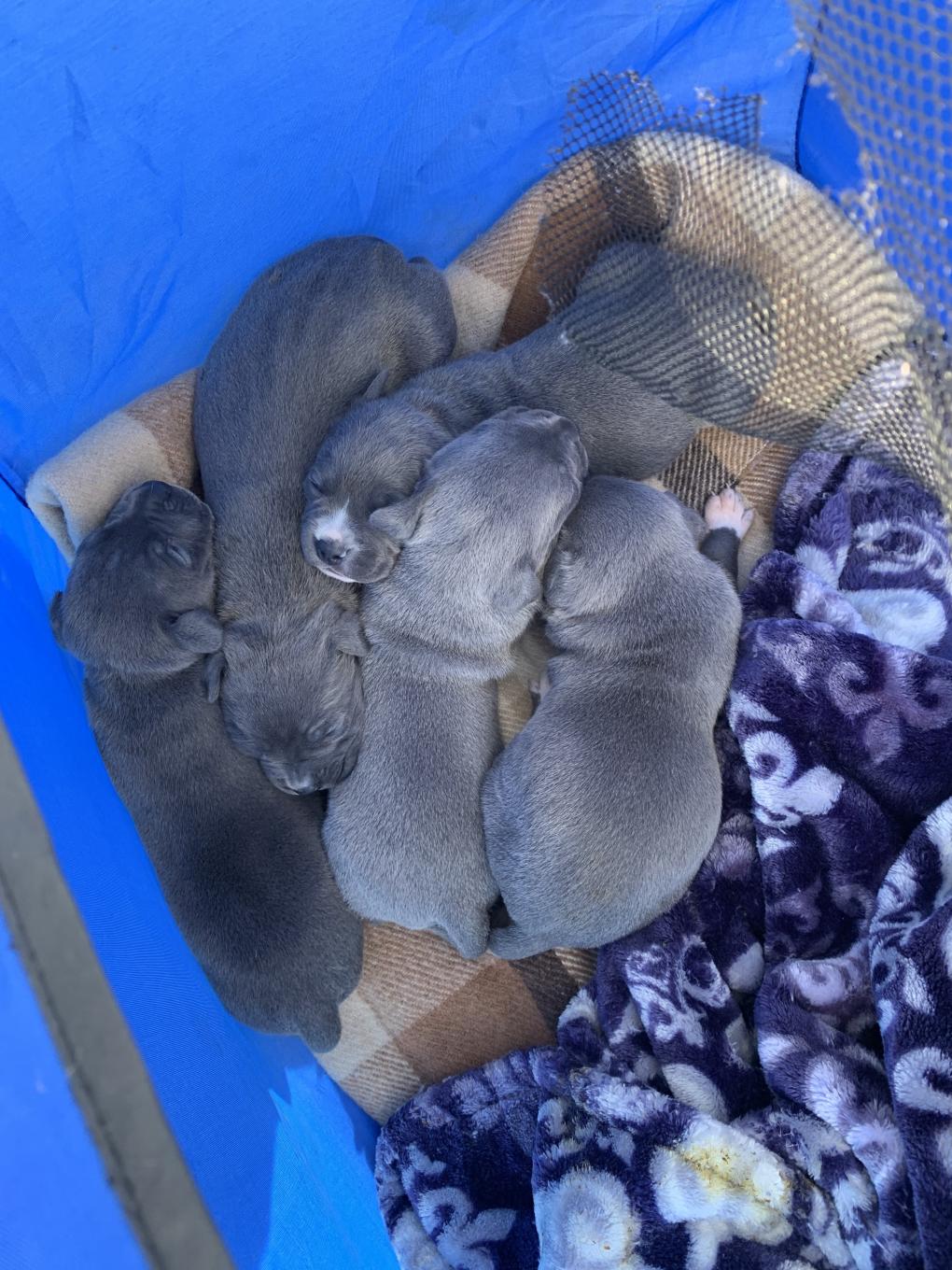
BART PD’s proactive enforcement efforts to combat vehicle crimes at Coliseum Station resulted in an arrest and the rescue of several young puppies who were found in a stolen vehicle. BART PD officers working as part of our Strategic Response Team in collaboration with the Alameda County Regional Auto Theft Task Force Tuesday afternoon spotted a vehicle that was reported stolen out of Fremont being driven through the Coliseum Station parking lot. Officers attempted to make a stop, but the suspect fled in the vehicle. During a short pursuit a dog fled from the stolen vehicle through an open window. Eventually 28-year-old Courtney Taylor of Oakland stopped the vehicle and was taken into custody. Multiple puppies were found in the vehicle and have been turned over to Oakland Animal Control. A search was conducted and the dog who fled from the vehicle was not located. Taylor was arrested in connection with eight felony and misdemeanor charges and has been booked into Santa Rita Jail.
Entrance closure alert: Civic Center Station Market and 7th Street entrance temporarily closed 4/29 for canopy work
On Monday, April 29, 2024 the Civic Center entrance at Market and 7th streets (on the north side of Market Street) will be closed for up to eight months for the construction of a new canopy.
While this entrance is closed, patrons will still be able to use one of the other entrances to the station. Entrances open during construction include one directly across Market Street at 7th Street as well as Market and Leavenworth streets.
Over the next 4-5 years BART will construct 16 canopies on Market Street over downtown station entrances. As part of a separate project, new escalators will be installed at each of these locations following the canopy construction. In addition to protecting new escalators the canopies will improve safety and reduce station maintenance costs.
We thank you for your patience as we work to complete this important construction project. For more information on this project visit: bart.gov/about/planning/sfentrances.