
Search Results
BART's Mark Nagales honored his grandmother’s memory with one final trip on a legacy train
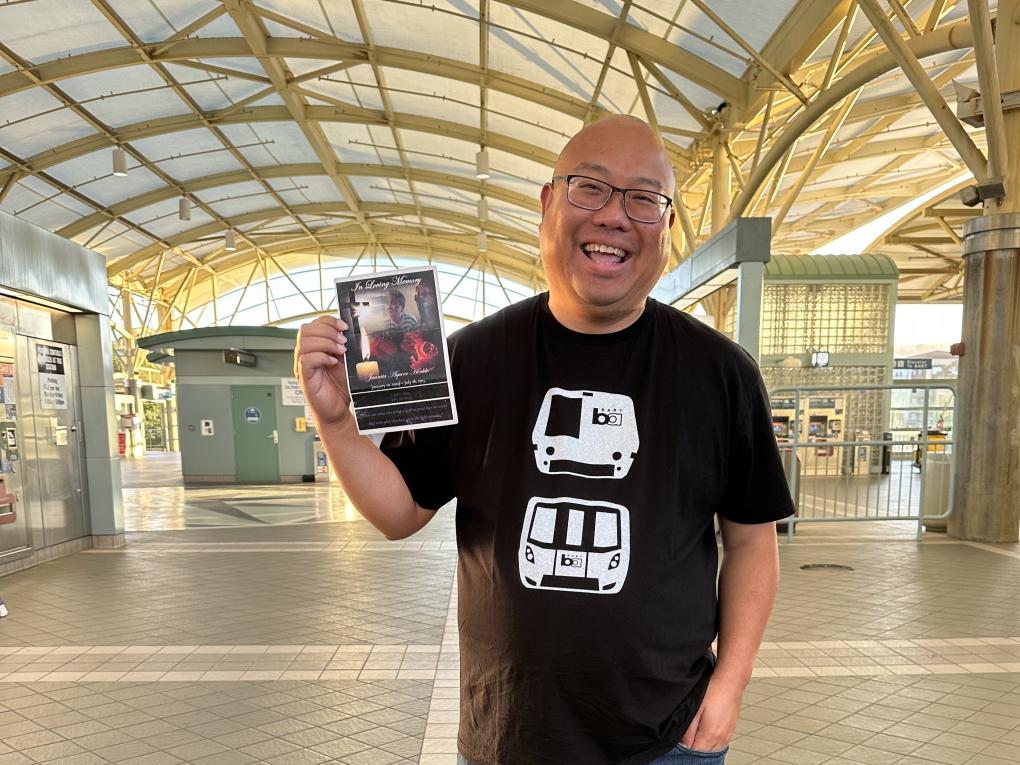
Mark Nagales is pictured at Millbrae Station with the program from his grandmother's 2015 memorial service.
Mark Nagales’s earliest childhood memory is riding a BART train with his grandmother. He can recall the colors most of all – the blue seats, golden carpet, all the ads and people and scenery streaming by the giant windows.
“Growing up, everything in my house was white, so it stuck out to me how vibrant the BART trains were. I’ll never forget the colors of those legacy trains,” said Mark, who joined BART in 2023 as a Senior Government and Community Relations Representative.
Every weekend for years, preschooler Mark and his grandmother, Juanita, would take BART from their home in South San Francisco in search of adventure. Often that meant simply riding the Yellow Line an hour or so from South San Francisco Station to Concord.
“We didn’t have a lot of money, so going to Concord to see relatives was like a vacation,” Mark said. “I didn’t get out of the sphere of South San Francisco often, so looking out the windows on BART, I was wide-eyed. I’d never seen so many places before. It was like traveling to a new world.”
On BART days, Mark remembers waking up early with his grandma and going to McDonald’s for a 20-piece McNuggets meal – a quick snack before they walked to the station and caught a train. Grandma Juanita didn't like driving outside of her small neighborhood, “but she always felt comfortable on BART,” Mark said.
Onboard, Mark stayed glued to the windows, his hands and nose leaving tiny streaks on the glass. He admits that he sometimes had trouble sitting still onboard – there was just so much going on, so much to see! Grandma Juanita didn’t mind the high energy.
“She just loved that I was happy,” Mark said. “And she loved that I was with her.”
When Mark learned the last in-service legacy train would be taking its final ride on Sept. 10, 2023, (BART officially retired the legacy fleet at a celebration in April 2024), he knew he had to be on that train. And he knew he had to bring his grandmother, who passed away in 2015, with him.
So Mark gathered his wife and two children, and together, they rode the old BART train into San Francisco. During the ride, he held the program from his grandmother’s memorial service.
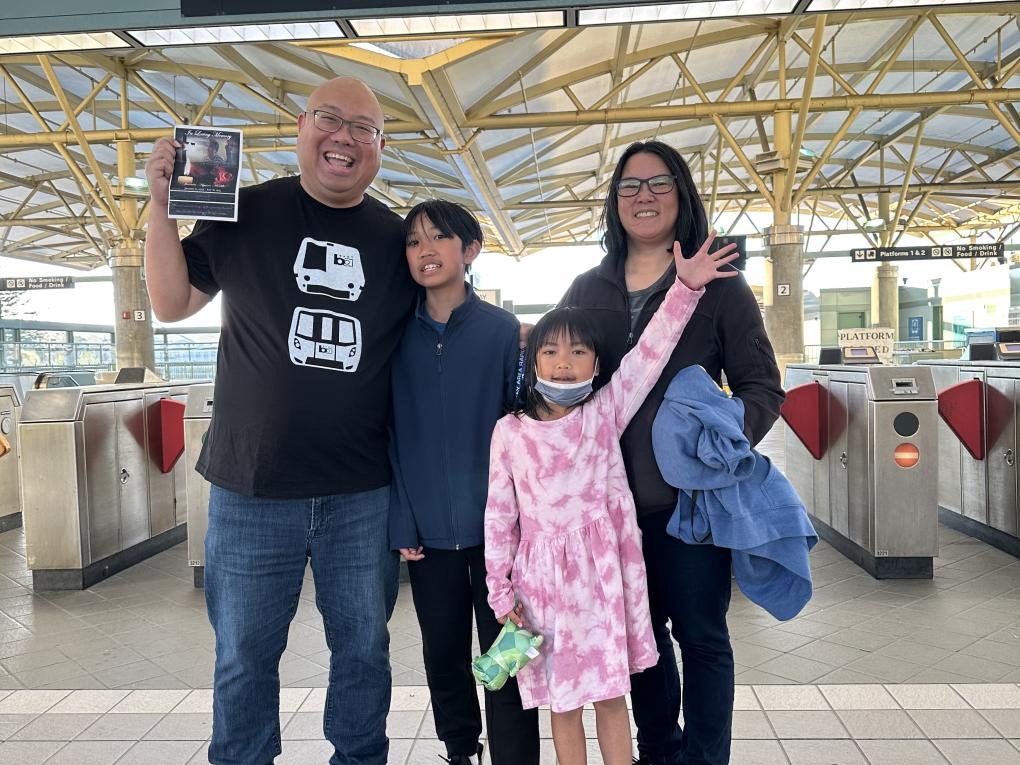
Mark Nagales and his family pose on the concourse at Millbrae Station.
“It was a full circle moment for me,” he said. “That ride was a way to say thank you to my grandmother and to honor her memory.”
That legacy train ride was something of a transit party with lots of people taking photos, shaking hands, and swapping their favorite BART memories tied to these old trains.
Mark expected the experience to be a bit emotionally challenging, but once the ride began, it was nothing but celebration and good cheer.
“I couldn’t stop smiling because I just kept thinking about my grandma and how proud she’d be if she could see me now. And the best part was that I was able to experience it with my own family.”
Mark immigrated from the Philippines to South San Francisco when he was one year old. Many of his earliest memories revolve around his grandmother, who took care of him when his parents were working multiple jobs at San Francisco International Airport. It was rare for Mark to have both his mom and dad home at the same time.
“The constant in my life was my grandma,” Mark said. “She taught me how to be loving, caring, and kind because that’s how she treated me.”
At one point, Grandma Juanita took a part-time job at the airport. She didn’t have to work, but wanted to in order to make sure her grandson could have everything he might need.
"We didn’t have much back then,” Mark explained. “But love was always abundant.”
Mark is the first person in his family to not to work at SFO. He nonetheless honors his family’s transportation lineage through his work at BART. When he received the official offer letter, Mark said all he could think about was being five years old, holding his grandmother’s hand on BART.
“To be able to work at the transit agency that opened the world to me...there are no words,” he said. “When I started working here, it felt like home. It made me think about all the things my grandma and family experienced and all the families who are currently experiencing the same things. I know BART is making a difference for them like it did for us.”
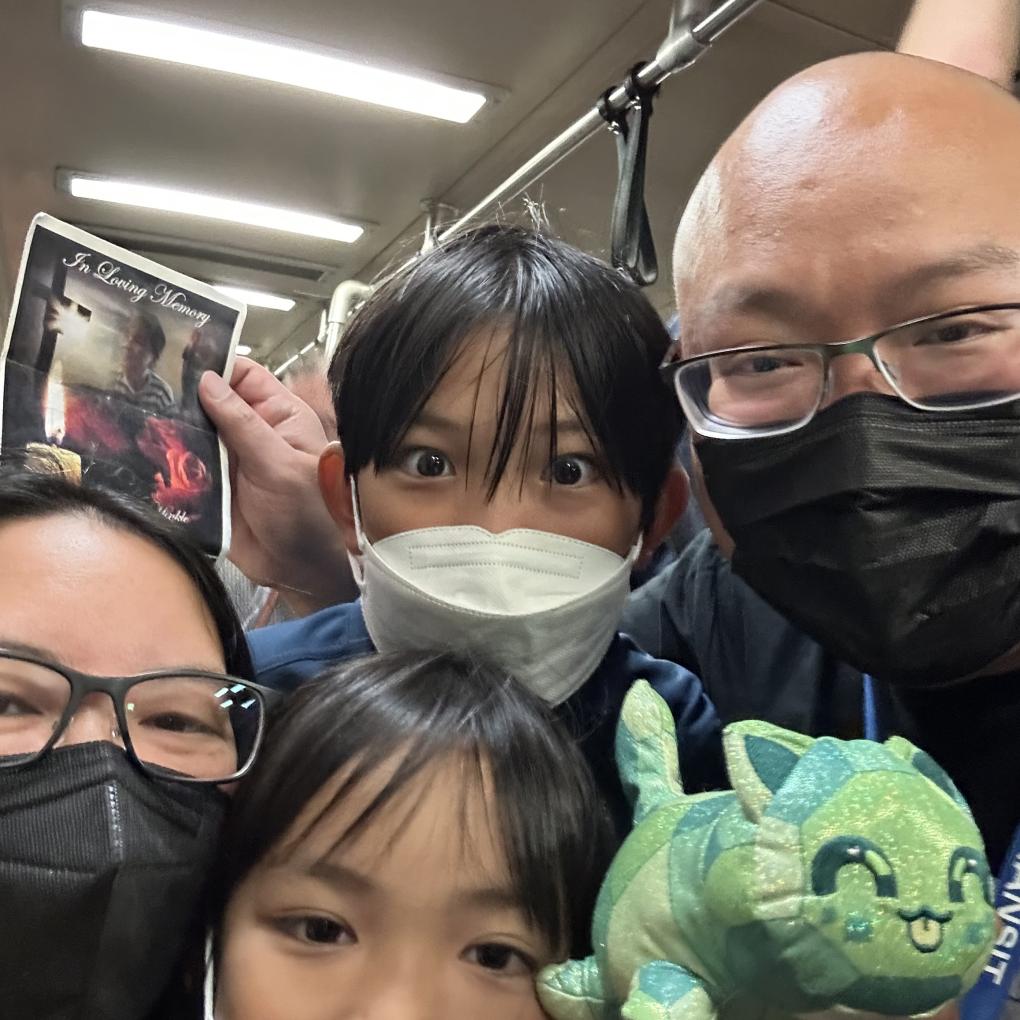
Mark Nagales and his family pose for a selfie on a legacy BART train.
Mark and his family still live in South San Francisco and even serves on the city council. His parents are just a few minutes down the road, and like Grandma Juanita, Mark’s mom loves to spend time with his eight-year-old daughter, Josephine, to take her around the Bay on BART.
Now that he has children of his own, Mark gets to experience the same feelings his grandmother experienced when she got to watch him play and learn and grow.
“When you’re a kid, you don’t realize how happy it makes your parents or grandparents see you experience joy,” he said. “When my kids get to be my age, they’ll look back like I’m doing now and realize how much these special moments meant to their dad.”
Mark’s final ride on the legacy train was one such special moment, and to share it with his beloved Grandma Juanita and his own family meant everything to him.
And it turns out the apple doesn’t fall far from the tree.
“On the train, my kids do exactly what I used to do -- putting their hands on the windows, playing around on the seats. I’m always like, ‘Don’t do that!’” Mark said. “You know, I bet my grandma once said the same thing to me.”
New interactive exhibit invites visitors to explore BART history at the Western Railway Museum
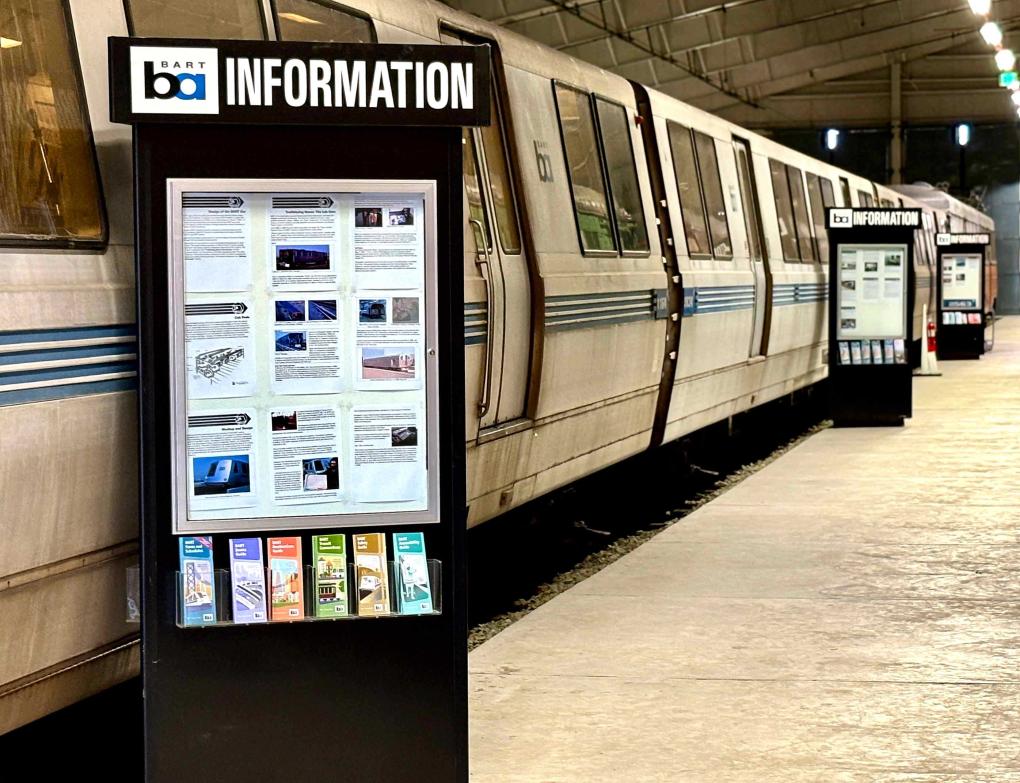
A new interactive exhibit at the Western Railway Museum lets visitors step aboard three legacy BART cars and explore the technology, design, and history of the system. The opening of the museum’s Rapid Transit History Center arrives during Transit Month and the week of BART’s 54th anniversary.
The exhibit is open to the public September 12 and 13, 9:30am to 5pm, at the Western Railway Museum in Suisun City. BART's merch store Railgoods will have a pop-up at the museum on September 12, from 11am to 3pm.
Purchase tickets here.
The Western Railway Museum is one of only a handful of places selected to receive legacy BART train cars following the decommissioning of the original fleet. It is the only organization to be awarded three retired cars: A Car 1164, B Car 1834, and C Car 329. Visitors can enter all three cars and explore displays, videos, and memorabilia. Included in admission is access to Western Railway Museum’s exhibits and historic rail car collection, train rides aboard Key System Bridge Unit 187, and the opportunity to take a commemorative photo in the nose of a legacy BART train.
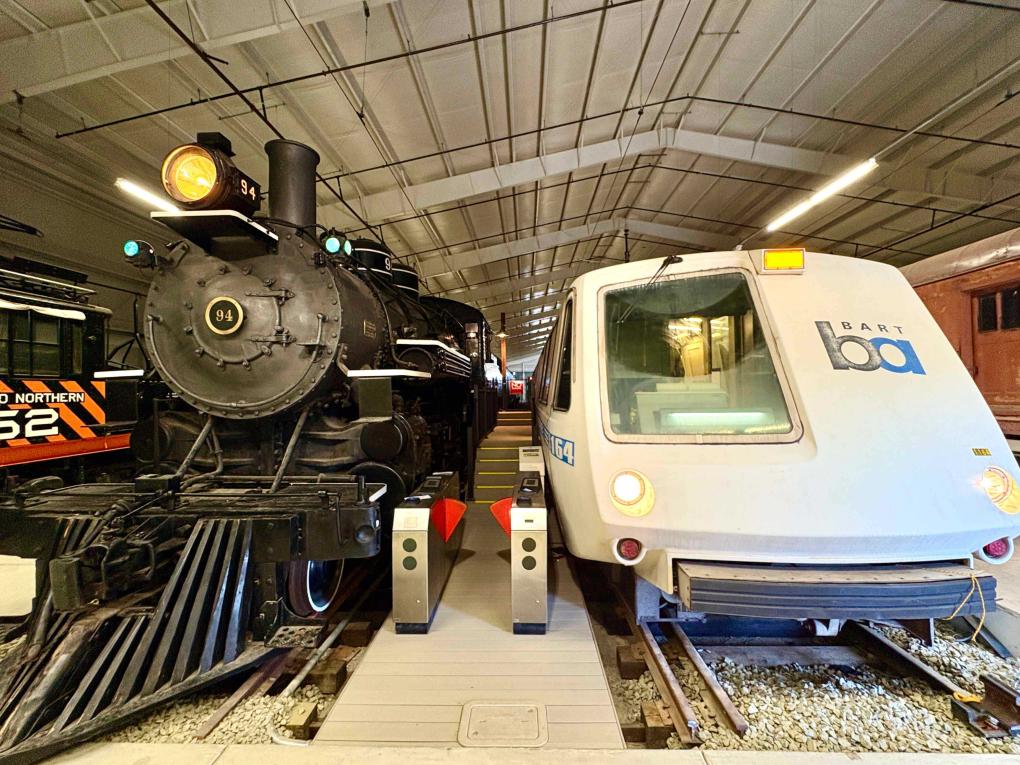
“This exhibit is a picture of the resurgence of rail transit and commuter rail in the 1970,” said Bob Simon, Western Railway Museum board member and retired BART employee. “BART was the start of that revolution.”
The Rapid Transit History Center was created in partnership with the Bay Area Electric Railroad Association, which operates the Western Railway Museum and preserves the history of electric rail transportation in the Bay Area.
Western Railway Museum preserves more than 50 historic rail cars and offers scenic train rides across its 22-acre site. Visitors can also enjoy exhibits, historic train rides, picnic grounds, a museum store, library archives, and the Depot Café.
Celebrate Transit Month
The exhibit opens during Transit Month, when communities across the Bay Area celebrate public transportation with events and activities throughout the region. Learn more here.
Art at BART: The stories of the new artworks at modernized 19th Street Station in Oakland
In January, BART celebrated the unveiling of a newly modernized 19th Street Station with a ribbon cutting and celebration hosted inside the gleaming Oakland destination. The station update is part of BART’s ongoing Station Modernization Program. Today, it looks and feels brighter, more expansive, and more
BART to run longer trains for Pokemon World Championships drone shows in San Francisco
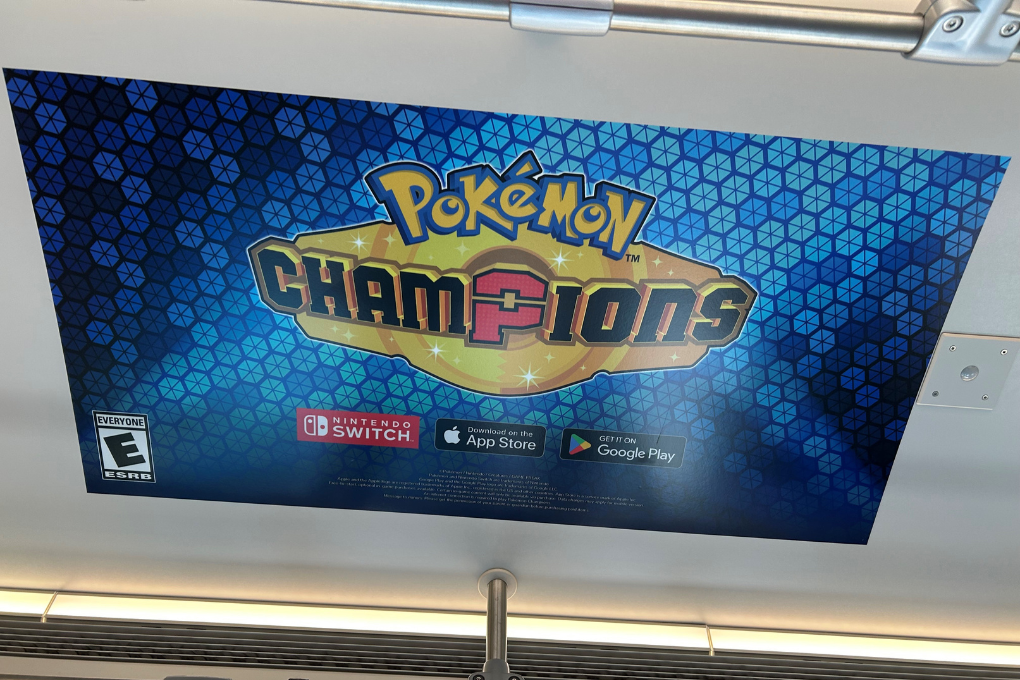
BART will extend the length of evening trains on multiple lines starting Friday, August 28, through Sunday, August 30, for the Pokemon World Championships, which will be at Moscone Center in San Francisco. The event will feature a nightly drone show that is expected to start around 9:35pm on Friday and 9:20pm on the weekend that will be flown near the Ferry Building on the Embarcadero along the San Francisco waterfront. The longer evening trains will ensure BART has plenty of room for additional riders before and after the shows.
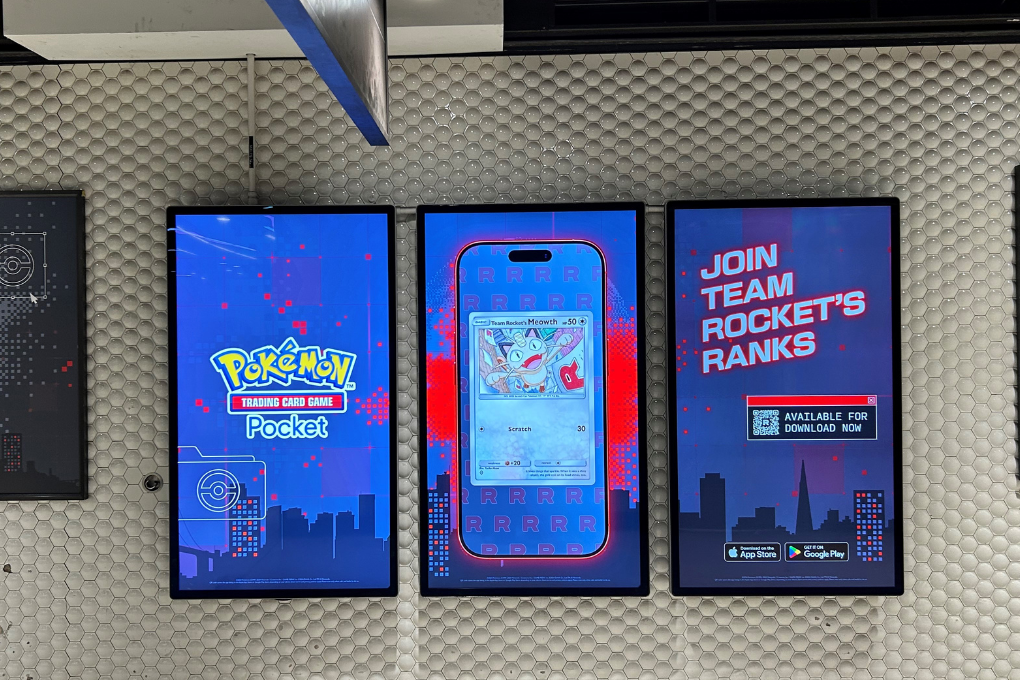
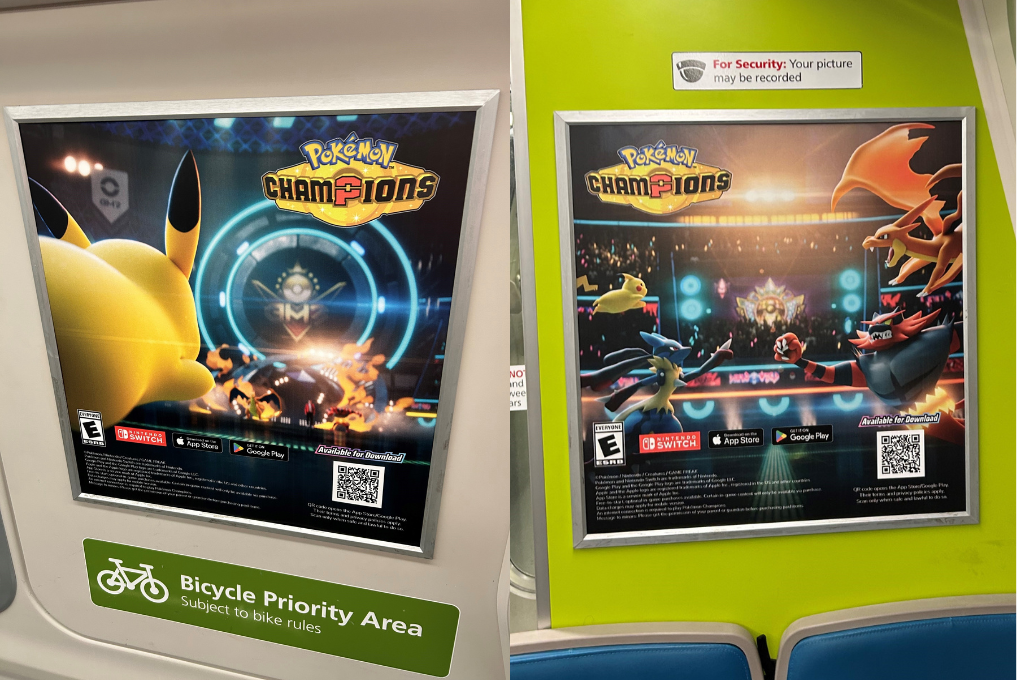
The Pokemon spirit will be evident on BART throughout the World Championships. Dozens of trains will be outfitted with posters and ceiling decals celebrating Pokemon. Powell Street Station, which is the closest BART station to Moscone Center, will be dominated by Pokemon ads. The Pokemon ad buy is part of BART’s ongoing effort to explore new and creative revenue opportunities as the agency faces a structural deficit starting in Fiscal Year 2027.
The weekend is expected to be a busy one for BART ridership in San Francisco as in addition to the Pokemon Championships, the Giants have home games against the Arizona Diamondbacks on Friday, August 28, and a doubleheader on Saturday, August 29.
Riders coming from San Jose and southern Alameda County who plan to travel north are encouraged to start their trip at Union City the weekend of August 28-29 to avoid delays from rail replacement work. The work requires us to replace our regular train service with free buses between Union City and Warm Springs/South Fremont stations all day Saturday and Sunday. You can learn more about the project and its service impacts here.
See some of the Pokemon ads
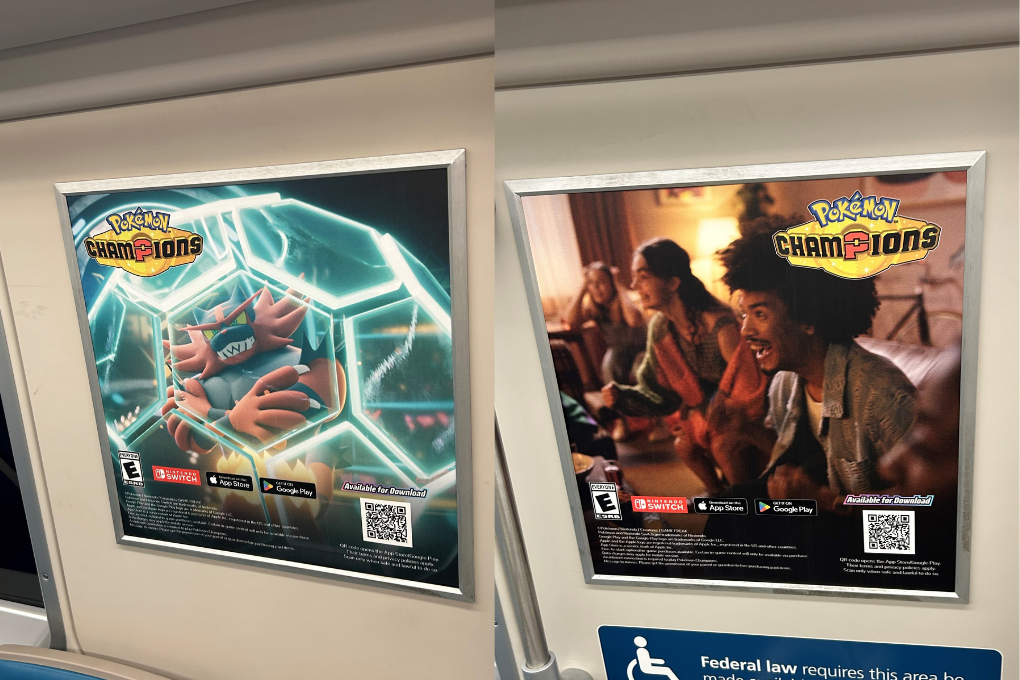
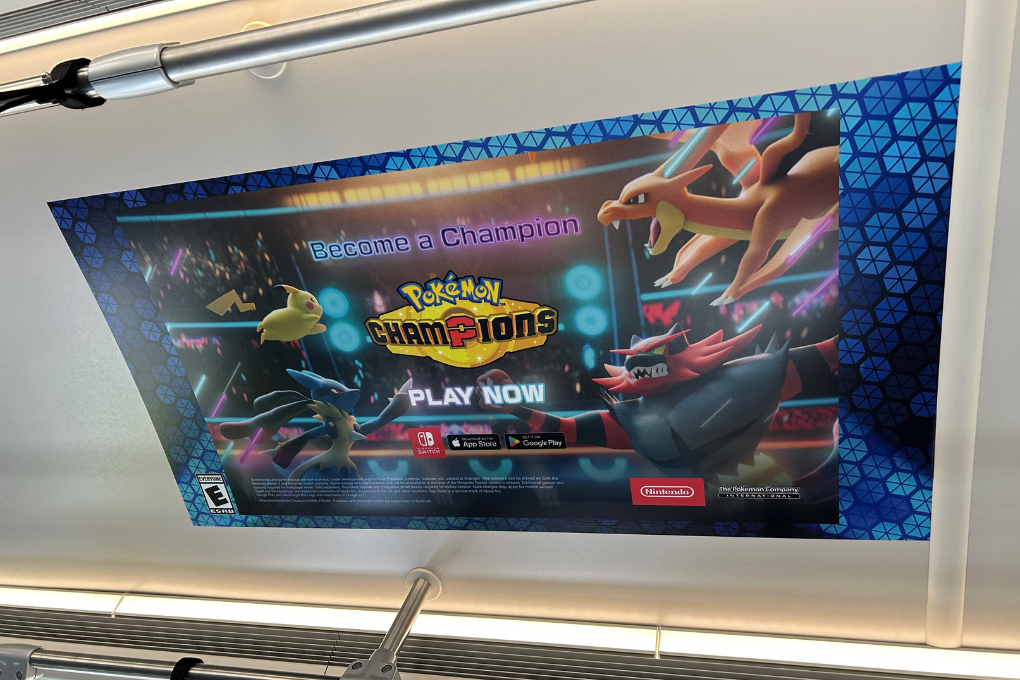
A legacy BART car prepared for its next act: A vacation rental in the Sierra foothills
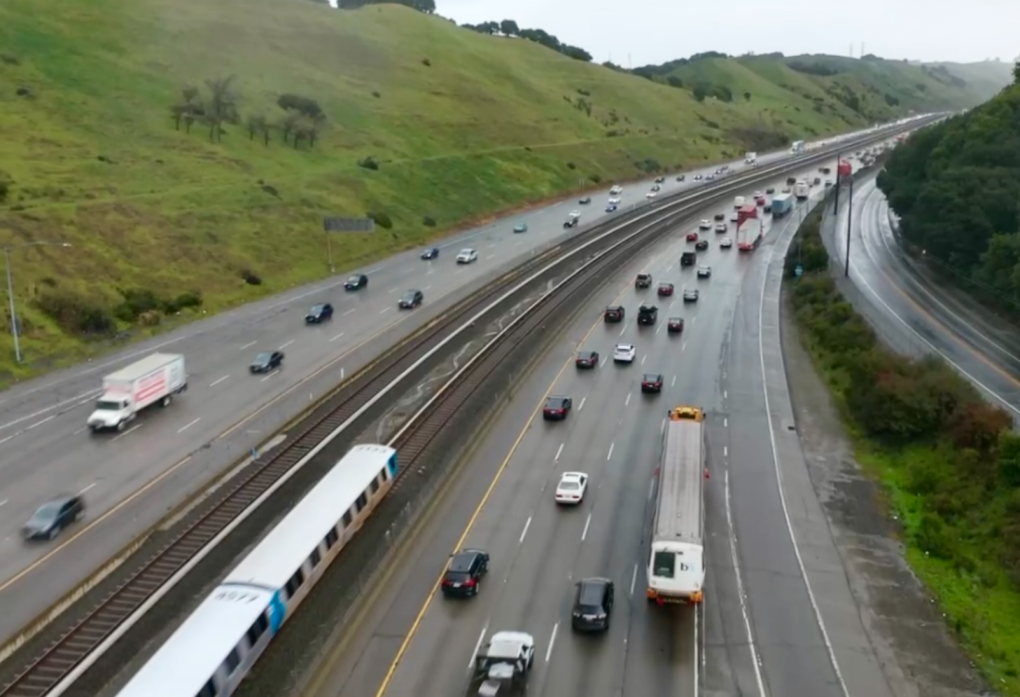
The legacy car is pictured on the back of a flatbed truck driving on the freeway beside a Fleet of the Future train running on the track.
There is now a BART car you can snooze in for hours without fear of missing your stop.
After a busy career shuttling millions of passengers around the Bay, this BART car has retired to the idyllic Sierra foothills, nestled among the streams where plucky prospectors once panned for gold. And soon, you’ll be able to rent it for a peaceful, transit-forward vacation.
Michael Lin is the mastermind of the Sierra Train House, a short-term rental featuring a decommissioned legacy BART car that will start taking reservations in 2026.
The project, which Lin describes as “a metaphoric train station that blends the space age, modern aesthetics of BART with a cozy cabin,” is now one big step closer to completion. In mid-March, the historic A car traveled more than one hundred miles on the back of a flatbed truck from BART’s Hayward Yard to its new home in Jamestown, an old gold mining town outside of Sonora. The BART car’s journey to Jamestown was not a short ride in both miles and time. Lin first responded to BART’s call for proposals to repurpose legacy cars back in 2021. Twenty individuals and organizations submitted proposals, and Lin was one of eight selected to receive a car.
The remaining legacy cars, which served the Bay Area for more than fifty years, were retired in 2024, then dismantled and recycled. BART is unable to keep a heritage train on property due to limited funds, storage space, and equipment needs, but is supporting the Western Railway Museum in its efforts to create a Rapid Transit History Center. The museum received its first of three legacy BART cars in August 2024.
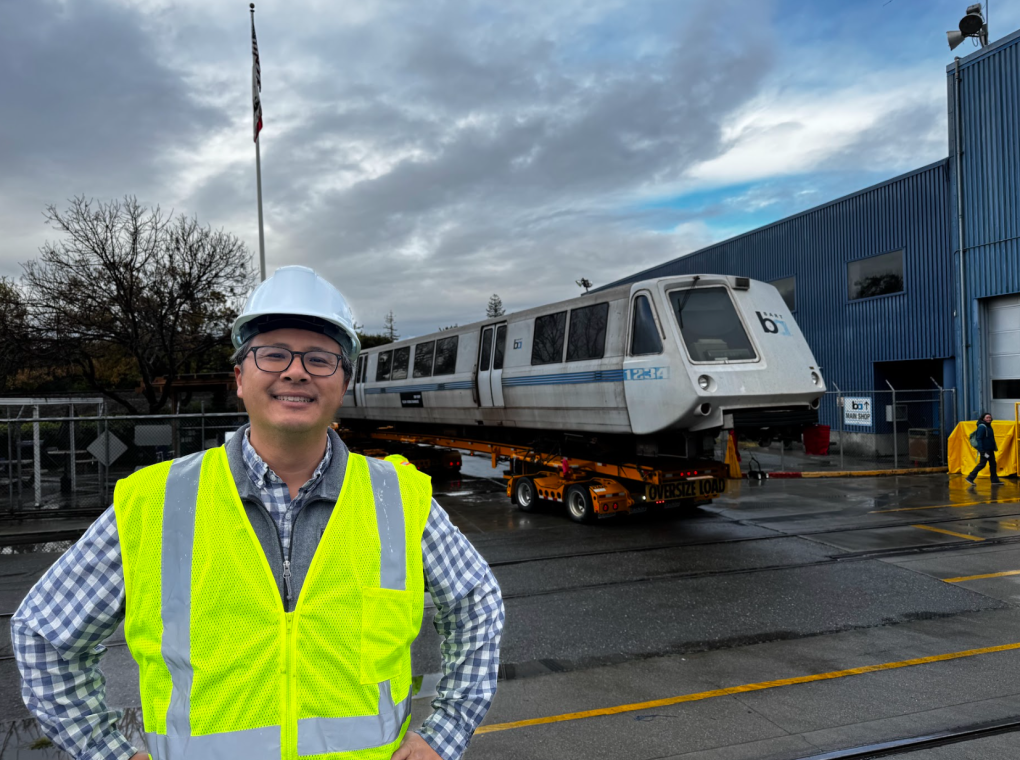
Michael Lin smiles in front of his legacy car at Hayward Yard on transport day.
Once his proposal was accepted, Lin started searching for suitable homes for the car. Jamestown had the qualities he was looking for: access to outdoor activities, reservoirs, great hiking, and history. Old mining towns abound in these foothills. Though the gold is mostly gone, you still have a chance to strike it rich – a casino was recently constructed two miles down the road from Lin's property. Yosemite National Park is about 45 minutes by car.
The Sierra Train House property backs up to railway tracks still traversed by 19th-century steam trains that carry tourists from the depot at Railtown 1897 State Historic Park. “The Movie Railroad” has appeared in more than 200 films, tv shows, and commercials, beginning with the 1919 silent serial The Red Glove. The park that houses the railroad is home to an authentic roundhouse with an operating turntable, functional blacksmithing area, and a belt-driven machine shop.
“It felt right to be near a rail town,” said Lin.
After he purchased the property, the permitting process began, followed by some significant sprucing up of the land.
Before the car could be delivered, Lin said the property needed a lot of tree work, and the driveway required repaving so a flatbed could drive down it. Next, foundation was laid for the car and the tiny home that will connect to it. Lin laid a couple of 39-foot-long train tracks purchased from a railway supply company onto the concrete, which the train car now rests upon.
The less-than-1,000-square-foot tiny home has two bedrooms and one-and-a-half baths. The BART car itself will have a fine balance of “retaining its integrity but making it more intelligible,” Lin said.
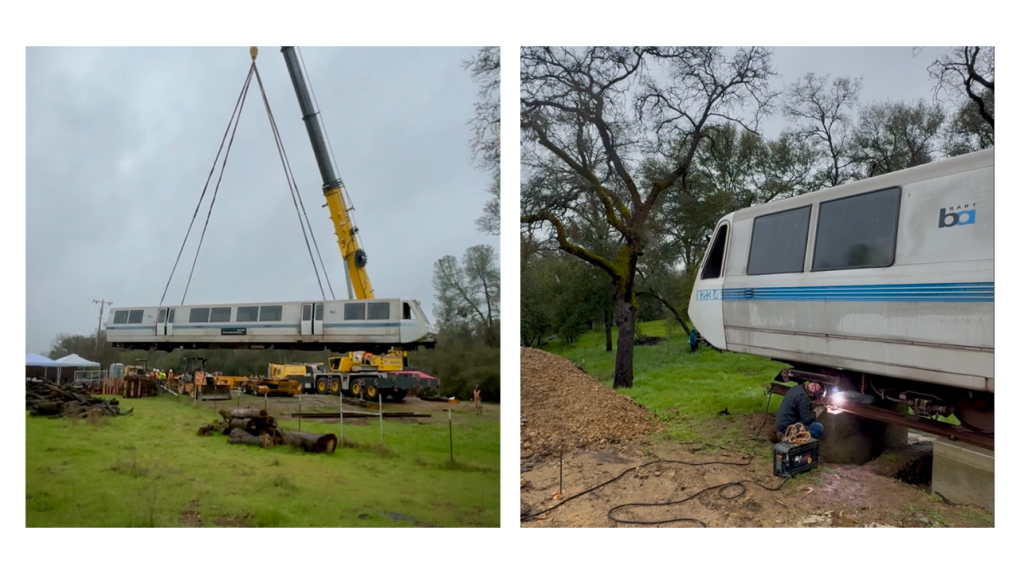
Left: A crane lowers the legacy car onto the tracks at Lin's Jamestown property. Right: The car is soldered to the tracks.
When you enter the car from the back door, a small bedroom will be to your right. The middle of the car will include a bathroom and a room with bunkbeds. Then the front third will be an open space for hanging out, complete with a coffee table arcade game. A few days before the car delivery, Lin bought a Pong-themed table from a guy on Craigslist. Incidentally, Pong came out in 1972, the same year BART opened.
The car’s cab will remain more or less intact. Lin wants to rig it so people can push the control panel buttons and hear BART sounds, like the horn and station announcements – “The doors are closing. Stand clear of the doors.”
All told, the property will accommodate eight people comfortably. Lin pictures this the sort of place you stay with a group of friends or families, which will also help keep the cost down. This is a unique rental, Lin stressed, and it will be pricier than a run-off-the-mill accommodation, though he wants to make sure it’s still accessibly priced. He’s not sure exactly how much he’ll charge for a stay.
But it will be worth the price, Lin said. H has even more plans for the property, including activities like a bocce ball court and foot bridges constructed from rail.
A financial advisor by day, Lin studied architecture as an undergrad at UC Berkeley and is a serious tinkerer, especially with Lego. Residents will see some of Lin’s Lego art inside the Sierra Train House.
The Sierra Train House is the definition of a labor of love, and Lin intends to build the property so that it lasts for a hundred years and beyond, just like the Railtown nearby. History, he said, is not something he takes lightly.
“I have a sense of responsibility to preserve this train car,” Lin said. “It’s neat to save a train.”
Keep up with the progress of the Sierra Train House on Instagram and Facebook.
BART to run only new trains as the base schedule beginning September 11, 2023
BART will exclusively run Fleet of the Future trains for the base schedule as part of its reimagined schedule launch on September 11th. This change represents a big improvement in the rider experience as well as on-time performance. Without this change, BART would be running legacy cars in service well into 2024. Legacy trains may still be spotted here and there, but only as event trains or for contingencies.
The new trains are much more reliable than legacy trains, as evidenced by the most recent Quarterly Performance Report (QPR). The QPR for April through June, shows the Mean Time Between Service delays for the new cars are more than double the length for that of the legacy cars; in other words, the new trains operate for more than twice as long before service delays.
Using exclusively new trains for the base schedule is possible because BART is kicking off a new plan to size trains for safety and efficiency.
“Our new cars are cleaner, require less maintenance, have better quality surveillance cameras, and offer a better customer experience with automated next stop displays and announcements," said BART Chief Communications Officer Alicia Trost. “Feedback from our riders on the Fleet of the Future cars has been profusely positive so offering more new car rides is a great accomplishment in customer service.”
BART will hold a proper public retirement ceremony for the legacy fleet to mark their final run in service at a later date (likely in 2024).
Joint statement from BART PD and the Independent Police Auditor on the killing of George Floyd in Minneapolis
BART Police Chief Ed Alvarez and BART Independent Police Auditor Russell Bloom have issued the following joint statement: The BART Police Department and the Office of the Independent Police Auditor stand together in denouncing the killing of George Floyd while in police custody in Minneapolis. His death was
US Senator Alex Padilla and San Francisco Mayor London Breed tour BART’s Powell Street Station as Transit Ridership Rebounds
On April 12, 2022 U.S Senator Alex Padilla (D.-Calif.) and San Francisco Mayor London Breed joined leaders from BART and San Francisco Municipal Transportation Agency (SFMTA) at Powell Street Station to see firsthand the benefits of American Rescue Plan emergency funds and the potential for upcoming
I was one of the first female train operators at BART. This is my story.
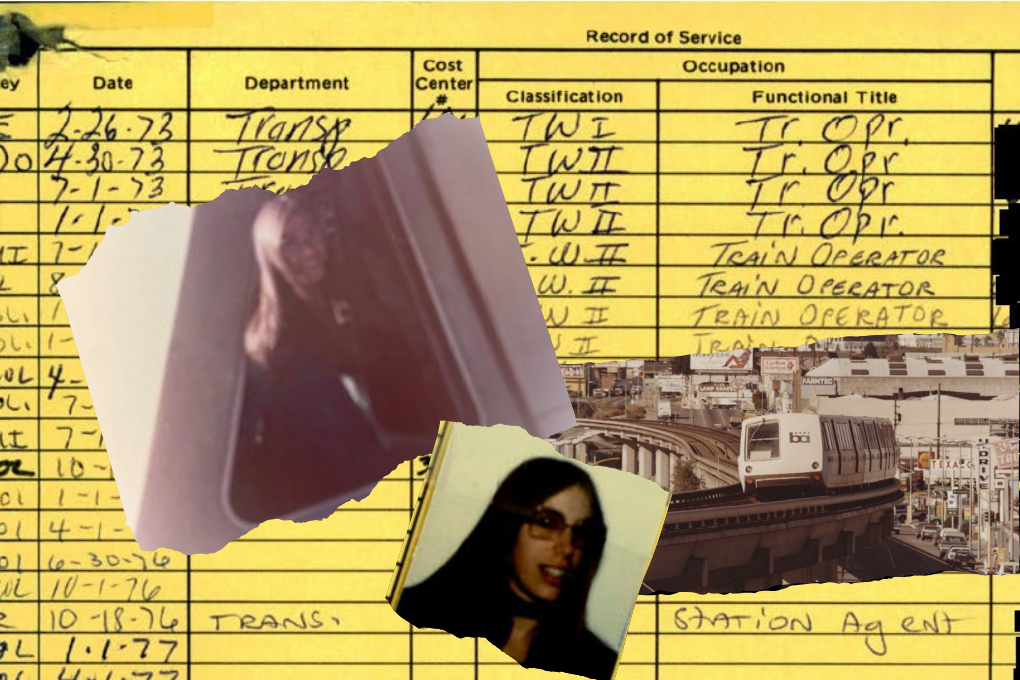
Susan Lynch's BART employee file from the 1970s, overlaid with a photo of her in a BART train cab (left) and the polaroid attached to the file (right).
A note from BART Communications:
Susan Lynch was one of just a handful of female train operators working at BART in 1973, one year after the system opened for service. After graduating from Mills College, Susan decided to apply for the role because “it sounded super sci-fi and a great job for someone who loved to travel."
Being a woman in the workforce in the 1970s was challenging everywhere, and in her years working at BART, Susan said she was no stranger to adversity because of her gender.
Susan said the experience instilled in her compassion “for all women working in non-traditional jobs.”
“Being a woman in the workforce is much more acceptable now than it was in 1972, but there’s certainly still a glass ceiling and discrimination in many workplaces, and I can empathize with all people facing that discrimination,” she said.
After years working in the film industry and administration, Susan, now retired and living in Venice Beach, said she’ll never forget her experiences as a BART train operator and later as a station agent.
Reflecting on the experience five decades later during Women's History Month, she said, “I am proud of myself for going after something I wanted, and I really believe that the future of our society is tied to the future of mass transit. I remember when I rode BART all the time what a feeling of freedom I felt – to be able to travel so far, in comfort and in style.”
Below, Susan shares some of her BART memories – the triumphs and the challenges – in her own words.
I was one of the first female train operators at BART. This is my story.
By Susan Lynch
I spent my junior year in college abroad in Stockholm, Sweden. The highlight of that six-month period, in addition to playing in a rock band (and learning how to smoke hash mixed with tobacco in a chillum pipe) was my growing fascination with trains. I lived in a suburb of Stockholm in a small studio apartment, which I rented for sixty dollars a month. I experienced the joys of commuting by Tunnelbana, or the subway. My twenty-minute excursion each way was mind-boggling because about half of the subway drivers were women! Who would have imagined that in 1970, women could be allowed to drive trains!
When I returned home, I finished my education at Mills College, then a women’s college, where I had learned that I had as much right to a meaningful job as a man did. I was floundering, working mindlessly as a waitress at the St. Francis Hotel in Downtown San Francisco.
Then I managed to join a film-acting workshop taught by a group of socialist filmmakers. They were part of a political collective called “Cine Manifest.” I was already politically sensitized – a card-carrying protester against the war in Vietnam and a bra-burning feminist. But after joining the group I was more determined not to stay in a dead-end, “ok-for-chicks” job. I totally embraced “workers of the world unite” and wanted to impress my sexy comrades.
I’d been reading about the new Bay Area Rapid Transit System that was building a railway in the Bay Area. I remembered how joyful I had felt in Sweden with the female subway drivers, so in 1973, I applied for a job as a train operator. Part of my desire to drive a train was my genuine love of trains and travel, but a much greater stimulus was to rebel against my parents and my upper middle-class upbringing. I wanted to smash my good girl mold and remake myself into Rosie the Riveter!
I submitted my application to be a train operator, and lo and behold, they offered me the position! Most of the classes before ours had been made up of former bus and train drivers – union members. Female train operators like myself were few and far between, and in 1973, I was one of the first women in the role.
The women train operators had a strong sense of comradery and offered each other support because we were combating hostility and harassment from our former teamster colleagues. Their point was we could do the job, but no way should we be paid the same. After all, we weren’t supporting families.
The physical requirements during our training were quite stringent. We needed very good upper body strength. Part of the training was to lie on the floor of the train car, hang out the open door over the edge, and push down on a t-mechanism to manually unlock all the doors in the car in case of emergency. It was touch and go, but we all passed and were full-fledged train operators.
During training, I walked under the San Francisco Bay through the Transbay Tube. The tunnel wasn’t yet completed, so we were shown how it was structured to be highly pliable during an earthquake. I must say, I had to overcome some trepidation and claustrophobia going down there, but once there I felt very safe. I was relieved that I’d be safer during an earthquake on a train in the tunnel than above ground.
After graduating from training, and because I was the lowest on the seniority ladder, one of my few options was a night shift out of Hayward Station as a test driver. Since I still wanted to go to my film-acting workshop, I chose a shift where I worked from 8 p.m. ‘til 4 a.m. with Mondays and Tuesdays off.
I loved being a test driver in 1973, mainly because I was in control. We did reliability testing – driving the trains back and forth for hours on end, making sure that they wouldn’t fail. I would work with the engineers who were designing the cars, which allowed me to use my brain and my problem-solving abilities.
My car at the time was a Citroen DS19 and driving home at 4am on the empty freeway was exhilarating. One night there was a car tailing me. This often happened – a weirdo would notice that an attractive young woman was driving alone in the middle of the night and tail me. I was trying to avoid this guy, driving eighty, when the cherry lit up and the cop pulled me over. When I showed him my ID, I also pulled out my BART ID. I told him I’d been driving trains at eighty miles per hour all night, and it was a challenge to slow down. He asked me for the number of the HR department so his daughter could apply for a job driving trains, tipped his hat, and let me go. I had clearly chosen the right profession.
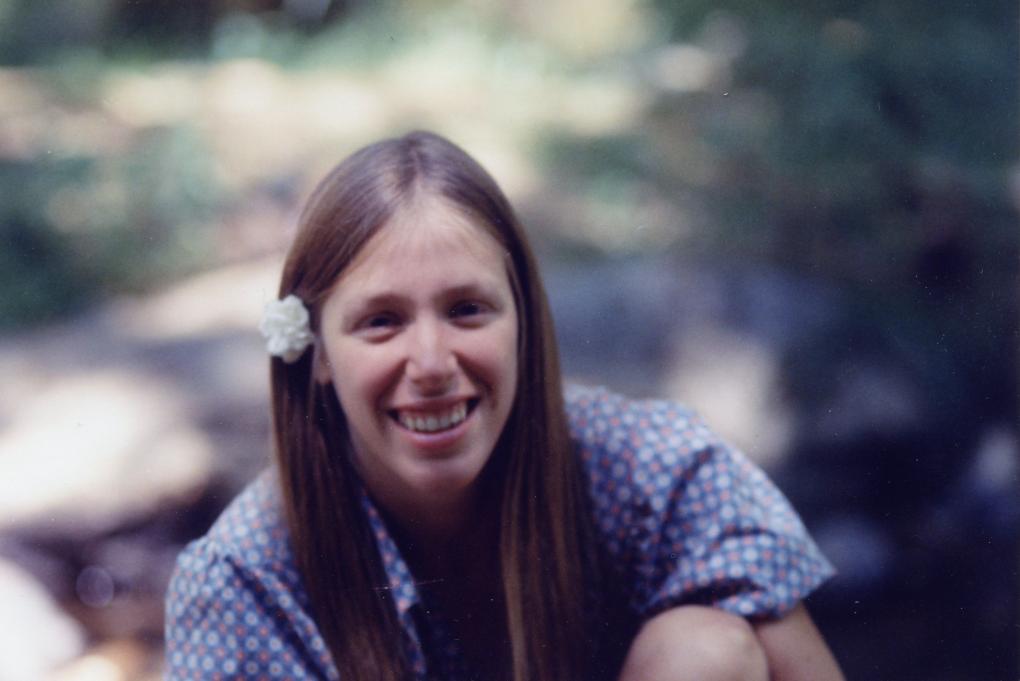
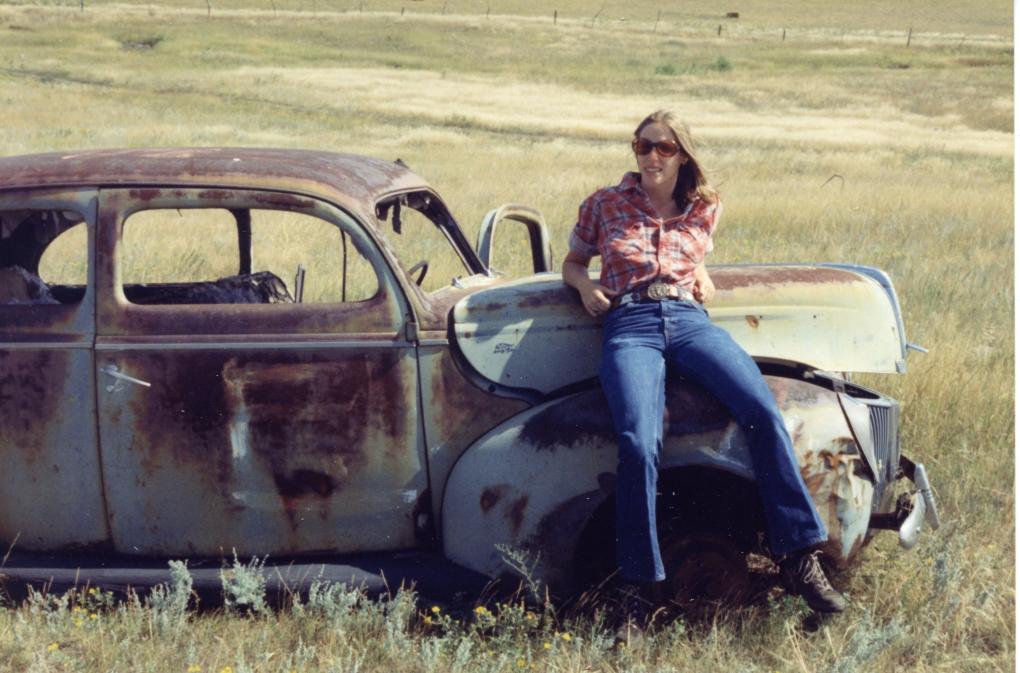
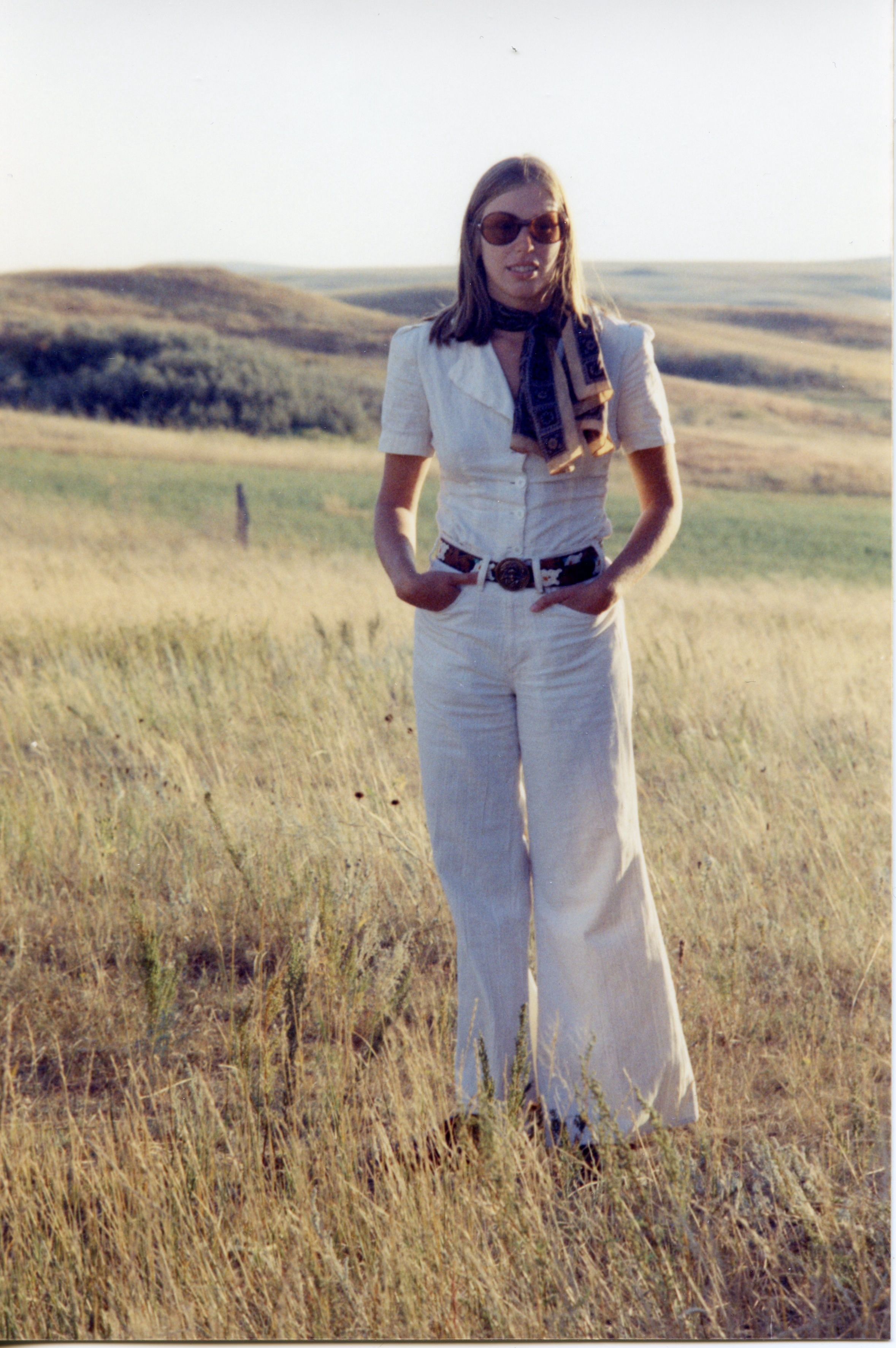
Susan Lynch pictured in the 1970s.
My male coworkers’ response to me was very hostile. Because of this, I felt I had to be just like one of the guys, so my personality took a dramatic shift, and I came to work in a flannel shirt, distressed jeans, army boots, and a leather bomber jacket. My mouth became so filthy that every other word was “f---- s---.”
It wasn’t me, but at least it kept the boys from coming onto me. I felt intimidated when they verbally attacked me, and my newfound bravado made me feel safer.
As my seniority increased, I got a day shift and starting work at 7am. Often, as I leaned out of the window in the station watching that the doors didn’t squash anyone, a man would come up to me and say, “Sure a little lady like you can handle a big train like this?” It was aggravating and mind-numbing.
After a few years in the job, I decided it was time to hang up my train operator hat. My great experiment in being a foul-mouthed worker had failed, but the failure allowed time to drive to research the film I wrote and starred in, Northern Lights. But that’s another story.
After my star turn, I realized I missed the excitement of BART – the hustle and bustle of the stations, the trains that whooshed through the tube at 80 miles per hour, and most of all, my feminist comrades. So, in 1976, I decided to apply gain – this time for the role of station agent, most of whom were women back then. It was my final farewell to my days as “one of the guys.”
In the end, my time at BART helped me find my true calling. I learned that I’m very strong and determined, and that I can handle adversity with resilience and, most importantly, a sense of humor.
My message to women still fighting for equal treatment in the workplace is this: It’s hard, but certainly worth fighting for. Many of us were pioneers that helped the road run a bit smoother for future generations. And I want women today to know that the feeling of pride and self-determination that will come out of the endeavor will be worth everything.
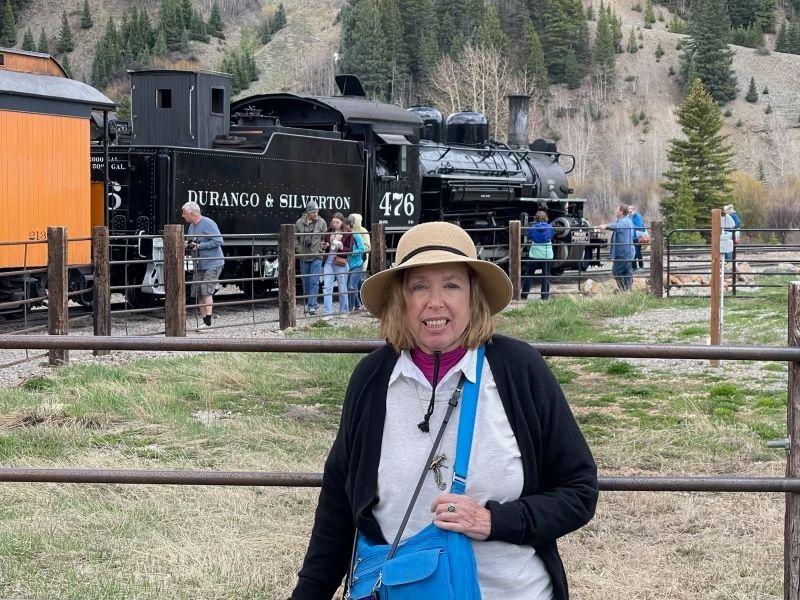
A recent picture of Susan Lynch with the D&SNG No. 476 steam locomotive.