
Search Results
Get involved in the Safe Trips to BART project
BART wants to make getting to and from its stations safer and more accessible and we want your input. We're launching Safe Trips to BART, a systemwide action plan to improve roadway safety. It builds upon existing or ongoing planning work led by local and regional agency partners and complements ongoing efforts led by BART, such as the Safe Routes to BART grant program, other station access studies and projects, and the Transbay Corridor Core Capacity Program.
The goal of Safe Trips to BART is to identify investments that could reduce or eliminate traffic deaths and severe injuries, such as transportation infrastructure improvements on roadways in and around BART station areas and BART service improvements that encourage more people to take transit instead of driving.
While Safe Trips to BART is a system-wide action plan for roadways, the project will identify some Focus Station Areas for individualized action plans and tailored infrastructure improvements. The final plan will enable BART, cities, and counties to apply for funding to implement recommended improvements at Focus Station Areas, other stations, and for the BART system at large. The development of this plan is funded by the US Department of Transportation’s Safe Streets for All program.
Get Involved: Provide comments on the action plan, sign up for project email updates and learn more about Safe Trips to BART by visiting www.bart.gov/safetrips
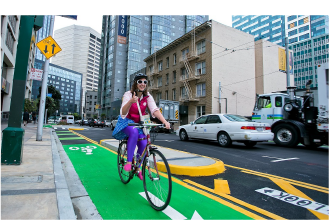
Second state-of-the-art rail grinder combats noise on BART trains
Now on BART TV: New rail grinder We've heard from some of you about the noise that you hear while riding BART. Now there's some good news in the battle against noise: BART now has two state-of-the-art rail grinders. "For years BART lived with one rail grinder," said Michael Brown, BART engineer. "It was
Monday ridership 7th-highest ever; BART seeks to keep new riders
Now that BART has met the challenge of carrying unprecedented numbers of passengers during the emergency closure of the Bay Bridge, the agency’s next challenge is to keep as many of the new passengers as possible. On Monday, BART carried 393,200 passengers but with the Bay Bridge now reopened, some commuters
BART is increasing police presence and cleaning in response to customers’ concerns
BART will increase police patrols on trains and in stations, increase the frequency of deep cleaning of train cars and add more “scrub crew” cleaning at stations this spring. Increased Police Presence BART Police is more than doubling the presence of sworn officers in trains beginning March 20 to address
Revisit some of our favorite BART stories from 2024
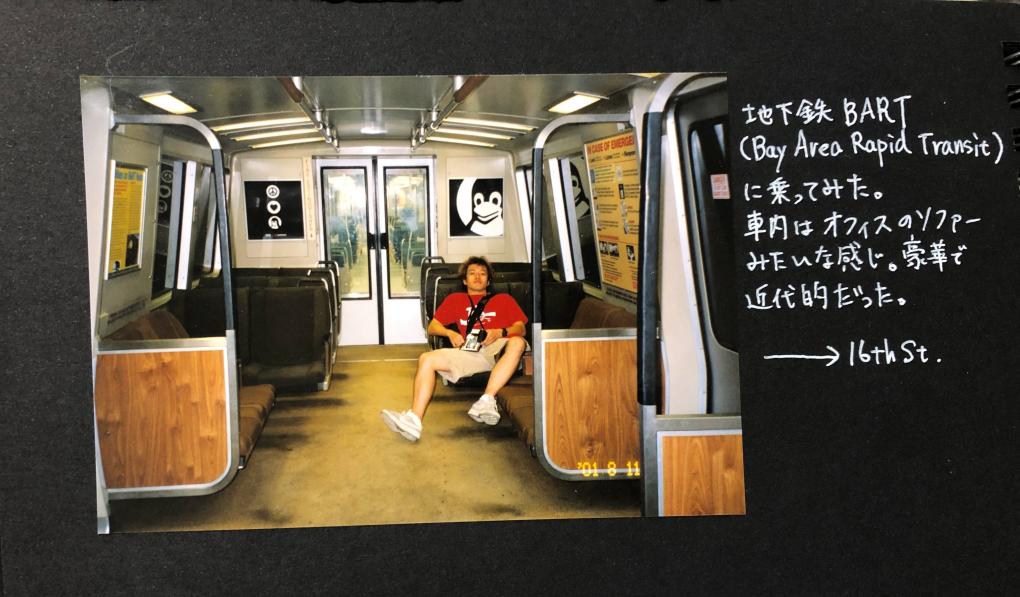
There are a million stories on BART. In 2024 we talked to riders, artists, train operators, transit fans, and more about what BART means to them. We celebrated the Transbay Tube and the Fleet of the Future.
Here are some of our favorites stories from 2024:
Bay Area history reclaimed: The story of 95-year-old artist Janet Bennett and her longstanding tile artworks at 16th and 24th St. stations

Janet Bennett’s tile murals have come to define the character of BART's Mission District stations, and yet, in the fifty-plus years since the tiles were placed, her contribution has gone unattributed...This past Women’s History Month, BART was honored to bring forward the story of the artworks as well as that of the wonderful midcentury artist who made them.
The mother of all Train Operators: BART's Mama Linda on the miles she’s traveled, the meals she’s shared, and the ancestors who shaped her
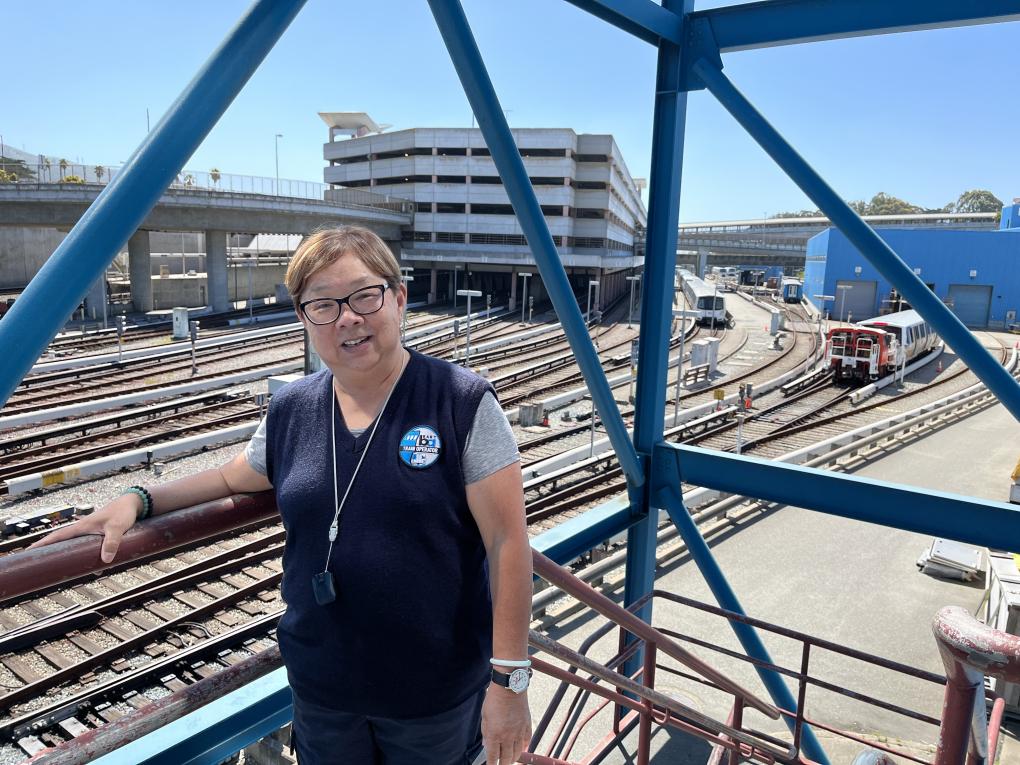
After 33 years as a Train Operator, Linda Yee-Sugaya, better known as Mama Linda, has seen a lot. She’s watched the old trains become the new; stations built and BART lines lengthen; and thousands of faces stream past the windows of her train.
An artist creates fantastical pop culture scenes with BART as her canvas and riders as her subjects

"Some people read, some people work, some people apply makeup,” says Joanna Sokua of riding BART. “I draw.”
Since 2017, Sokua has been creating what she calls “BARToons” during her morning and evening commute. You might say she is a seasoned BARTist. In the past seven years, she has drawn more than 170 BART illustrations. While on the train, she snaps photos of scenes and passengers that spark an idea, and when she gets home, she’ll sketch them out or, most often, superimpose pop culture figures onto the images using a digital pen.
The biggest BART fan in Japan flew to the Bay for a day to ride a legacy train one last time
On Friday, April 19, at 3pm, Atsushi Goto’s plane touched down at San Francisco International Airport. He hastily collected his carry on, went through customs, and dashed toward the SFO BART station. A train was waiting for him on the platform.
The 24 hours that followed his touchdown were a whirlwind of a trains, buses, cable cars, and one big party for a bunch of old trains at MacArthur Station – BART’s retirement celebration for the legacy trains. On the night of Saturday, April 20, just over a day after arriving, Atsushi was on a plane again, headed back home to Japan. Atsushi is an automobile designer, and on Monday, he had work.
BART Connects: This rider uses their BART System Map tattoo to give directions
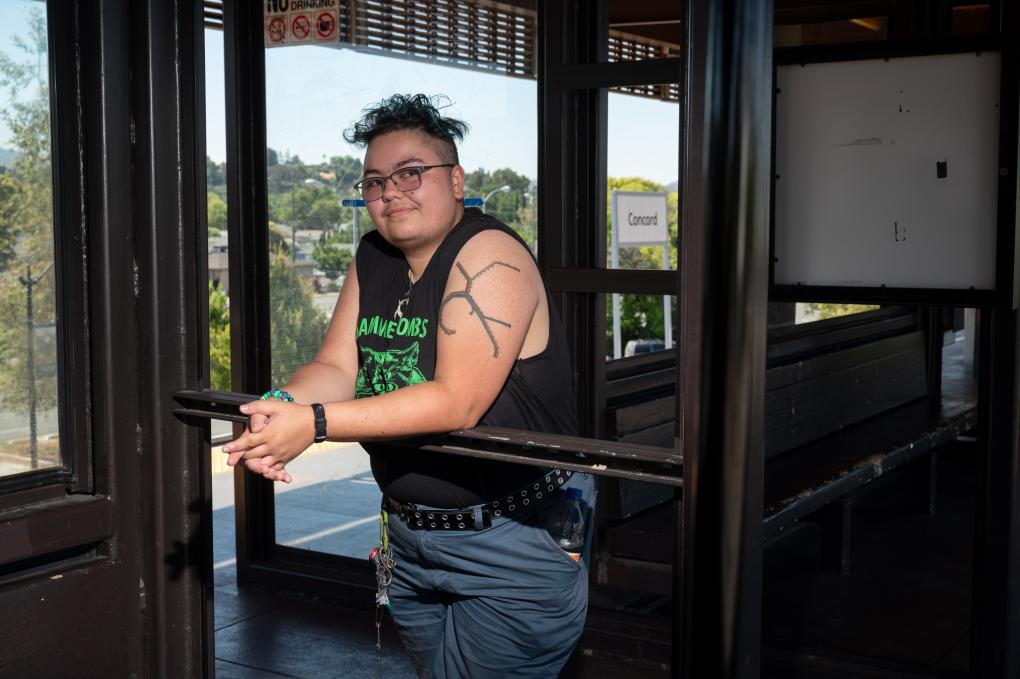
When Sam Johnson sees someone lost in a BART station, they roll up their sleeve and show them a bicep.
Etched five layers deep into the epidermis of Sam’s left arm is a tattoo of the BART System Map. It’s Sam’s first and only tattoo, and in a pinch, it comes in handy.
“I’ve helped a bunch of people figure out where to go,” Sam said. “I point to my arm and say, ‘We’re here in Concord, you’re going to transfer to this station, then ride along here, and get off at this station.’”
It’s a practical tattoo but also a piece of art, an homage to the Bay, a love letter to transit. And let’s be honest, said Sam, “It looks good on me.”
Podcast: The future is now; the journey of the Fleet of the Future from blueprint to backbone of BART’s daily service
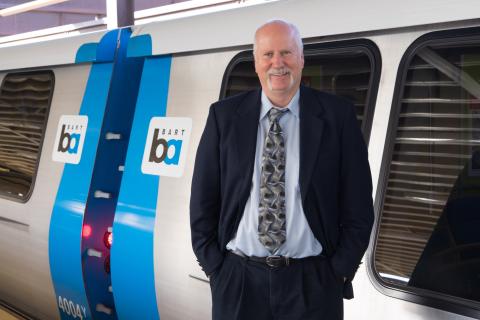
BART’s base train schedule now consists of all new Fleet of the Future trains, a major milestone for a project that’s been more than a decade in the making. Project Manager John Garnham reveals how fast the new cars speed along BART’s test track, explains why the process of building the outer shell is a bit like using a classic DIY toy and other insider nuggets on our podcast, “Hidden Tracks: Stories From BART.”
The Transbay Tube turns 50: Inside the groundbreaking history and future of the Bay's underwater crossing
On the Transbay Tube’s 50th anniversary, BART honored this one-of-a-kind structure that has ferried millions of passengers across the Bay for five decades and will continue to do so for decades to come. In the above video, we invite you to look inside the engineering opus for yourself.
BART Connects: BART showed Steve and Vanessa that "there is life out there"
July 26, 2024, marked the 34th anniversary of the Americans with Disabilities Act (ADA), which was signed into law on July 26, 1990. The ADA protects the rights of those with disabilities and is recognized as a watershed milestone for civil rights in the U.S.
More than 7% of BART riders have a disability (as self-reported in a 2022 survey), including Steven Howell and Vanessa Castro. Steven and Vanessa use BART to get just about everywhere. Says Steven: "[BART] showed me there is life out there."
Hear more from the couple in the above video.
Here's your chance to be the A's BART Rider of the Game
A's mascot Stomper rides BART Sure, you’re an A’s fan, but do you have what it takes to be the A's BART Rider of the Game? Every month BART will be hosting a contest to pick the A's Fan of the Game. One winner will receive: Two MVP tickets to a selected A's game A $50 BART ticket Early field access to batting
October 17: BART participates in Great California ShakeOut 2024
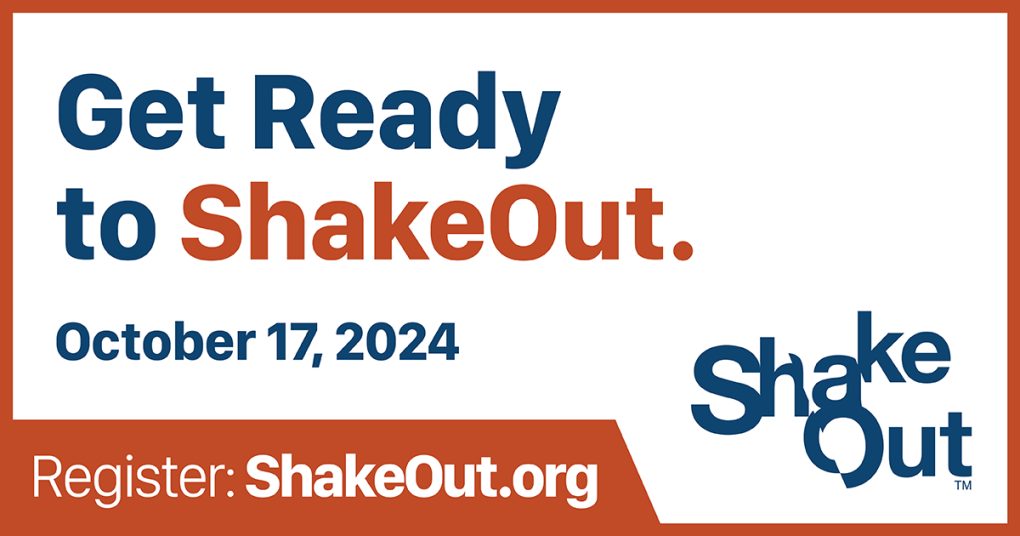
BART will participate in the 2024 International ShakeOut Day earthquake drill on Thursday, October 17, to test our emergency response systems and to help raise public awareness of the importance of having a plan and being prepared.
At 10:17am, BART staff will trigger our ShakeAlert early warning earthquake system to ensure it is functioning and working correctly. Once triggered, trains will automatically slow down to 27 mph. Then all trains will come to a very brief stop. BART will also make a systemwide public announcement encouraging riders to be prepared for earthquakes. BART will also test our internal communications systems to notify employees and the Operations Control Center will observe earthquake alarms and our train control systems to ensure they are working properly.
ShakeAlert Early Warning Earthquake System
BART is an early adopter of the ShakeAlert system, which is connected to seismic stations located throughout Northern California. When the alarm is triggered, the system sends a speed restriction command to trains. This system removes human response time and can even slow trains down before the shaking occurs depending on how far away the quake is centered.
BART to Simulate Damage Inspections
BART has added simulated damage inspections to its ShakeAlert drill. Shortly after ShakeAlert is triggered Thursday, about 60 engineers will divide into teams and fan out to all 50 stations to conduct structural assessments. The engineers will inspect walkways, support structures, elevators, escalators – anything that could sustain damage in a powerful earthquake. The simulation is designed to identify areas for improvement and to exercise “muscle memory” for BART’s earthquake response.
Emergency Response Plan
BART has an Earthquake Emergency Response Plan, and we hold several drills a year to ensure staff is trained and ready to respond. In the event of an earthquake, riders should listen for instructions from BART personnel. Employees are trained to evacuate the public from dangerous areas. Following an earthquake, BART trains are held in place (except for trains in the Transbay Tube and BART Caldecott Tunnel) until it is determined it is safe to move the train to the nearest station where riders will be offboarded.
Earthquake Safety Tips
Where will you be and what will you do when the next big earthquake hits? Taking time to consider these questions now could help if you ever do find yourself in an earthquake.
LISTEN FOR INSTRUCTIONS
That’s one reason why the first guideline in a BART emergency is to follow instructions from BART personnel. The BART Operations Control Center is in constant communication with trains and Station Agents and is in the best position to manage emergencies and provide direction for the public.
ON A TRAIN
If you’re on a train during an earthquake, Train Operators will follow BART’s established emergency plan and provide you with important information. Sit down or grab a handhold to avoid injury. If an evacuation is necessary, emergency response personnel will coordinate.
IN A STATION
If you’re in a station during an earthquake, back away from the edge of the trackway. If you’re in the station concourse, don’t proceed to the platform. Instead, prepare to evacuate the station under the direction of BART personnel.
TRY TEXTING
No matter where you are, emergency experts recommend using text messaging instead of cell calls to communicate with family and loved ones in an emergency. Cell networks can be overwhelmed if everyone’s trying to call at the same time; text messages can be more efficient.
Earthquake Safety Program Completed in 2024
In September 2024, BART completed its Earthquake Safety Program, which retrofitted vulnerable high traffic portions of the original system to make it safer in a large quake. The Earthquake Safety Program was funded in part by Measure AA, a $980 million general obligation BART bond approved by voters in 2004. The program focused on upgrading portions of the original system not only for life safety but also to ensure that we can return to operation shortly after a major earthquake.
Visit Shakeout.org for simple safety steps during earthquakes.
October 16: BART to participate in Great ShakeOut 2025

BART will participate in the 2025 International ShakeOut Day earthquake drill on Thursday, October 16, to test our emergency response systems and to help raise public awareness of the importance of having a plan and being prepared.
At 10:16am, BART staff will trigger our ShakeAlert early warning earthquake system to ensure it is functioning and working correctly. Once triggered, trains will automatically slow down to 27mph. Then all trains will come to a very brief stop. BART will also make a systemwide public announcement encouraging riders to be prepared for earthquakes. BART will also test our internal communications systems to notify employees and the Operations Control Center will observe earthquake alarms and our train control systems to ensure they are working properly.
ShakeAlert Early Warning Earthquake System
BART is an early adopter of the ShakeAlert system, which is connected to seismic stations located throughout Northern California. When the alarm is triggered, the system sends a speed restriction command to trains. This system removes human response time and can even slow trains down before the shaking occurs depending on how far away the quake is centered.
BART to Simulate Damage Inspections
BART has added simulated damage inspections to its ShakeAlert drill. Shortly after ShakeAlert is triggered Thursday, about 60 engineers will divide into teams and fan out to all 50 stations to conduct structural assessments. The engineers will inspect walkways, support structures, elevators, escalators – anything that could sustain damage in a powerful earthquake. The simulation is designed to identify areas for improvement and to exercise “muscle memory” for BART’s earthquake response.
Emergency Response Plan
BART has an Earthquake Emergency Response Plan, and we hold several drills a year to ensure staff is trained and ready to respond. In the event of an earthquake, riders should listen for instructions from BART personnel. Employees are trained to evacuate the public from dangerous areas. Following an earthquake, BART trains are held in place (except for trains in the Transbay Tube and BART Caldecott Tunnel) until it is determined it is safe to move the train to the nearest station where riders will be offboarded.
Earthquake Safety Tips
Where will you be and what will you do when the next big earthquake hits? Taking time to consider these questions now could help if you ever do find yourself in an earthquake.
LISTEN FOR INSTRUCTIONS
That’s one reason why the first guideline in a BART emergency is to follow instructions from BART personnel. The BART Operations Control Center is in constant communication with trains and Station Agents and is in the best position to manage emergencies and provide direction for the public.
ON A TRAIN
If you’re on a train during an earthquake, Train Operators will follow BART’s established emergency plan and provide you with important information. Sit down or grab a handhold to avoid injury. If an evacuation is necessary, emergency response personnel will coordinate.
IN A STATION
If you’re in a station during an earthquake, back away from the edge of the trackway. If you’re in the station concourse, don’t proceed to the platform. Instead, prepare to evacuate the station under the direction of BART personnel.
TRY TEXTING
No matter where you are, emergency experts recommend using text messaging instead of cell calls to communicate with family and loved ones in an emergency. Cell networks can be overwhelmed if everyone’s trying to call at the same time; text messages can be more efficient.
Earthquake Safety Program Completed in 2024
In September 2024, BART completed its Earthquake Safety Program, which retrofitted vulnerable high traffic portions of the original system to make it safer in a large quake. The Earthquake Safety Program was funded in part by Measure AA, a $980 million general obligation BART bond approved by voters in 2004. The program focused on upgrading portions of the original system not only for life safety but also to ensure that we can return to operation shortly after a major earthquake.
Visit Shakeout.org for simple safety steps during earthquakes.
BART extending train lengths in response to increasing ridership
BART today started running longer trains on most of its lines in response to a recent surge in ridership. All trains on the Yellow Line, which extends from Antioch to SFO, will be extended from eight cars to nine. The Yellow Line is BART’s busiest.
BART is also extending some trains on the Red, Blue, and Green lines. Each line will now feature four eight-car trains in the AM and PM peak. The longer trains will expand capacity as more riders take BART. BART’s ridership in August increased by 10% compared with a year ago. BART’s strongest ridership days of 2025 have come this month including the highest daily total of the year when 219,918 riders took BART on September 10.
Ridership numbers are increasing as BART has delivered on a series of changes to improve safety, cleanliness, and the overall rider experience. Big wins for riders in 2025 include the earlier than promised installation of Next Generation Fare Gates at all 50 stations, a drop in BART’s overall crime rate, an increased visible safety presence, a boost in cleaning for trains and stations, customer on-time performance increasing to 94% for the latest quarter, and BART becoming the first transit system in the Bay Area to offer riders the convenience of Tap and Ride.
BART in the movies: From THX 1138 to Predator 2 to Will Smith
While the city of San Francisco is immortalized in countless films, from the car chase of Bullitt to the bay plunge of Vertigo, BART seems to have precious little screen time. We’ve scoured the internet and come up with just a handful of examples of BART in the movies. C’mon, all you BART buffs and film fans